


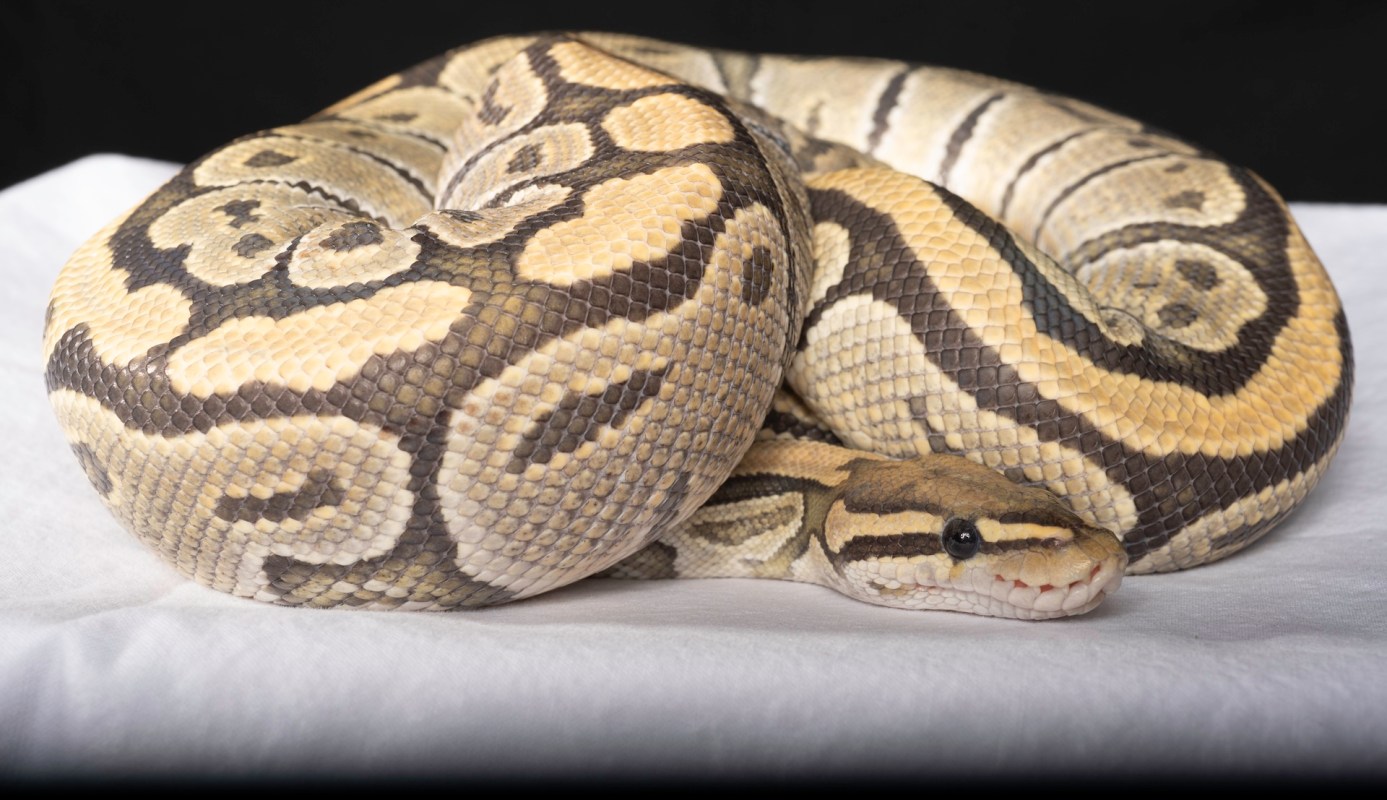
What began as an ordinary checkpoint at the Netherlands' Schiphol Airport turned into a wildlife-smuggling case when officers uncovered a live ball python concealed in a traveler's bra.
Dutch authorities said the reptile is a protected species and that it was confiscated before being taken to an expert shelter.
What happened?
According to a Facebook post from Dutch consumer-safety agency NVWA, officers at Schiphol stopped a Canadian woman during a security check and found the snake under her clothing as she prepared to fly. NVWA included an image of the python in its post.
She later told officers that she had found the python around her hotel in Amsterdam. The agency responded bluntly: "We highly doubt that."
The reptile was then confiscated, and inspectors submitted a police report naming the woman. As many protected species are subject to strict international and national rules, violating them can lead to confiscation, fines, or criminal penalties.
It is not immediately clear what consequences this woman will face for her actions. Yet it is clear that she will not be reunited with the snake.
TCD Picks » Quince Spotlight
💡These best-sellers from Quince deliver affordable, sustainable luxury for all




While it should go without saying, ball pythons cannot be carried onto airplanes like ordinary personal items and are instead internationally protected animals.
Why does it matter?
This case involved a single snake, but exotic animals are often moved in unsafe ways for personal possession or resale, with little regard for animal welfare or the damage this behavior can cause. Unfortunately, wild animals are still being treated as commodities in the poorly regulated (and often illegal) exotic pet trade.
Actions like wildlife smuggling also undermine conservation efforts meant to protect species from exploitation. And cases like this consume enforcement time and public resources, from airport screening staff to police officers to specialist shelters that must care for confiscated animals.
When protected animals are removed from proper oversight, it slows conservation progress.

Get TCD's free newsletters for easy tips, smart advice, and a chance to earn $5,000 toward home upgrades. To see more stories like this one, change your Google preferences here.







