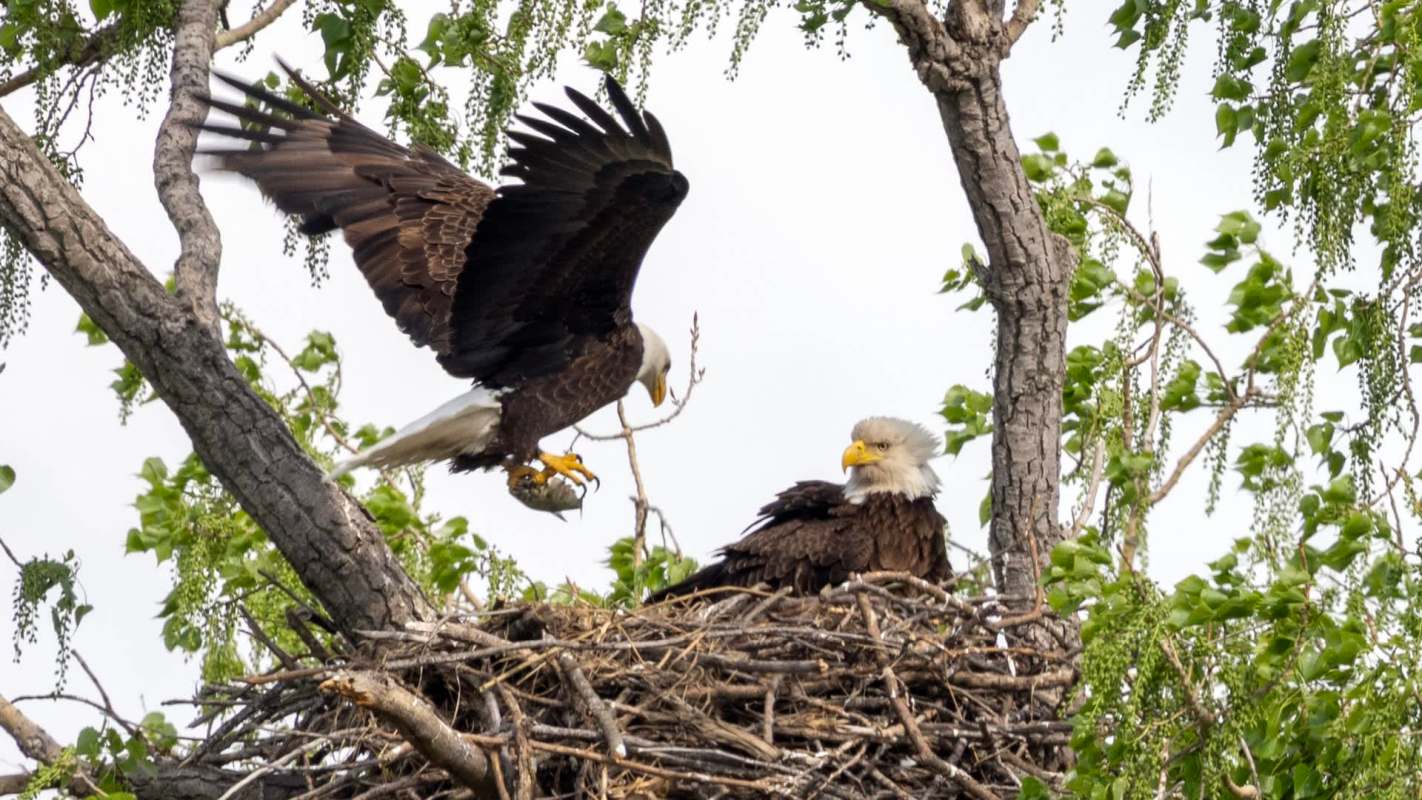
One Reddit post is reminding people that bald eagles can build on an almost unbelievable scale.
In Florida, a pair spent years adding to a nest until it reached 20 feet deep and weighed more than 4,400 pounds.
The species may be best known as a national symbol, but its building ability is just as striking.
The post highlights a Discover Wildlife post on the biggest bald eagle nest ever recorded, belonging to a pair in Florida.
At 9.5 feet across, 20 feet deep, and more than 2 tonnes, or 4,400 pounds, it is cited as evidence that the species "holds the record for building the largest nest of any bird."
Called aeries, these stick nests are usually placed high above water in tall trees or on cliffs. They can begin at more than 5 feet wide and about 3 feet high, then grow larger as the birds come back each breeding season to reinforce and expand them.
TCD Picks » Quince Spotlight
💡These best-sellers from Quince deliver affordable, sustainable luxury for all




After enough years of repairs and additions, one nest can become an enormous site that stays in use for a long time.
These structures are carefully assembled, not just loosely piled branches. Bald eagles fit together large sticks and soften the inner space with grass, moss, and feathers, creating an insulated area for eggs and chicks.
These intricately crafted nests are not common for every bird species. On Reddit, one user joked, "Meanwhile some pigeon places a lone twig on a windowsill and calls it a day."
Their size has a practical benefit as well. Large nests can help shield eaglets from predators and harsh weather, and when the same pair returns season after season, one successful site can serve as a refuge over many years.
Healthy wildlife depends on stable habitat, especially tall trees, cliffs, and waterways capable of supporting these massive structures for years or even decades. Protected nesting areas are important for species that rely on them.

Get TCD's free newsletters for easy tips, smart advice, and a chance to earn $5,000 toward home upgrades. To see more stories like this one, change your Google preferences here.