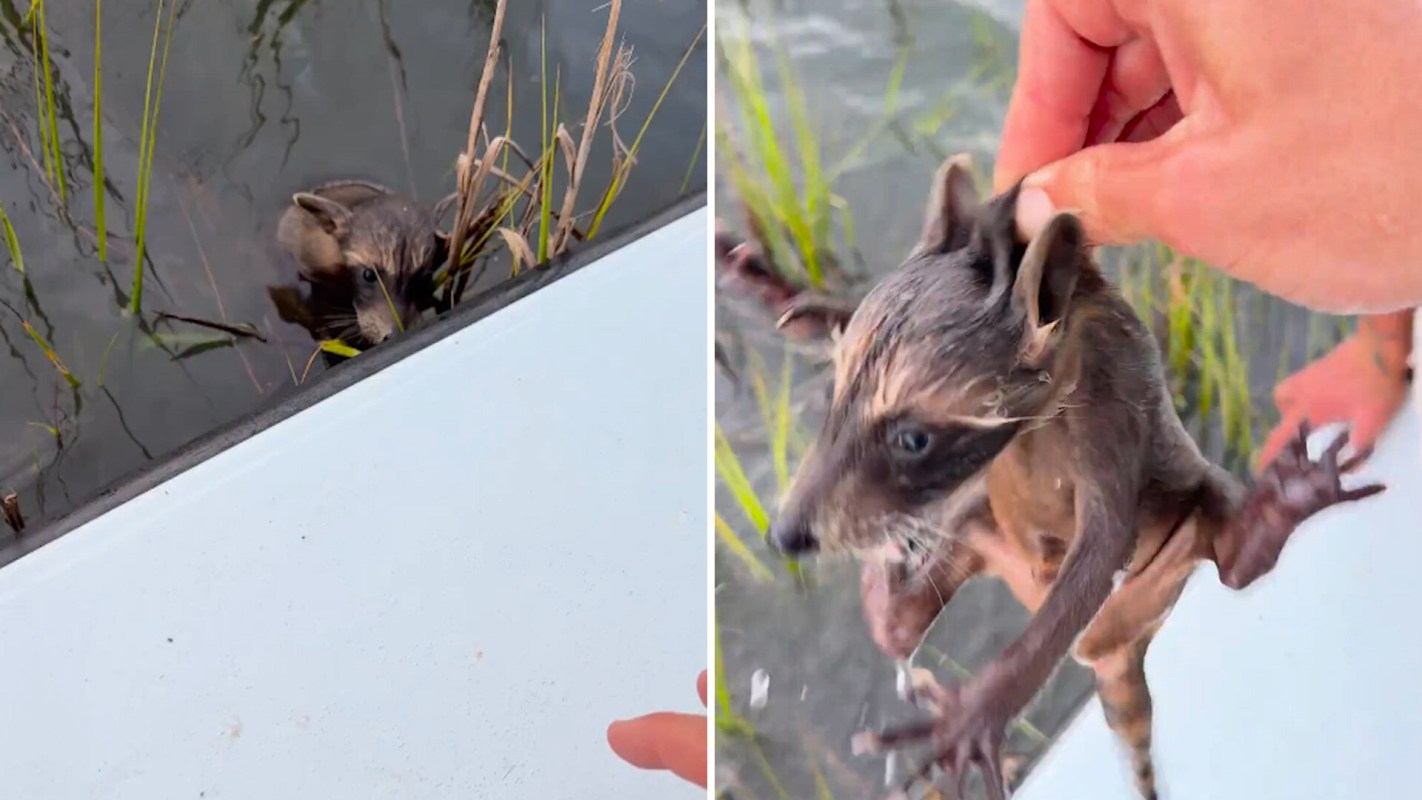
A baby raccoon stranded in high tide in South Carolina got a second chance after being pulled from the water and taken to a wildlife rehabilitation center.
But after the dramatic rescue, much of the internet focused on a different question: Should the rescuer be worried about rabies?
A Reddit user shared a video of the soaked raccoon kit in r/Raccoons under the title, "Found this little guy stranded in a high tide in SC."
In the caption, the poster said the animal "MIGHT have nicked the outside of my hand with his hind claw" while being picked up, though there was no blood and no visible scratch.
The rescuer said the baby was taken to a wildlife rehabilitation center, where staff kept it in quarantine, administered its shots, and began bottle-feeding.
After speaking with the vet, the poster added that the animal was growing "normally" and that the vet had "no suspicions of rabies."
TCD Picks » Good Store Spotlight
Get 10% off your next purchase with code TCD10




"It's been in captivity for 2 weeks today and has shown no signs of rabies," the original poster later confirmed. "He's a happy little fella!"
(Click here if the embedded video does not appear.)
Some readers said they wanted to keep the animal themselves, but wild animals are generally best left in the care of licensed rehabilitators who know how to treat them and prepare them for release.
While commenters offered opinions, any possible exposure to a wild animal is something to discuss with a doctor or local health department, not just the internet.
TCD Picks » Quince Spotlight
💡These best-sellers from Quince deliver affordable, sustainable luxury for all




In this case, the rescuer removed the animal from immediate danger, transferred it to a rehabilitation center, and followed up with a veterinarian.
That combination helped protect both the raccoon and the person who found it.
If you ever encounter an injured wild animal, the safest course of action is usually to contact a licensed wildlife rehabilitator as soon as possible.
If emergency handling is unavoidable, use gloves, a towel, or another barrier if available, and avoid direct contact with the animal's mouth and claws.
If you are bitten or scratched by a wild animal, even if it seems minor, wash the area and seek medical guidance promptly.
It is also wise to avoid trying to raise wild animals at home, even when they appear helpless.

Get TCD's free newsletters for easy tips, smart advice, and a chance to earn $5,000 toward home upgrades. To see more stories like this one, change your Google preferences here.