


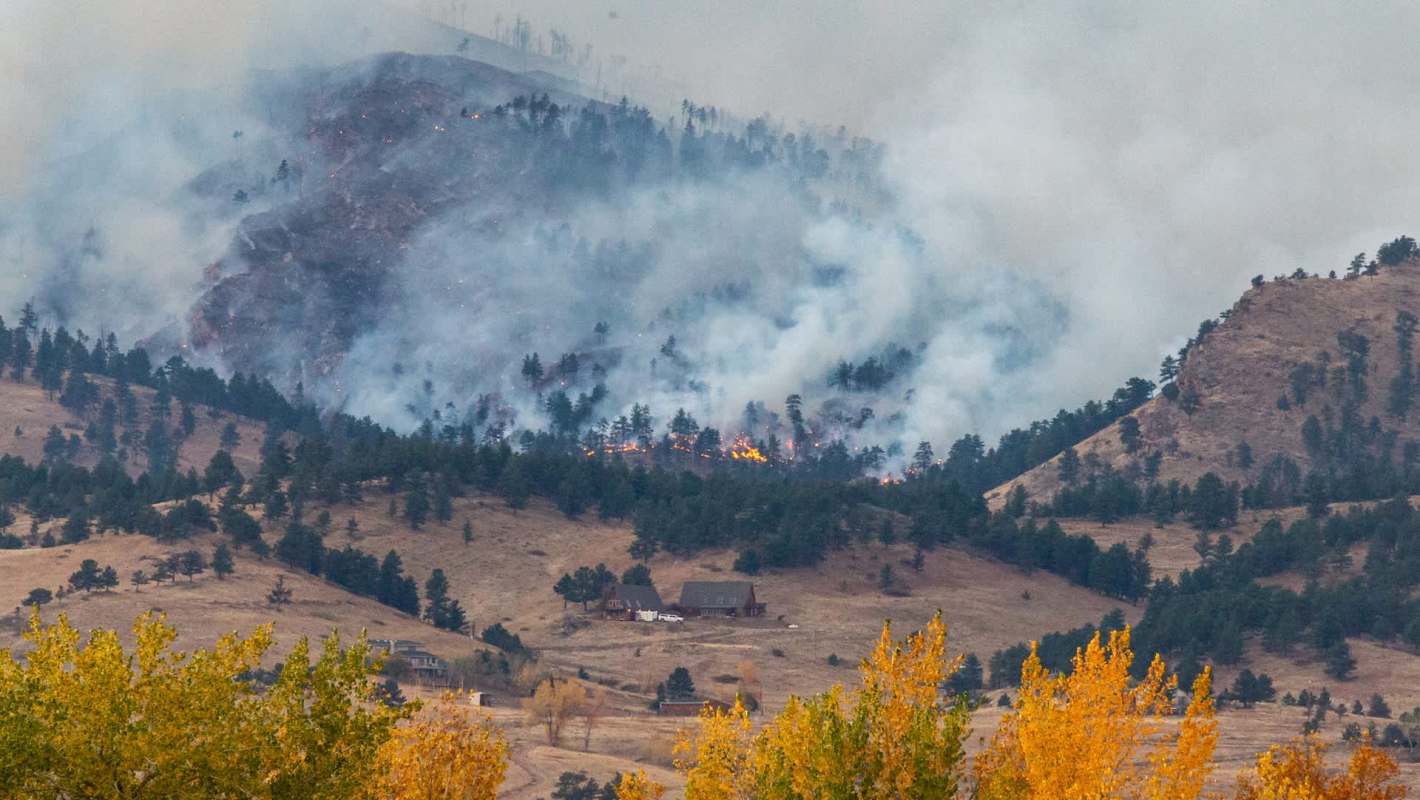
Forecasters say storms may give crews some relief in southern Colorado, but the same weather may also complicate the fight against the 86,000-acre Aspen Acres Fire by bringing stronger winds, road damage, and flash flooding over newly burned ground.
What's happening?
Residents across Custer, Pueblo, Huerfano, and Fremont counties were under evacuation orders or warnings as the Aspen Acres Fire expands south of Colorado Springs. NPR reported that the fire began almost two weeks ago and, in Pueblo and Custer counties, had scorched more than 86,000 acres and was 13% contained by last Sunday morning, officials said.
The Pueblo office of the National Weather Service said storms last Sunday could bring "gusty outflow winds up to 50 mph and lightning" as scattered showers move through south-central and southwest Colorado. While any rain may help slow the fire, officials say the forecast also can create new hazards.
The Aspen Acres Fire is one of several large blazes burning in Colorado. By July 5 afternoon, the Ferris Fire in the southwest had grown past 42,000 acres and was 7% contained, while the Gold Mountain Fire had exceeded 25,000 acres with no containment.
NPR also reports that a separate wildfire in Utah, the Babylon Fire, had grown to over 90,000 acres and remained at 0% containment by Sunday afternoon due to hot, dry conditions and low humidity, making containment efforts more difficult.
Smoke has also become a growing health concern, with state officials urging residents to limit time outdoors due to poor air quality.
TCD Picks » Quince Spotlight
💡These best-sellers from Quince deliver affordable, sustainable luxury for all




Why does it matter?
Wildfires are already destructive, and extreme weather can make them even more unpredictable and harder to contain. High winds can push flames into new areas, lightning can spark additional fires, and heavy rain falling on scorched ground can send mud, ash, and debris rushing onto roads and into neighborhoods.
Smoke exposure also creates immediate public health risks, especially for children, older adults, and people with asthma or heart and lung conditions. In fact, researchers found that wildfire smoke exposure might, in some cases, cause effects similar to those of smoking up to half a pack of cigarettes a day.
On Sunday, a memorial service honored firefighters Emily Barker, Sydney Watson, and Nick Hutcherson, who were killed in a June 27 burnover while battling fires near the Colorado-Utah border. Two additional firefighters survived and were treated for burn injuries.
Wildfire smoke can spread far beyond the burn zone, worsening air quality across entire regions, and hotter, drier conditions are making fire seasons more intense in the American West.
What's being done?
Colorado has issued red flag warnings and air quality alerts in some areas, while residents in affected counties have been told to either leave or be ready to do so quickly if conditions worsen. Emergency officials are continuing containment work, evacuation planning, and public alerts as the fire situation changes.
Because burned terrain often cannot absorb water well, forecasters say rainfall from the storms could quickly lead to flash flooding and road washouts. Still, that moisture could also support firefighting efforts.
Colorado Gov. Jared Polis directed flags to be lowered to half-staff in tribute to the firefighters who were killed.
"These three brave heroes ran towards the flames, put themselves in harm's way, and gave the ultimate sacrifice to protect Coloradans, our communities and our families," Polis said.

Get TCD's free newsletters for easy tips, smart advice, and a chance to earn $5,000 toward home upgrades. To see more stories like this one, change your Google preferences here.







