


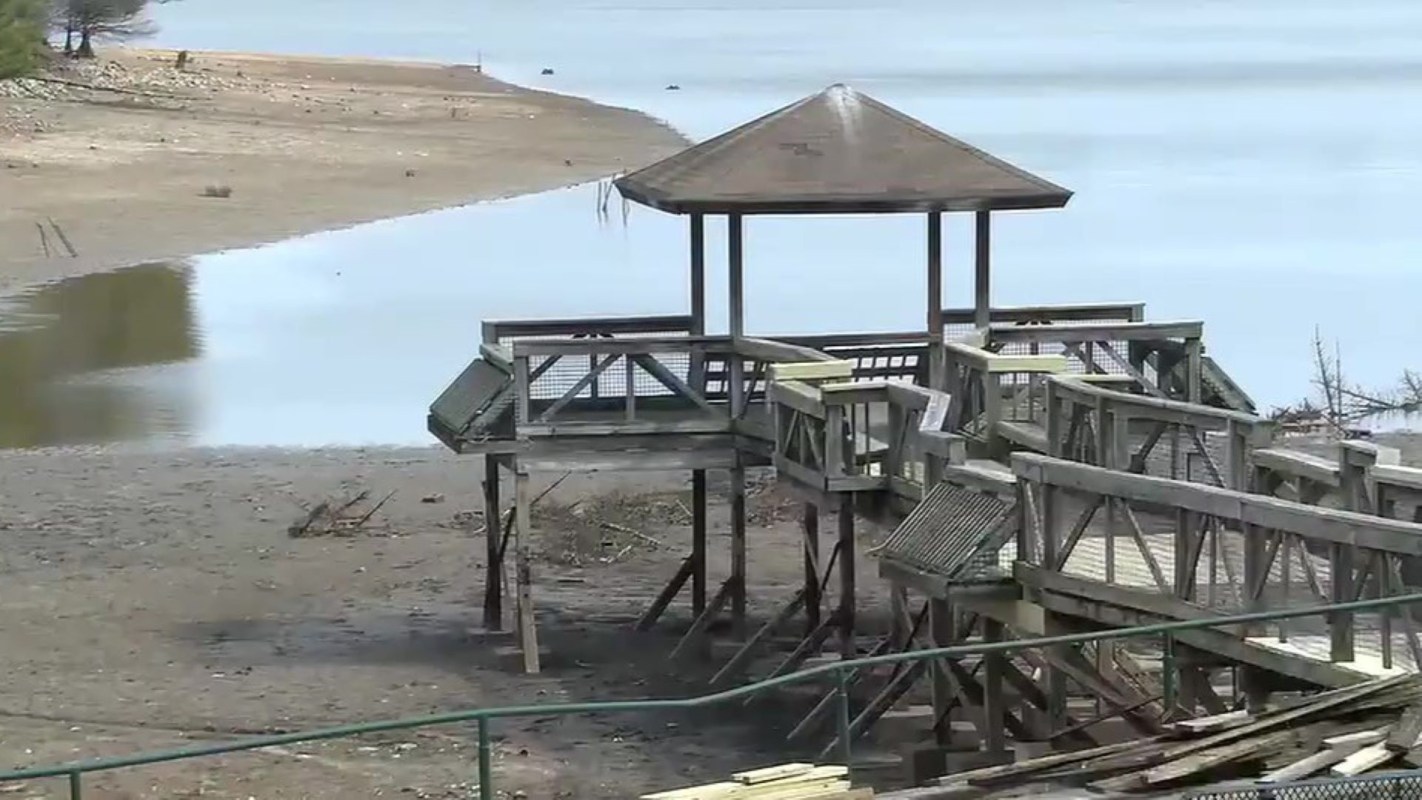
Arkansas duck hunters are facing a major issue before the season begins Nov. 21. After 14 months of drought, Arkansas Game and Fish only has enough water to flood less than half of the hunting land it manages.
Here's what to know
With the first segment of duck season set to start in a few weeks, K8 News (@K8News) released a video and written report warning that AGFC Director Doug Schoenrock is telling commissioners and hunters to expect an unusually dry season.
@k8news Fourteen months of drought have taken their toll on Arkansas's wetlands, and the effects will be felt much more by waterfowl hunters as the first segment of Arkansas's duck season begins Nov. 21. Although the season is a month away, Arkansas Game and Fish Commission Director Doug Schoenrock is preparing commissioners and the hunting public for an uncharacteristically dry season. #duckhunting #hunting #drought ♬ original sound - K8News
Wetlands that hunters across Arkansas depend on have been depleted by the prolonged drought. Because AGFC can flood less than half of the hunting land it manages, public areas that rely on managed water for waterfowl habitat and hunting access will have limitations this season.
The prolonged dry stretch has also hit rice production hard. K8 News described rice as "a key food source for ducks" and reported that farming has fallen to a 40-year low.
More background
The report noted that "pumps can only do so much to help."
"Pumping from the ground for wildlife causes a litany of issues, including the reduction of the water table farmers and cities depend upon," Schoenrock explained to K8 News. "And the volume of water needed during this drought overcomes what we can responsibly pump."
TCD Picks » Quince Spotlight
💡These best-sellers from Quince deliver affordable, sustainable luxury for all




Commenters on TikTok reacted to the news, with many expecting the ducks to end up in different regions as a result.
"Sounds like the natural Flyways may be back this year," a user wrote, with a couple of replies hoping Alabama would welcome the birds.
"Damn hope they pass Arkansas and come get in the Louisiana marsh down south," another TikTok user remarked.
What's being done
The AGFC provides tables to inform the public on planned operations involving reservoirs, flooding, and pumps. They also run the Waterfowl Rice Incentive Conservation Enhancement (WRICE) program to help provide waste rice for migrating ducks.
"Even with the drought, staff have created some of the best moist-soil vegetation that I've ever seen and they should be proud of that effort; we just need the water to flood it for the ducks," Jeffrey Cothren, AGFC Wetland Habitat Program coordinator, told K8 News.
The station also noted measures are in place to ensure any rice fields enrolled in the WRICE program use surface water solely for flooding. Still, water is running low, and it seems hunters might have to prepare for a tepid start to the season.
"It's largely in the hands of Mother Nature," Schoenrock said in a recent AGFC meeting, per K8 News. "Hunters may need to temper their expectations with the forecast we're getting for the beginning of duck season."
Where can I learn more?
These stories look at how similar dry conditions affecting Arkansas duck habitat are also straining water and land across the region.
• In south Arkansas, multiple counties reported wildfires as drought kept dangerous fire conditions in place.
• In Oklahoma, flash droughts dry ponds and push wildfire danger higher across the state.
• In the Rio Grande Valley, Saharan dust limits rain as drought keeps conditions worsening.
• At Lake Waco, water levels dropped 4 feet below normal after a hot, dry summer.

Get TCD's free newsletters for easy tips, smart advice, and a chance to earn $5,000 toward home upgrades. To see more stories like this one, change your Google preferences here.







