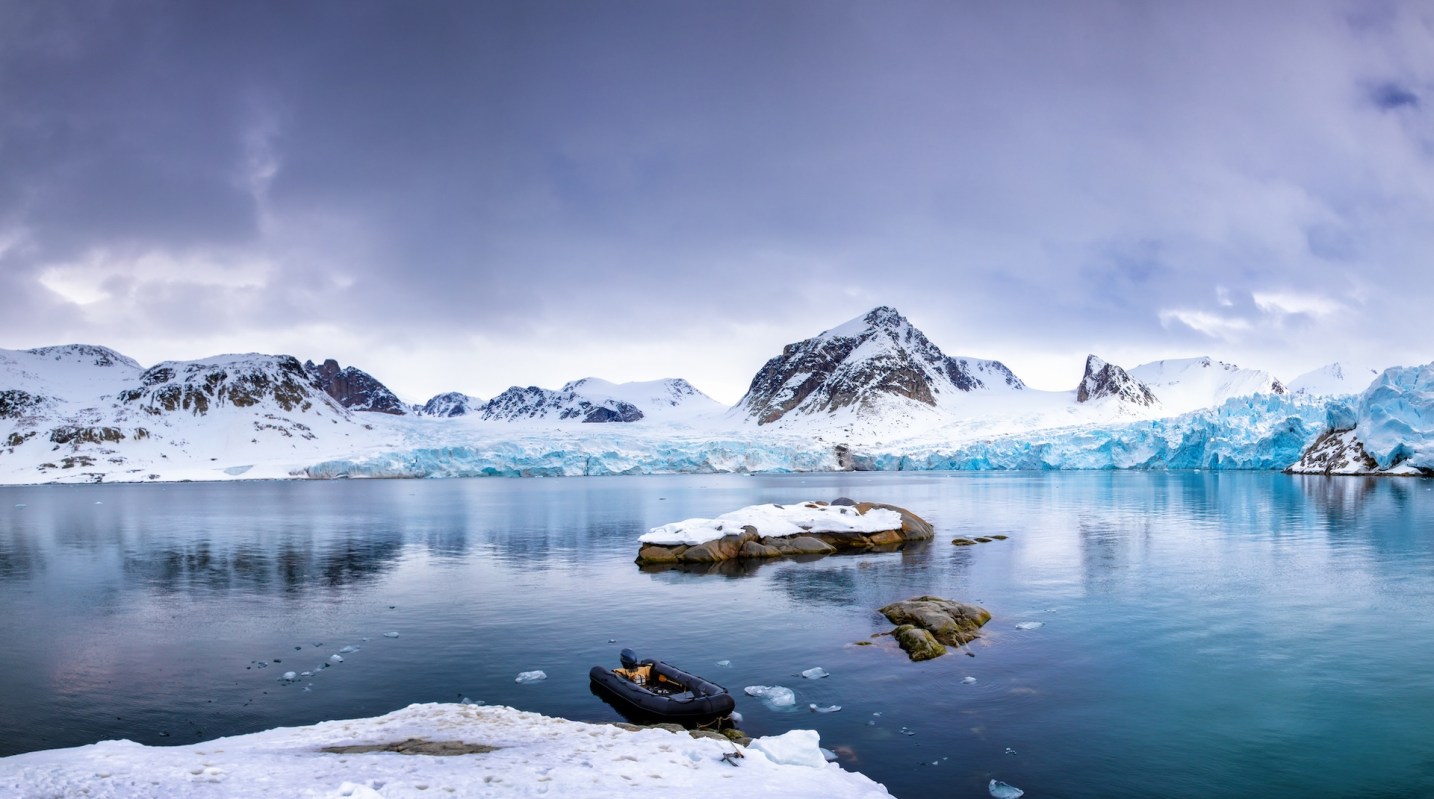
A team of researchers discovered various pesticides and pollutants while studying three glaciers in the Arctic Ocean.
Their findings reveal how a shifting climate is making our planet vulnerable to contaminants and highlight the need for further study on pollution in polar regions.
What's happening?
As ScienceDirect shared, the researchers published their study in the journal Environmental Research.
They took samples from three Spitsbergen glaciers in the Svalbard archipelago, located in the Arctic region. Their research focused on polychlorinated biphenyls, legacy pesticides, and current-use pesticides in shallow ice cores and seasonal snow.
The researchers observed how melting Arctic ice mobilizes harmful contaminants and poses risks to Arctic ecosystems.
Why is Arctic pollution a problem?
The Svalbard region of the Arctic was once considered pristine, but it is now significantly contaminated by toxic pollutants. Glaciers and areas of snowpack capture contaminants from the atmosphere, especially during snowy times.
TCD Picks » Quince Spotlight
💡These best-sellers from Quince deliver affordable, sustainable luxury for all




The Svalbard glaciers have lost a significant amount of mass over the past five decades. Rapid glacier melting, which has escalated since 2000, is reintroducing previously trapped pollutants into the environment and transferring them into nearby lakes, rivers, and soil.
We can learn a great deal about changing climate patterns and glacier deterioration by studying the chemicals contained in snow at the North Pole and in other regions with snow worldwide.
Meanwhile, other scientific studies have been highlighting the harmful chemicals in snow at ski resorts and other public-use areas.
What's being done to address pollution in the Arctic?
Studies like this one update and expand public information for Arctic pollution databases, quantifying pollutant concentrations and analyzing how contaminants are disbursed across glaciers.
|
Do you worry about having toxic forever chemicals in your home?
Click your choice to see results and speak your mind. |
 Majorly 😥
 Fortunately, scientists have been developing methods to remove carbon, methane, and other harmful pollutants from the atmosphere using innovative techniques, such as targeted bacteria.
Broader efforts to transition to clean energy sources, such as wind and solar power, can also help reduce pollution in the Arctic and globally.
Policy changes to curb pollution and move away from dirty, polluting energy sources are crucial. However, there are individual actions you can take to help reduce pollution on our planet as well.
For example, you can install solar panels on your home alongside backup battery storage to reduce your pollution output and boost your resiliency when extreme storms hit.
EnergySage can help you save up to $10,000 on your solar installation when you use its free quote comparison tool.
You can also reduce pollution in your life by making simple changes, such as using less plastic and opting for public transportation instead of driving.
Discussing critical climate issues, like melting Arctic glaciers and polar pollution, with people you know is also an impactful way to raise awareness about the threats our planet faces.

Join our free newsletter for good news and useful tips, and don't miss this cool list of easy ways to help yourself while helping the planet.