


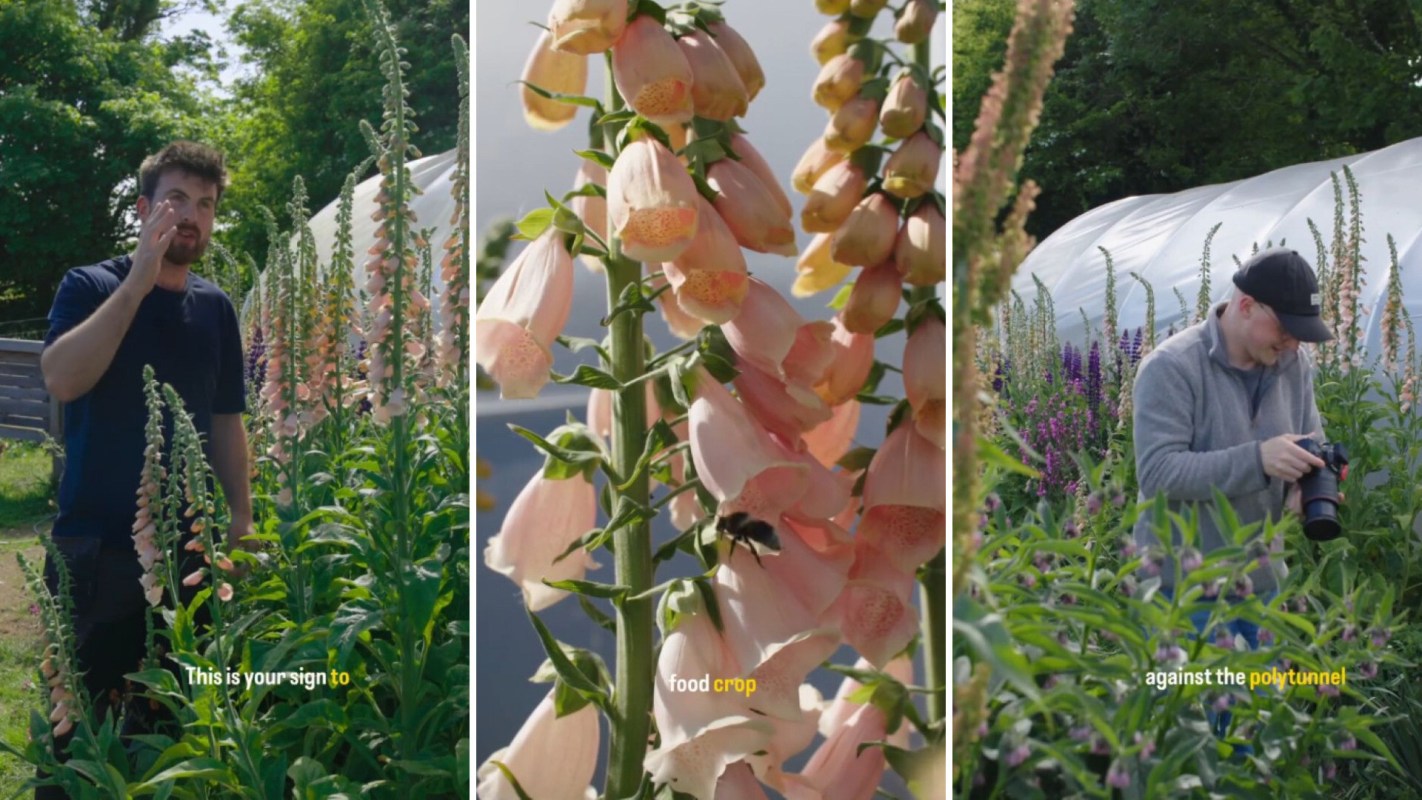
Calling all U.K. gardeners — if your backyard feels a little flat this spring, apricot foxgloves can be a surprisingly easy way to add height, soften hard edges, and attract pollinators all at once.
Foxgloves can spread aggressively outside their native range and are considered invasive in some parts of the United States, so gardeners should check local guidance before planting. Foxglove Beardtongue is also a U.S. native alternative to the traditional foxglove species.
An important factor to consider, however, is that foxgloves are toxic, so they are strictly ornamental rather than edible. But that does not make them any less useful in the garden.
In a recent Instagram reel, gardener Huw (@huwsgarden) showed off the flowers' soft apricot blush and explained why they are such a draw for native bumblebees. As he wrote in the caption, they are "a high value forage for native bees and a true feast for our eyes!"
Even better, the plants in his garden had self-seeded from the previous year, making them an especially appealing option for anyone looking for a lower-maintenance way to create a more vibrant, wildlife-friendly growing space.
The scoop
The concept is straightforward: Sow foxglove seeds one year, and you may get blooms the next — and, if conditions cooperate, volunteer seedlings in the years after that.
TCD Picks » Quince Spotlight
💡These best-sellers from Quince deliver affordable, sustainable luxury for all




That self-seeding habit can make foxgloves particularly attractive for gardeners who want a softer, more natural-looking border without having to keep replanting.
To give it a try, you will need foxglove seed, a place in an ornamental border, and a bit of patience. If you allow some of the blooms to go to seed, you may get the same low-effort return the following year.
Because foxgloves are poisonous, this is also a garden idea that comes with an important warning: Do not treat them as a food crop, and be thoughtful about where you grow them.
How it's helping
The clearest benefit is that this is a high-impact, low-effort way to make a garden feel fuller and more established. Self-seeding flowers can cut down on spending for replacement plants and reduce the need for repeated sowing, while still bringing color, height, and structure to the space.
That can be especially valuable in or near a kitchen garden. While foxgloves themselves are not edible, pollinator-friendly flowers can still make the space more functional by attracting bees that may also visit nearby fruiting crops.
For people growing food at home, that is part of what can make gardening such a worthwhile investment. It may help lower grocery bills, improve the flavor of produce picked at peak ripeness, and support mental and physical health through time outdoors and regular movement.
The environmental upside is clear as well. Native bees need dependable food sources, and flowering plants such as foxgloves can help provide them. Adding more pollinator-friendly blooms to home gardens can support local biodiversity while making outdoor spaces feel more resilient and alive.
What everyone's saying
Commenters on the post praised Huw's ability to maintain the beautiful foxgloves while also emphasizing their toxicity and aggressive nature.
"Stunning … I'm already growing some for next year," wrote one user.
"They are so so pretty. Such a shame they are toxic as I wouldnt have them near my pets but wow they are stunning," one commenter said.
"If you're in America this is your sign to plant YOUR native plants! Not these!" warned another.

Get TCD's free newsletters for easy tips, smart advice, and a chance to earn $5,000 toward home upgrades. To see more stories like this one, change your Google preferences here.







