


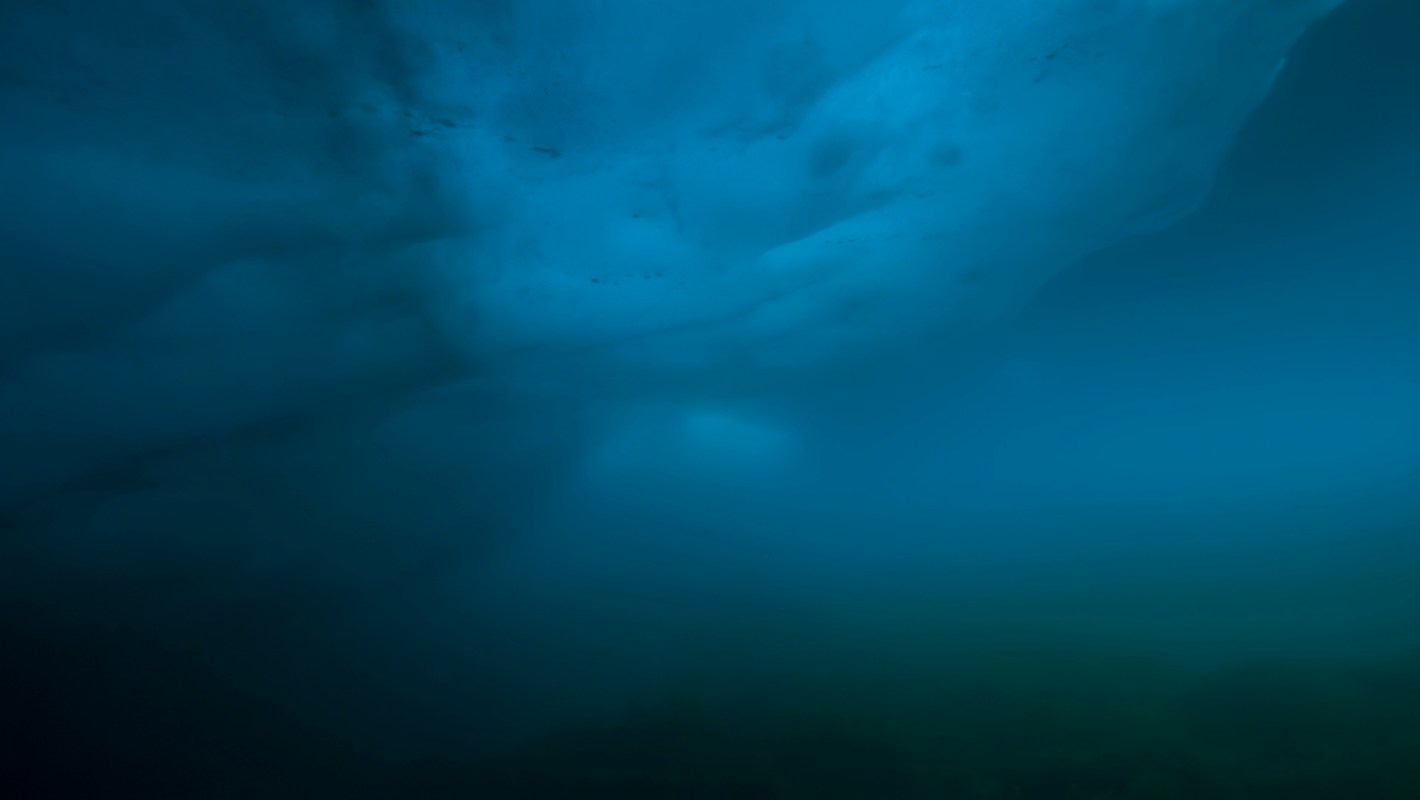
A University of Gothenburg unmanned submarine, named Ran, sent back peculiar images of step-like and teardrop-shaped structures before disappearing under a West Antarctic ice shelf in 2024.
The features that were mapped — resembling shapes humans would make — aren't evidence of Atlantis, but rather of significant ice melt that continues to draw expert focus to the area.
"We are living in a time when the ocean needs our attention more than ever," Voice of the Ocean Foundation CEO Sanna Thimmig Johansen said in a news release.
VOTO is helping to fund Ran II, another submersible built to continue investigating Antarctic underwater anomalies in partnership with researchers from the Swedish university.
While certain portions of crucial ice shelves are increasing, the vast frozen West Antarctic masses are generally melting faster than snow can replace them, part of a trend lasting more than 30 years, according to the Antarctic and Southern Ocean Coalition.
Warming ocean waters are contributing to their current decline. The National Oceanic and Atmospheric Administration reported that the seas hold 91% of the planet's excess heat, caused largely by burning coal, oil, and gas that generate air pollution and trap heat inside the atmosphere. NASA added that sea level rise and coastal flooding are repercussions already being felt from Miami to Bangkok.
TCD Picks » Quince Spotlight
💡These best-sellers from Quince deliver affordable, sustainable luxury for all




The eerie structures imaged by Ran are the result of melting that's undercutting the Dotson shelf, creating an unstable overbite. When shelves break off, they no longer brace the land-based glaciers behind them, accelerating ice movement and sea level rise, according to Earth.com.
For its part, Dotson is massive, measured at 30 miles wide, per the Australian Antarctic Data Center.
Satellite data shows that melt channels lose 40 feet annually as part of a pattern associated with warming water. The impact is being realized on coasts, as measurements show that Dotson alone has added 0.02 inches to ocean levels between 1979 and 2017. Antarctic ice melt has contributed just over half an inch to sea levels since 1979, according to Earth.com, referencing the satellite and climate information.
Before Ran vanished, experts got an unprecedented look at the ice shelf's underside, which provided unparalleled insight.
|
Which of these savings plans for rooftop solar panels would be most appealing for you?
Click your choice to see results and earn rewards to spend on home upgrades. |
 Save $1,000 this year 💸
 "It's a bit like seeing the back of the moon," Gothenburg Professor Anna Wåhlin said in a news release. She mentioned the importance of Ran's replacement continuing the intrepid submarine's work.
"Current models cannot explain the complex patterns we see. But with this method, we have a better chance of finding the answers," Wåhlin added.

Get TCD's free newsletters for easy tips, smart advice, and a chance to earn $5,000 toward home upgrades. To see more stories like this one, change your Google preferences here.







