


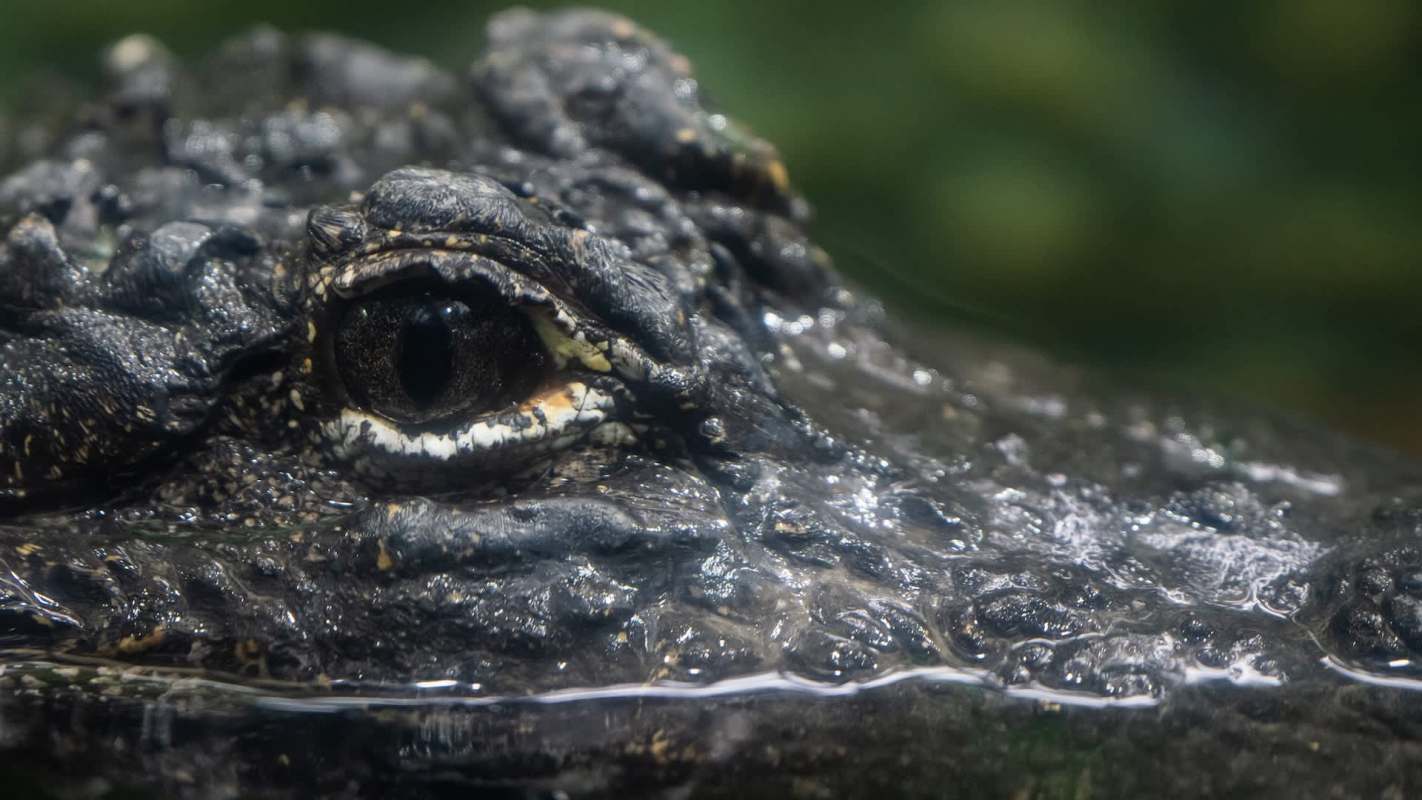
A 135-year-old Louisiana boast is getting a fresh round of scrutiny, and the legend of a record-breaking alligator is looking less certain.
A new retelling of the state's famous 19-foot-2-inch alligator tale has revived debate over whether the animal was truly the largest ever recorded, or simply one of the most enduring hunting stories in Louisiana folklore.
The renewed attention comes from a KPEL News report revisiting the account of Edward "Ned" Avery McIlhenny, the future Tabasco heir who claimed he shot a massive alligator near Marsh Island in January 1890.
According to the story, McIlhenny was 17 when he encountered the cold-stunned reptile in the marsh after retrieving ducks. He reportedly returned the next day with others to measure it, but the carcass was too large to move.
Instead, the group is said to have estimated its length by using McIlhenny's 30-inch shotgun barrel as a measuring guide, marking off the body in segments.
That detail has become a key reason modern experts question the claim. There was no photograph, no preserved skull, and no independent measurement — only a reconstruction based on estimation.
TCD Picks » Quince Spotlight
💡These best-sellers from Quince deliver affordable, sustainable luxury for all




Scientists have long been skeptical. McIlhenny did not publish the account until 1935, decades after the alleged kill, and later studies using skull-to-body ratio models suggest some historic "record" alligators were likely significantly smaller than reported.
While Louisiana still references the 19-foot legend in popular retellings, many researchers now treat it as unverified folklore rather than a confirmed record.
Today, the state is home to an estimated 3 million wild alligators and around 1 million on farms, meaning questions about size and management remain highly relevant beyond old stories.
Modern Louisiana continues to produce very large, well-documented alligators, including a 13-foot-9-inch specimen caught in 2023.
That abundance is partly the result of deliberate conservation. After alligator populations collapsed in the 1960s, Louisiana rebuilt them through regulated harvesting, habitat protection, and strict wildlife management programs.
In other words, today's thriving alligator population is a conservation success — one shaped by decades of human intervention.
But that success has also created new challenges. The state now handles thousands of nuisance alligator complaints each year, and wildlife officials have expanded hunting seasons in response to population pressures and increasing human-wildlife overlap.
As more people live, fish, boat, and develop property near wetlands, encounters with alligators have become more common. Officials continue to stress that gators generally avoid humans, but problems often arise when animals are fed or lose their natural fear of people.
Even McIlhenny's legacy has added to the skepticism. His company has previously acknowledged that he was "well-known on the island for his gift for spinning yarns," a characterization that has only deepened doubts about the historic claim.
Still, there is little dispute that Louisiana produces exceptional specimens.
In the end, the Marsh Island gator may well have been enormous — just not necessarily the 19 feet, 2 inches giant that has echoed through Louisiana lore for more than a century.

Get TCD's free newsletters for easy tips, smart advice, and a chance to earn $5,000 toward home upgrades. To see more stories like this one, change your Google preferences here.







