


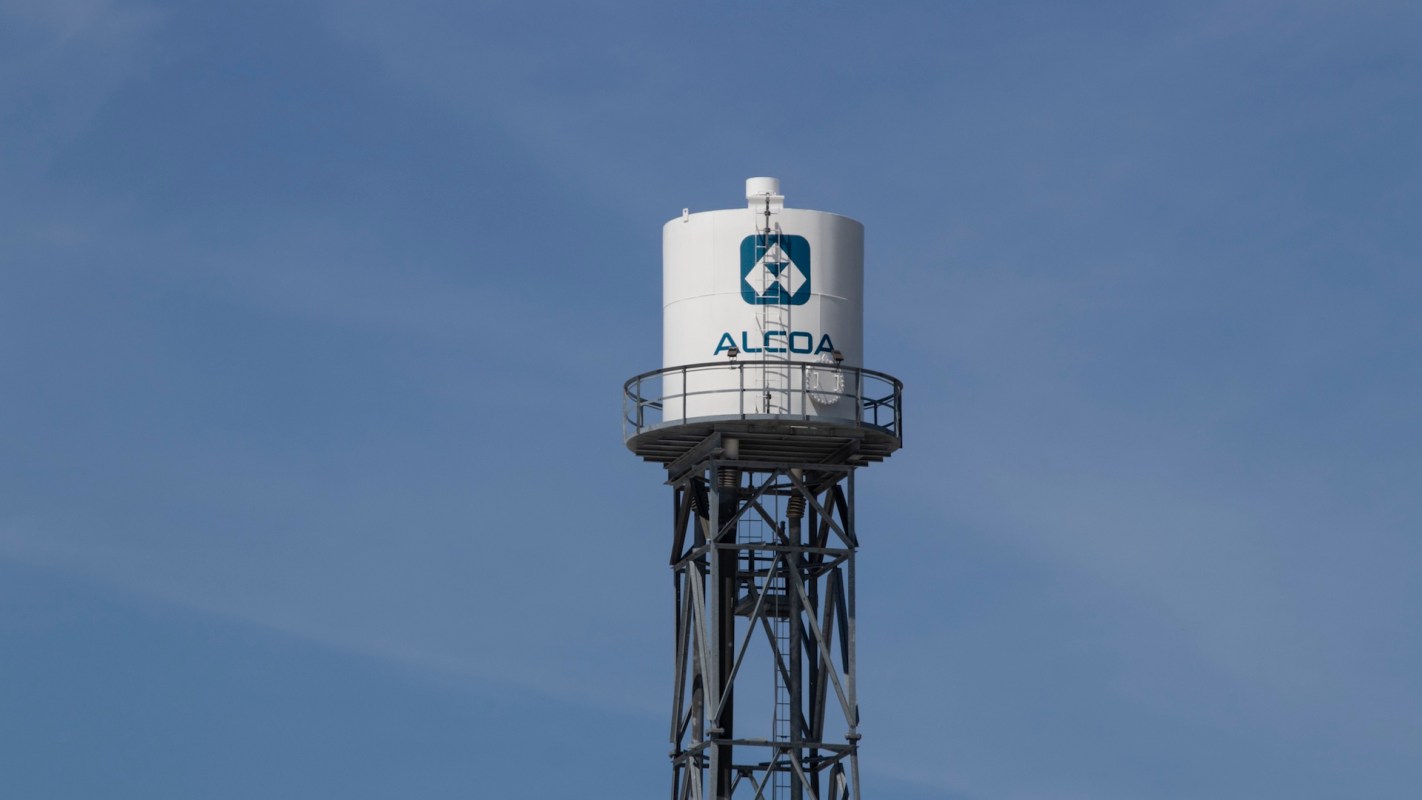
American mining giant Alcoa must keep its operations twice as far from drinking water reservoirs near Perth, Australia, following a strengthened temporary government order aimed at protecting the city's water supply, the Australian Broadcasting Corporation reported.
Here's what to know
Mining is prohibited within 2 kilometers (1.2 miles) of reservoirs, compared to the previous 1-kilometer (0.6-mile) limit.
The restrictions accompany Western Australia's environmental assessment of Alcoa's jarrah forest operations southeast of Perth, according to ABC News.
Work would normally have to stop during such an assessment.
Alcoa has operated in the area for more than six decades, but its mining operations are under scrutiny for the first time by Western Australia's Environmental Protection Authority.
However, a 2023 government exemption allowed operations to continue under conditions intended to "safeguard local jobs."
TCD Picks » Quince Spotlight
💡These best-sellers from Quince deliver affordable, sustainable luxury for all




Local employment was one consideration behind the order, according to Environment Minister Matthew Swinbourn, who also cited protections for black cockatoo habitat and drinking water.
More background
There is no evidence that Alcoa has ever affected drinking water.
Nevertheless, concerns about potential harm to Perth's supply have accompanied the company's gradual approach to Serpentine Dam.
A proposed ban on mining steep terrain was among the Water Corporation's requests, according to documents obtained by the online publication Boiling Cold through Freedom of Information laws.
The utility also advocated for the larger reservoir buffer.
"Slopes greater than 16 per cent have been identified as impacting erosion in rehabilitation areas and mine site failures," the Water Corporation warned.
Alcoa's internal drinking water assessment for 2025 stated that it would generally clear only areas with slopes below 16%. If that proved impossible, Alcoa said it would prepare a drainage management plan.
The company said it employs around 4,000 people in Western Australia, about 60% of whom live in the Peel and South West regions.
What's being done?
Beyond protecting reservoirs, the order expands the no-mining buffer around nesting trees used by black cockatoos and other trees deemed significant from 10 meters (33 feet) to 50 meters (164 feet).
The government must receive tree locations from Alcoa, which must also survey planned mining areas and mark the zones around those trees where work is prohibited.
Whether the changes would provide enough protection remained a concern for Greens environment spokesperson Jess Beckerling, despite her support for them.
"While a 50-meter buffer is better than a 10-meter buffer, it still doesn't guarantee the survival of these critically important trees," she explained.
An Alcoa spokesperson welcomed the decision, saying the company was focused on meeting "evolving community expectations."
However, Matt Roberts of the Conservation Council of Western Australia argued that the government should instead pursue closure. He warned that continued mining would destroy jarrah forest that cannot be restored to its existing condition.
Premier Roger Cook indicated that further restrictions could follow through changes to Alcoa's state agreement.
"We'll continue to work with Alcoa around modernizing their state agreement which will further bring them into a modern environmental protection regime," he stated.
"This latest move is about making sure the instruments that we have available to us today are effective and relevant in relation to their current mining activity."
Where can I learn more?
Mining and drilling have raised concerns about drinking water in communities far beyond Perth. These stories cover threats to drinking water, contested land auctions, and a community's efforts to uncover potential water supply contaminants.
• A proposed U.S. mine has raised concerns about a border town's drinking water.
• Colorado residents fought drilling near Aurora Reservoir, but federal officials are auctioning more acreage.
• Michigan residents are pressing the Environmental Protection Agency over potash wells' potential impacts on local water.

Get TCD's free newsletters for easy tips, smart advice, and a chance to earn $5,000 toward home upgrades. To see more stories like this one, change your Google preferences here.







