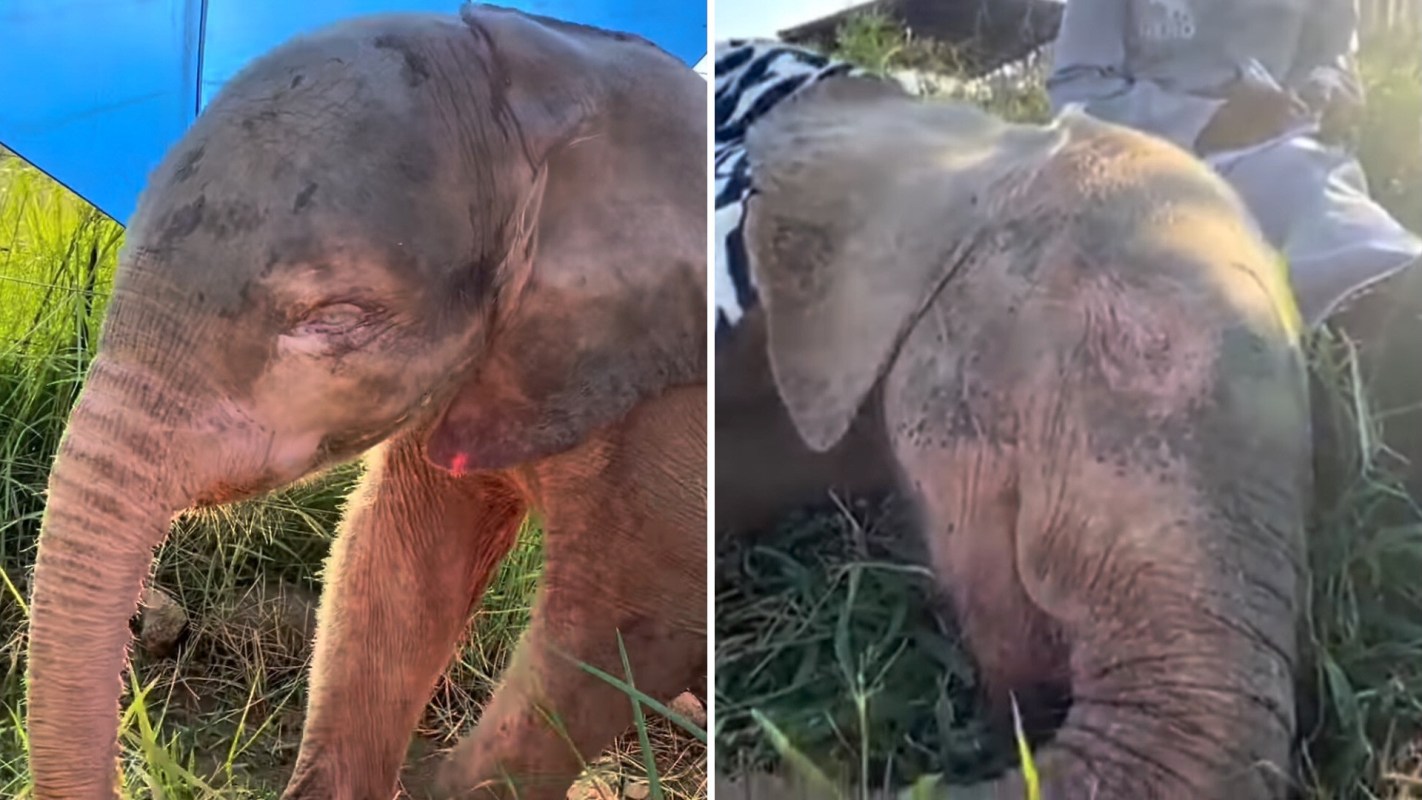
Khanyisa, a young albino elephant, was in critical condition when she was rescued in 2020 after a snare caused severe wounds to her face and neck.
Now, her recovery is being celebrated as patient care, community support, and compassion have given her a second chance.
What happened?
HERD Elephant Orphanage South Africa (@herdelephantorphanage), an elephant sanctuary, recently revisited Khanyisa's story in a video and caption highlighting how far she has come since her rescue.
"When she was rescued in 2020, a snare had already caused devastating injuries to her face and neck. Without intervention, she would not have survived."
Over time, her carers helped her regain strength, the Jabulani Herd accepted her, and her connection with Lammie became another source of comfort during rehabilitation.
The sanctuary wrote, "But instead of fear defining her future, she was met with compassion."
TCD Picks » Quince Spotlight
💡These best-sellers from Quince deliver affordable, sustainable luxury for all




One commenter wrote, "She's been through a hard time, but thanks to you all at HERD, she made it," while another added, "She overcame such hardships with the love and care at HERD."
Why does it matter?
Snares can inflict devastating injuries on elephants and other wildlife, making human activity an enduring threat.
Khanyisa's recovery also shows that conservation is about more than protecting species in the abstract. It depends on carers, sanctuary staff, and communities willing to invest time and resources in an animal's future.
Successful rescue and rehabilitation efforts can help preserve biodiversity and strengthen public support for conservation.
When animals are protected, landscapes become more resilient, and communities that value wildlife can build stronger connections to the natural world around them.
What's being done?
In Khanyisa's case, the answer was consistent, hands-on care.
HERD credits her healing to "the unwavering care of her carers, the acceptance of the Jabulani Herd, and the extraordinary bond she formed with Lammie."
Rescue is rarely a single dramatic moment. It often involves medical treatment, social reintegration, and a safe place where animals can recover physically and emotionally over time.
Her story also points to the importance of broader anti-snare and wildlife-protection efforts. While one rescue can save an individual life, prevention helps reduce the suffering that puts animals like Khanyisa at risk in the first place.
"Unconditional love doesn't erase hardship, but it gives us the strength to move forward despite it," HERD wrote.
One commenter added, "Khanyisa was a miracle baby."

Get TCD's free newsletters for easy tips, smart advice, and a chance to earn $5,000 toward home upgrades. To see more stories like this one, change your Google preferences here.