


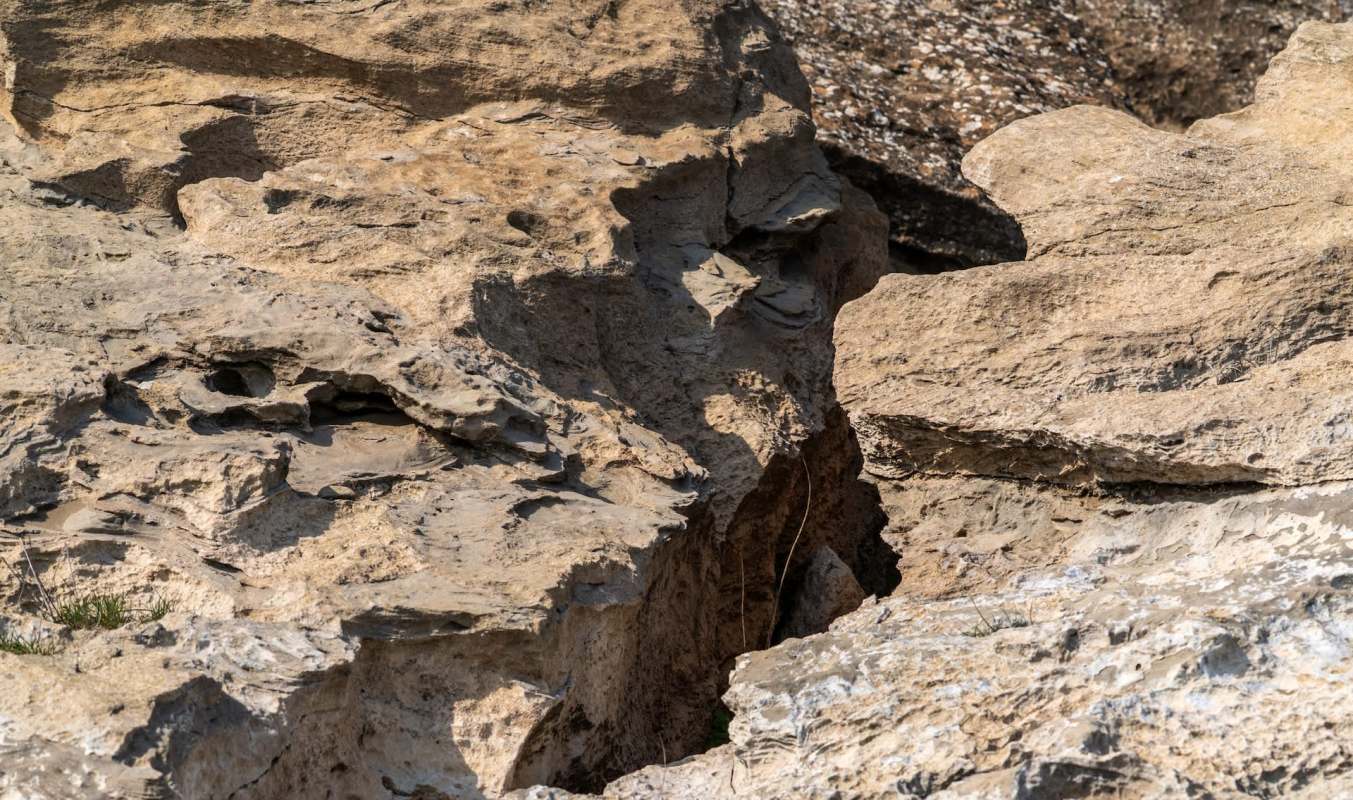
The African landmass is breaking apart faster than scientists previously thought, potentially leading to the fracturing of the continent and the formation of a new ocean, per a Columbia Climate School article shared by Science Daily.
Despite the faster timeline, experts say the rift will likely take millions of years, according to a new study published in Nature Communications.
The split is occurring along the Turkana Rift, which stretches for about 300 miles across Eastern Africa. The region has long been known for its volcanic activity and the abundance of human fossils found there.
The separation is occurring at the joint between multiple tectonic plates, which presently are drifting apart at a rate of about 4.7 millimeters per year.
"We found that rifting in this zone is more advanced, and the crust is thinner, than anyone had recognized," said Christian Rowan, the study's lead author, per Columbia Climate School. "Eastern Africa has progressed further in the rifting process than previously thought."
The researchers discovered that, at its thinnest points, the crust was only about eight miles thick, compared to approximately 22 miles in other areas.
TCD Picks » Quince Spotlight
💡These best-sellers from Quince deliver affordable, sustainable luxury for all




Anne Bécel, a study co-author, described the rift as reaching a "critical threshold," according to Scientific American.
While it will take millions of years for the African continent to break apart and form a new ocean, the findings are changing scientists' understanding of plate tectonics.
"It challenges some of the more traditional ideas of how continents break apart," explained Rowan, the lead author, per Columbia Climate School, which conducted the research.
"In essence, we now have a front row seat to observe a critical rifting phase that had fundamentally shaped all rifted margins around the world," added Folarin Kolawole, another study co-author, per Columbia Climate School.
With rifting impacting everything from the landscape to vegetation to climate, this improved understanding will allow experts to better predict other changes taking place on the planet.
"Then we can use that knowledge to understand what is going to happen in our future, even on shorter time scales," said Bécel, per Columbia Climate School.

Get TCD's free newsletters for easy tips, smart advice, and a chance to earn $5,000 toward home upgrades. To see more stories like this one, change your Google preferences here.







