


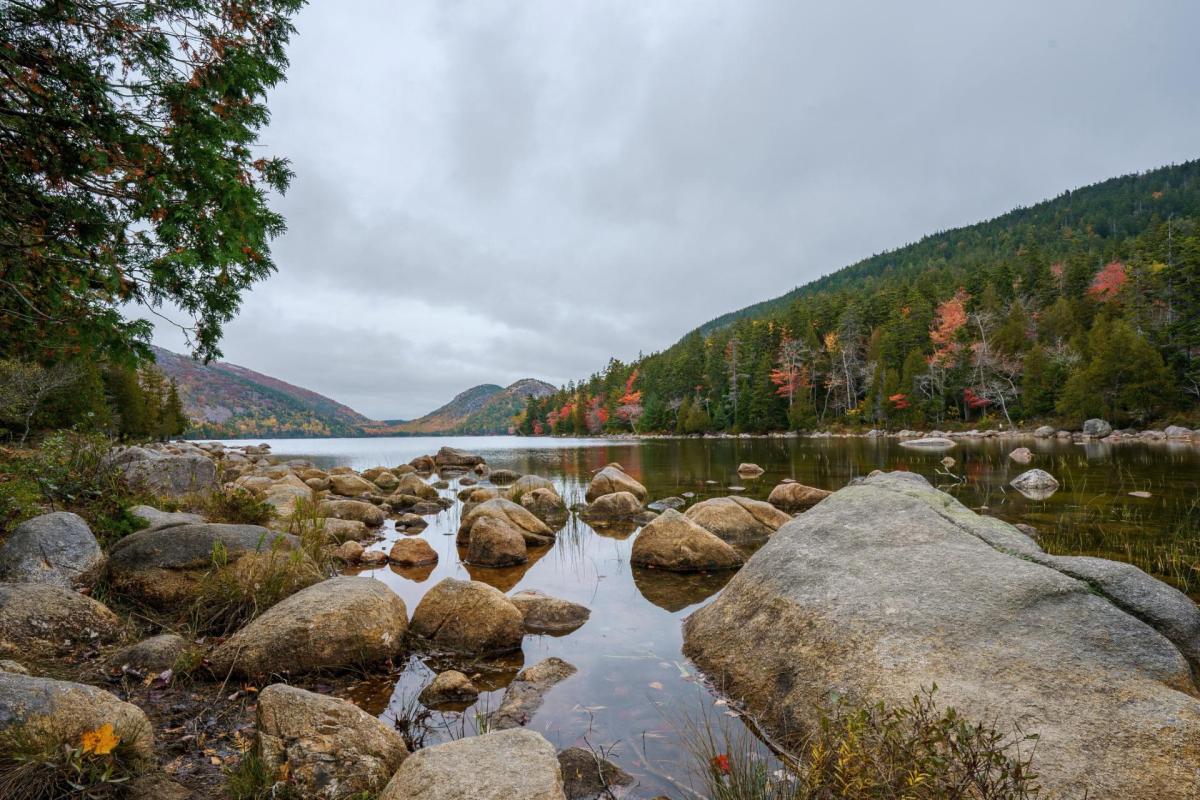
Some people finish a summer hike in Acadia National Park thinking about the ocean vistas or the sunset. Others leave with a broken ankle.
As the Bangor Daily News reports, the latter outcome is common enough to have a name: "Acadia ankle."
What happened?
North Carolina visitor Pamela Gunter shared on Facebook that she broke her ankle after slipping on a steep granite stretch of Dorr Mountain on June 24, then had to be carried out by rescuers before undergoing emergency surgery.
Rescue records obtained by the Bangor Daily News suggest her accident was far from rare. Volunteer group MDI Search and Rescue reportedly logged 93 missions between March 2017 and September 2023, 48 of them involving ankle injuries.
"Everyone be careful out there — there were 3 broken ankles while I was at the ER and apparently it is so common it is called the Acadia ankle," Gunter wrote in her Facebook post.
Rescue logs cited by the Bangor Daily News show that, of the four dozen ankle-related missions during that stretch, the Beehive and Bowl trails account for at least nine and Cadillac Mountain for seven more.
TCD Picks » Quince Spotlight
💡These best-sellers from Quince deliver affordable, sustainable luxury for all




Most injured hikers had to be carried out by litter, while women made up nearly 80% of those cases, the paper said. The median age was 52.
One commenter on Gunter's post told her she was now in the "Acadia broken ankle club," according to the Bangor Daily News.
Why does it matter?
Mariah Cormier, a public affairs officer for MDI Hospital, told the paper that the emergency department handles roughly triple the summer patient volume seen in the offseason, along with a major increase in ankle, wrist, and bike-related injuries.
Even hikers who think they are taking the right precautions can still get hurt on the park's trails, as the Bangor Daily News noted. Gunter said she had hiking shoes on, moved carefully, and stayed on the trail.
The sentiment on social media and from those who have also fallen prey to Acadia Ankle is that the trail could do a better job of warning visitors about the slippery conditions that Gunter likened to black ice.
"Perhaps the National Park should consider an extra warning on the rock-faced trails about how slick and dangerous this can be," Gunter told the Bangor Daily News. "If it is so common I do wish there was more information about it."
Like heat illness at the Grand Canyon, "Acadia ankle" is a place-specific injury pattern associated with a single outdoor destination. A spate of injuries can overwhelm hospitals and rescue efforts, while leaving hikers with expensive medical bills and a long recovery process.
What can I do?
Volunteer rescuers continue difficult carryouts, and hospital staff treat a steady flow of seasonal injuries.
Gunter described the roughly 20 rescuers who carried her down as "absolutely phenomenal," per the Bangor Daily News.
Visitors can lower their risk by choosing trails that match their comfort level, especially when they are tired or navigating slick rock.
Acadia also offers plenty of easier walks and overlooks, and some older visitors told the Bangor Daily News they intentionally stick to gentler routes to avoid injury.

Get TCD's free newsletters for easy tips, smart advice, and a chance to earn $5,000 toward home upgrades. To see more stories like this one, change your Google preferences here.







