


Researchers have unearthed the vertebrae of a 47 million-year-old snake that could rival the largest snake ever — and we're not talking about Salazar Slytherin's basilisk.
This species, named Vasuki indicus, is estimated to have reached lengths of between 36 and 50 feet. To put that in perspective, that means it could grow longer than a school bus. The previous longest snake ever discovered, Titanoboa, was found in Colombia and clocked in at around 48 feet long.
Researchers Debajit Datta and Sunil Bajpai reported their findings after studying 27 of the monster serpent's mostly well-preserved vertebrae, some of which were still connected. The vertebrae ranged between 1.5 and 2.5 inches long, and some were over 4 inches wide.
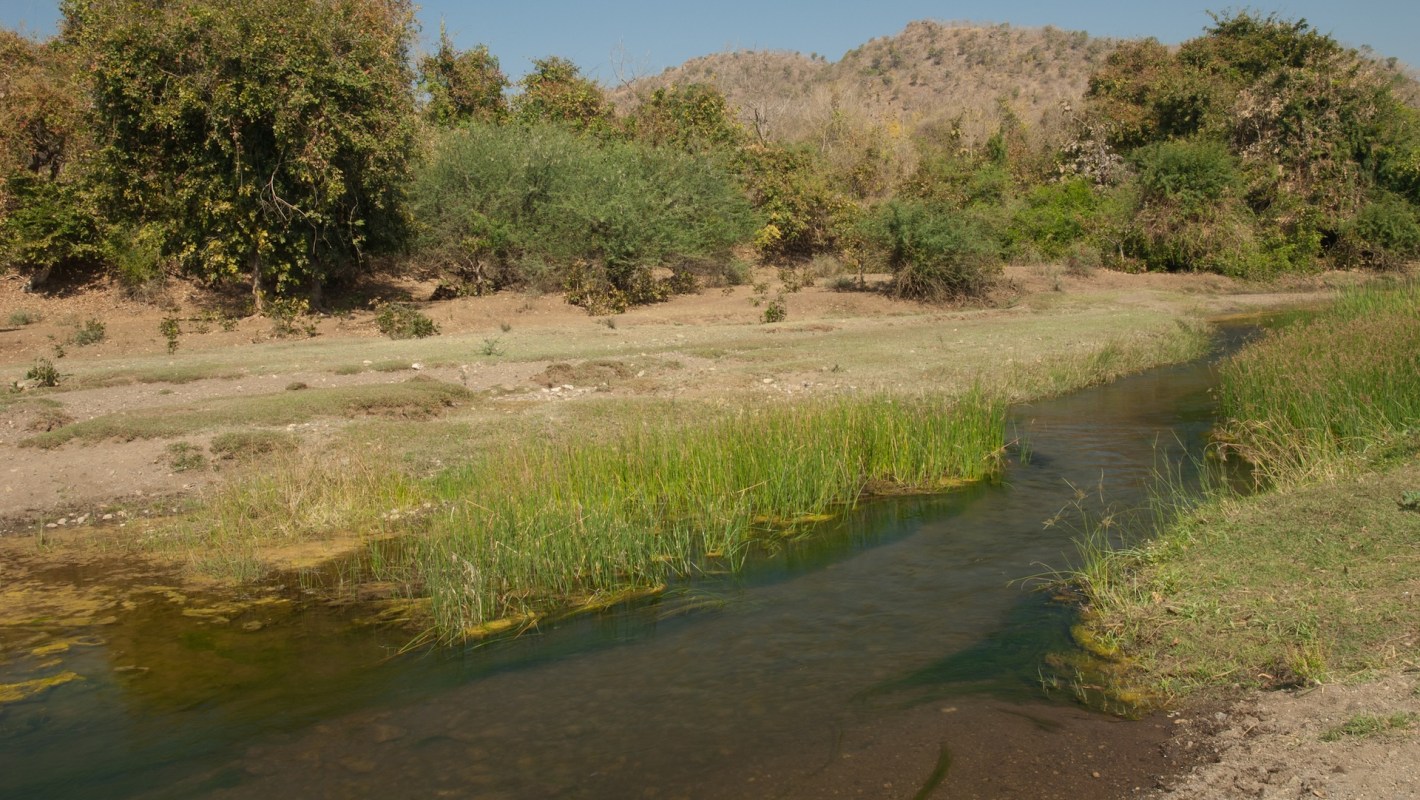
The remains were discovered at the Panandhro Lignite Mine in Kuchchh, Gujarat, India. The researchers named the newly found snake after Vasuki, the king of serpents, a mythological creature associated with the Hindu deity Shiva.
The massive snake could've hunted the ancient ancestors of horses and rhinos from that time period found in that same area, and likely did so in the same way modern anacondas hunt.
Vasuki indicus has been classified in the madtsoiidae family, a group of snakes that lived for around 100 million years from the Late Cretaceous to the Late Pleistocene. The remains of this snake date back to around 47 million years ago.
TCD Picks » Quince Spotlight
💡These best-sellers from Quince deliver affordable, sustainable luxury for all




The study's authors indicate that Vasuki indicus might belong to a lineage of large madtsoiid snakes that first emerged in India, potentially migrating through southern Europe and into Africa during the Eocene, a period extending from roughly 56 to 34 million years ago.
"Since this group was dominated by madtsoiids from India and Vasuki was the most primitive ancestor in the family tree, we inferred that this group of snakes originated in India," Bajpai said, according to Nature India.
These massive serpents thrived in the higher temperatures of the time, but the researchers believe that our current rising temperatures likely won't create the same monster-sized snakes.
"While high temperatures spur the development of large bodies in snakes and other cold-blooded organisms, current temperatures are rising too fast for these snakes to become as massive as they did in the past," Datta said.

Get TCD's free newsletters for easy tips, smart advice, and a chance to earn $5,000 toward home upgrades. To see more stories like this one, change your Google preferences here.







