


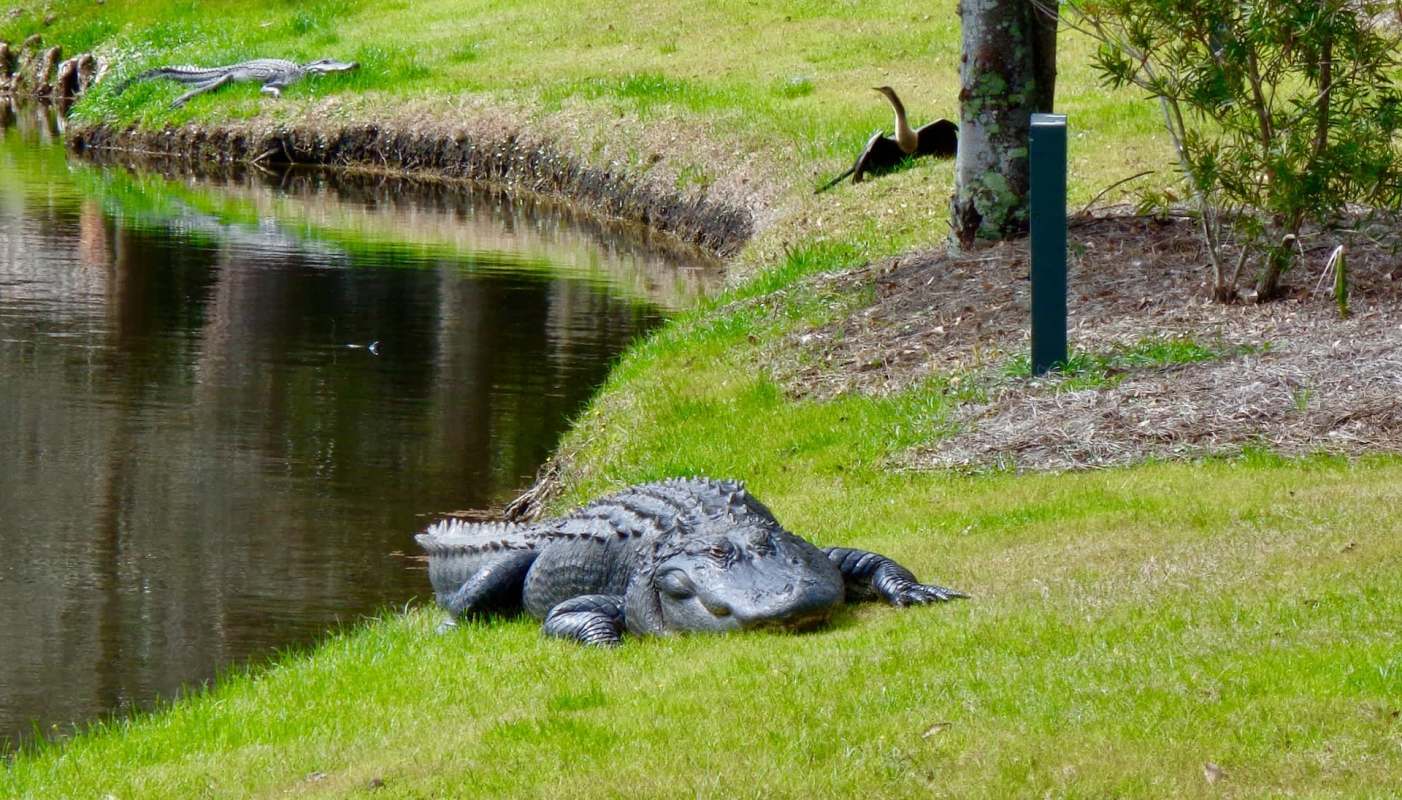
Florida wildlife officials confirmed that a 71-year-old fisherman was killed at Dr. Bradford Memorial Park near Lake Apopka in Winter Garden after a 12-foot alligator attacked him, Orlando Weekly reported.
Here's what to know
Officials identified the victim as Steve Hamilton.
He was fishing near Lake Apopka at about 5 p.m. on Oct. 16 when the attack happened, and responding Winter Garden police and fire crews pronounced him dead at the scene.
Florida Fish and Wildlife Conservation Commission trappers later killed the alligator. According to the FWC, Hamilton is Florida's second alligator-fatality victim in 2025.
In June, 31-year-old Brittany Clark died after an alligator bit her in the Econlockhatchee River, where she was with friends near the Barr Street Trailhead in the Little Big Econ State Forest in Seminole County.
Deadly alligator encounters are unusual in Florida, even though the reptiles are widespread.
TCD Picks » Quince Spotlight
💡These best-sellers from Quince deliver affordable, sustainable luxury for all




In this case, the victim was fishing from the shoreline at a public park, not swimming.
More background
Lake Apopka is well known for its alligator population, and the park where Hamilton was attacked is in an area where people regularly fish close to freshwater wildlife habitat.
The incident happened in a local recreation area, not a remote swamp.
Central Florida also saw two other reported alligator bites in June.
On June 21, a person was bitten while snorkeling in Marion County's Rainbow River, and on June 27, a child fishing at Nelson's Outdoor Resort suffered a hand bite from an 8-foot-7-inch alligator.
Alligator mating season runs through May and June, per the FWC, and hatching season comes in August and September. Those times of year also tend to bring more people to lakes and rivers for fishing, swimming, and other outdoor activities.
In an April 2025 study, University of Florida researchers identified the leading cause of alligator bite incidents in Florida as "risky human behavior." The study said attacks depend not only on where gators live, but also on how people move through and use those spaces.
A BBC report on human-wildlife encounters indicated they are becoming more common, largely because higher average temperatures and urban sprawl are forcing wild animals and people into closer contact.
What can be done?
University of Florida researchers advised people to avoid entering water and nearby areas where alligators are known to live.
That warning applies not just to swimming spots, but also to shorelines, boat launches, and fishing areas like those around Lake Apopka.
Winter Garden police and the FWC are investigating, and authorities asked anyone who witnessed the attack to contact Detective Kevin Burger at 407-656-3636, extension 6320.
People concerned about an alligator can call the FWC's Nuisance Alligator Hotline at 866-FWC-GATOR (866-392-4286).
The agency generally considers a gator a nuisance if it is 4 feet or longer, appears to threaten people, pets, or property, or is found somewhere it does not belong, such as a swimming pool, garage, or home.
With mating season in May and June and hatching season in August and September, people spending time around freshwater areas may need to be especially cautious about how close they get to the water's edge.
"Lake Apopka has tons of alligators in it, so that's not uncommon to see alligators in this part of town at all," Winter Garden Police Capt. Michael Mason told reporters.

Get TCD's free newsletters for easy tips, smart advice, and a chance to earn $5,000 toward home upgrades. To see more stories like this one, change your Google preferences here.







