


Restoration efforts have turned a 116-acre hunting property in Kent County, Maryland, into a legally protected wildlife haven.
Here's what to know
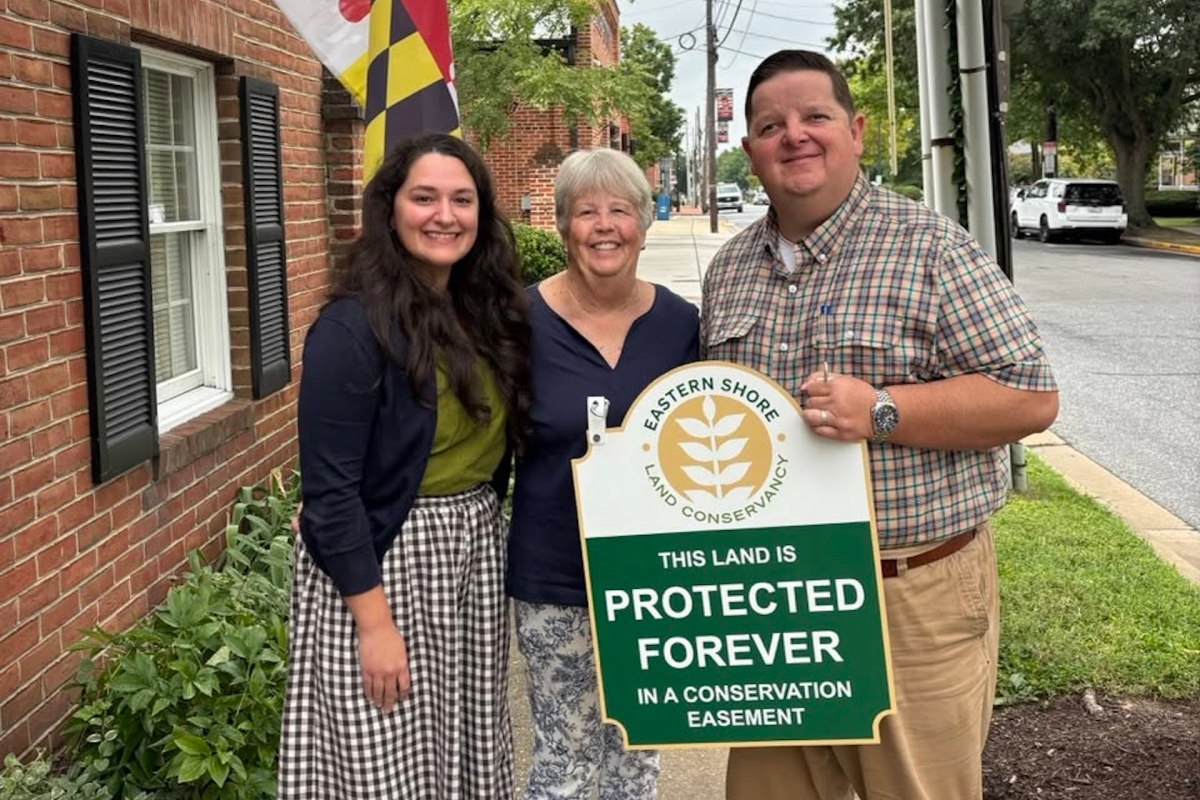
A 116-acre conservation easement, financed through the USDA and Maryland's Conservation Reserve Enhancement Permanent Easement Program, now protects Tavern Creek Farm, according to People. The agreement is the Eastern Shore Land Conservancy's (ESLC) 349th completed easement.
Louise and John Durocher first acquired the Kent County land for hunting before they began converting the acreage back into natural habitat by replanting with native species. Thousands of trees went in, including river birches, tulip poplars, sycamores, white oaks, loblolly pines, black walnuts, and pawpaws, alongside grasses, shrubs, and wildflowers.
"The first year we planted wildflowers, the coreopsis covered about five acres in gold," Louise recalled in a statement the ESLC shared on Facebook.
"I have had a long association with the Chesapeake," she said. "I always hoped to conserve the property to help protect the Bay."
More background
According to the ESLC, long hedgerows link the farm's open meadows with forest, creating food and cover for animals such as beavers, otters, opossums, muskrats, and many resident and migratory birds.
TCD Picks » Quince Spotlight
💡These best-sellers from Quince deliver affordable, sustainable luxury for all




The property contains 24 acres of woodland and 26 acres of wetlands, and more than 9,000 feet of it borders Tavern Creek. Trees and other vegetation along that stretch help protect water quality in the creek and in the Chesapeake Bay.
Protected shorelines and wetlands can help reduce runoff while preserving wildlife corridors.
Steve Kline, president and CEO of the ESLC, said, "We could not be prouder to protect and steward Tavern Creek Farm's diverse natural habitats."
What's being done?
Stewardship of the farm has passed to the Durochers' granddaughter, Sarah Starman, who has watched the habitat evolve.
"Seeing the farm become more beautiful and biodiverse because of my grandparents' work and our work is very rewarding," she said.
"Knowing that our farm will always be protected by ESLC provides security and stability," she said. "I feel even more motivated now to take good care of the farm and lay a strong foundation of conservation that future generations can build on."
Readers inspired by the Durochers can explore local environmental action in their own community or support land-protection efforts through the TCD Guide's page on donating to climate causes. Local backing helps groups like ESLC protect places such as Tavern Creek Farm for generations to come.
To Starman, that protection also helps preserve the family's connection to the land, including future days spent kayaking, fishing, watching ospreys, and gathering on the property.
"It's a very peaceful place," Starman said, "and I hope it stays that way."
Where can I learn more?
Across North America, other families and landowners are restoring habitats and protecting them for the long term too.
• In Ontario, a local couple protected over 50 acres of land filled with 10,000 trees.
• A family turned 67 acres into a resilient wildlife refuge shielded from future development.
• A ranch owner in Colorado used a conservation easement to preserve 675 acres.
• In Barre, Massachusetts, conservation partners won permanent protection for 800 acres of habitat.
• A North Carolina family ensured a buffered natural area will always border farmland.

Get TCD's free newsletters for easy tips, smart advice, and a chance to earn $5,000 toward home upgrades. To see more stories like this one, change your Google preferences here.







