


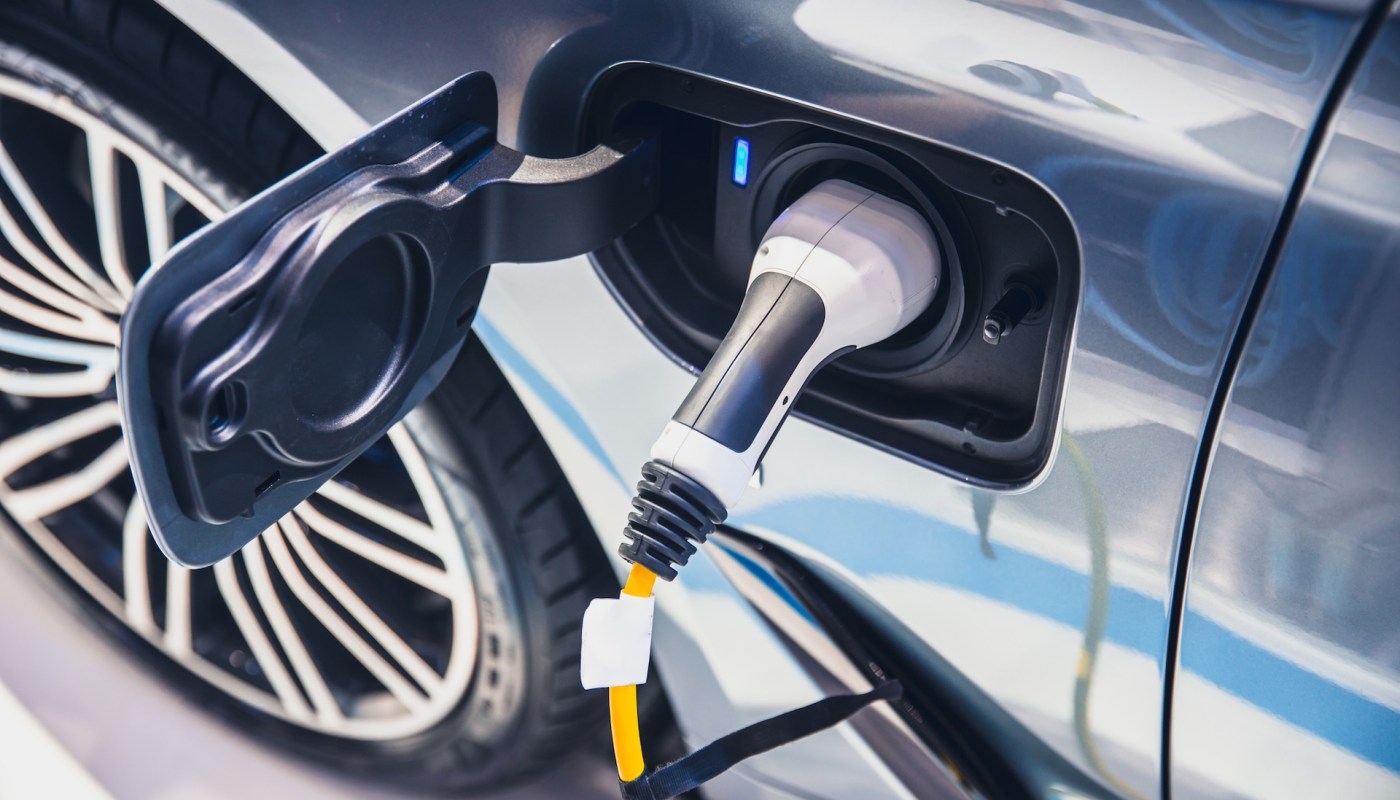
A fast-charge test of the Zeekr X challenges one of the most common talking points in the EV world: that an 800V architecture is the main reason some electric cars charge so quickly.
Here's what to know
In a video from Out of Spec Roaming (@OutofSpecRoaming), the creator argues that voltage alone does not determine charging speed — a distinction that could matter for shoppers trying to compare EVs fairly.
They used a Zeekr X in a video to argue that voltage should not be treated as the sole predictor of charging performance.
The creator's key takeaway was simple: "A battery that's good charges fast. A battery that's bad charges bad."
The video also walks through the basic math: charging power is the product of voltage and current.
As a result, a higher-voltage architecture can reach the same power level with fewer amps, which helps reduce heat and supports slimmer cables and more efficient components.
TCD Picks » Quince Spotlight
💡These best-sellers from Quince deliver affordable, sustainable luxury for all




The Zeekr X run illustrated the other side of the equation. Despite being a 400-volt model, it pulled 605 amps, hit 287 kilowatts, remained above 200 kilowatts to roughly 40% charge, and went from 10% to 80% in 14 minutes and 55 seconds.
More background
Consumers shopping for EVs often end up comparing standout spec-sheet labels, and "800V" has become one of the easiest to market.
In the creator's view, 800-volt platforms can be very good, but they do not become quick chargers by default. The battery pack still has to be able to accept energy at a high rate.
That is why a peak charging figure does not always tell the full story. Metrics like a 10%-to-80% session or the amount of usable driving range added during a brief stop can be more helpful in real use.
One commenter on the video praised that breakdown, writing, "800V matters from the chargers' end at least. Delivering the same amount of power from the charger at 800V vs 400V cuts the current by half. This reduces heat generation, hence reducing the amount of cooling and cable bulk required too."
For cities, companies, and charging operators, that could eventually mean less-complex equipment and less pressure on charging infrastructure.
What can be done?
When comparing EVs, it may be more useful to focus on 10%-to-80% charging times, charger compatibility, and the range a vehicle gains during a typical stop.
Delivery services, ride-hailing operators, and municipal departments may benefit more from vehicles that minimize downtime than from those with the most attention-grabbing specs.
One commenter put it bluntly: "Everything starts at cell level, doesn't matter 400V or 800V. Voltage is the consequence to make the most of it."

Get TCD's free newsletters for easy tips, smart advice, and a chance to earn $5,000 toward home upgrades. To see more stories like this one, change your Google preferences here.






