


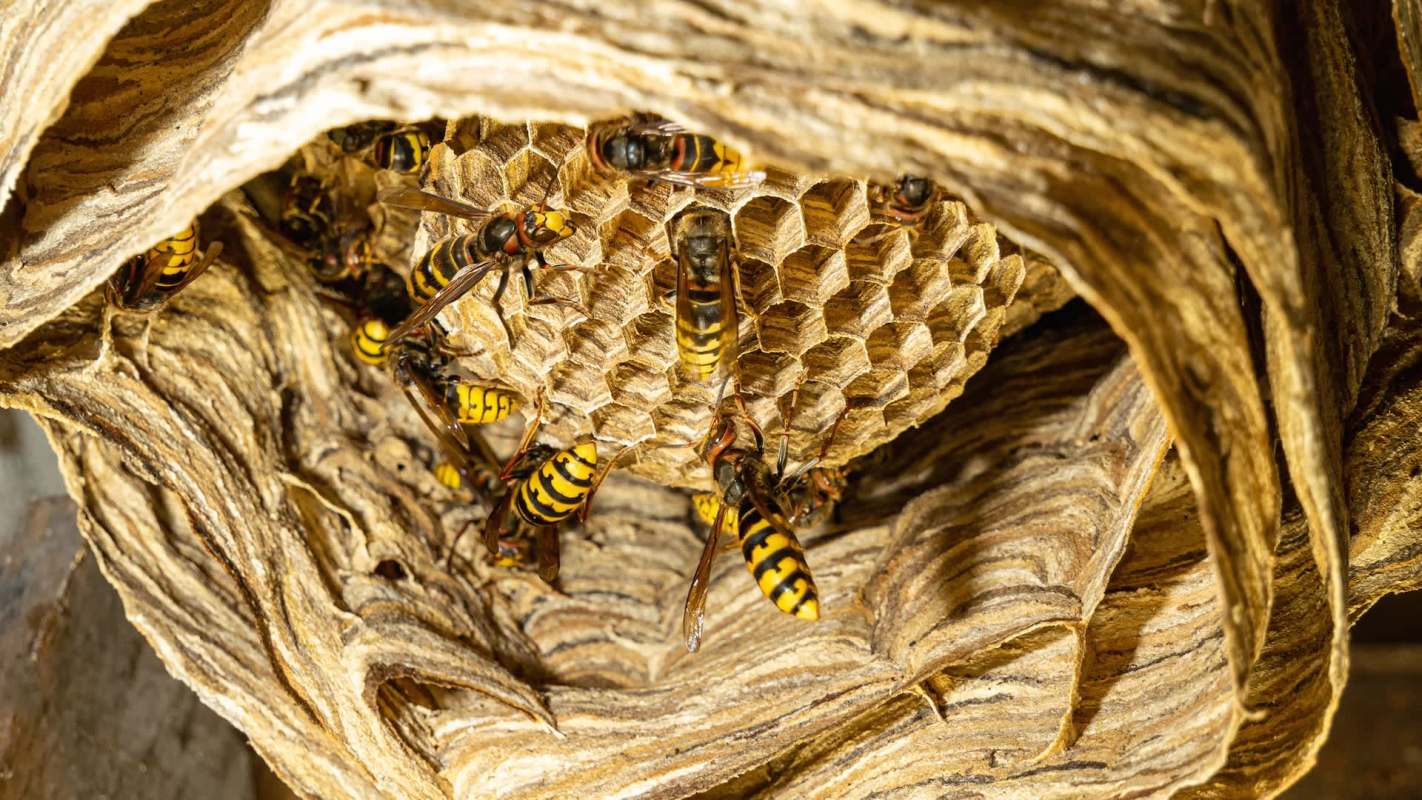
North Carolina officials say the invasive yellow-legged hornet has now been found as an established species in the state for the first time — a development that could increase pressure on honeybees and the people who rely on them.
What happened?
The discovery began when a Union County homeowner contacted the North Carolina Department of Agriculture and Consumer Services after seeing suspicious hornet activity at her hummingbird feeder. A follow-up survey later detected additional adult hornets near the Union-Mecklenburg county line.
According to Smoky Mountain News, state agriculture officials say this marks North Carolina's first established presence of the species. The department said survey, trapping, and response work involving NCDA&CS and the U.S. Department of Agriculture's Animal and Plant Health Inspection Service Plant Protection and Quarantine program is still underway. They warn beekeepers to keep watch for hornets around hives showing "hawking-like behavior."
Officials also say the nests can be much larger than other hornet nests and may look reddish and muddy rather than the gray often seen with bald-faced hornets. NCDA&CS says a nest would likely be about the size of a volleyball, though it can grow large enough to fill a pickup truck bed.
Why does it matter?
Because yellow-legged hornets prey on honeybees, an established population could put added stress on pollinators that support agriculture and community food production. If bee colonies are disrupted, the effects can reach beekeepers, growers, and home gardeners.
The department has warned that attacks on honeybees can lead to "reduced foraging and colony failure." Under that kind of pressure, bees may spend less time collecting nectar and pollen, weakening hives that people depend on for pollination and honey production.
TCD Picks » Quince Spotlight
💡These best-sellers from Quince deliver affordable, sustainable luxury for all




Pollinators support crops and backyard growing alike, so a new invasive predator could disrupt local ecosystems and food networks. According to the EPA, these insects help 90% of the world's flowering plants reproduce, contributing to healthy biospheres.
What's being done?
State and federal agencies are working to find and remove nests before the hornets can spread further. NCDA&CS said more than 200 survey traps have been placed near the Union County home where the adults were observed to locate the source nest and identify any additional populations early.
Homeowners and beekeepers across North Carolina are also being encouraged to help. The department has directed residents to an official webpage for yellow-legged hornets, where NCDA&CS says they can find instructions for building, reporting, and monitoring traps on their property. This is especially important for beekeepers who are on the front lines and can watch for unusual hornet activity around hives and learn to identify the insects and their nests.

Get TCD's free newsletters for easy tips, smart advice, and a chance to earn $5,000 toward home upgrades. To see more stories like this one, change your Google preferences here.






