


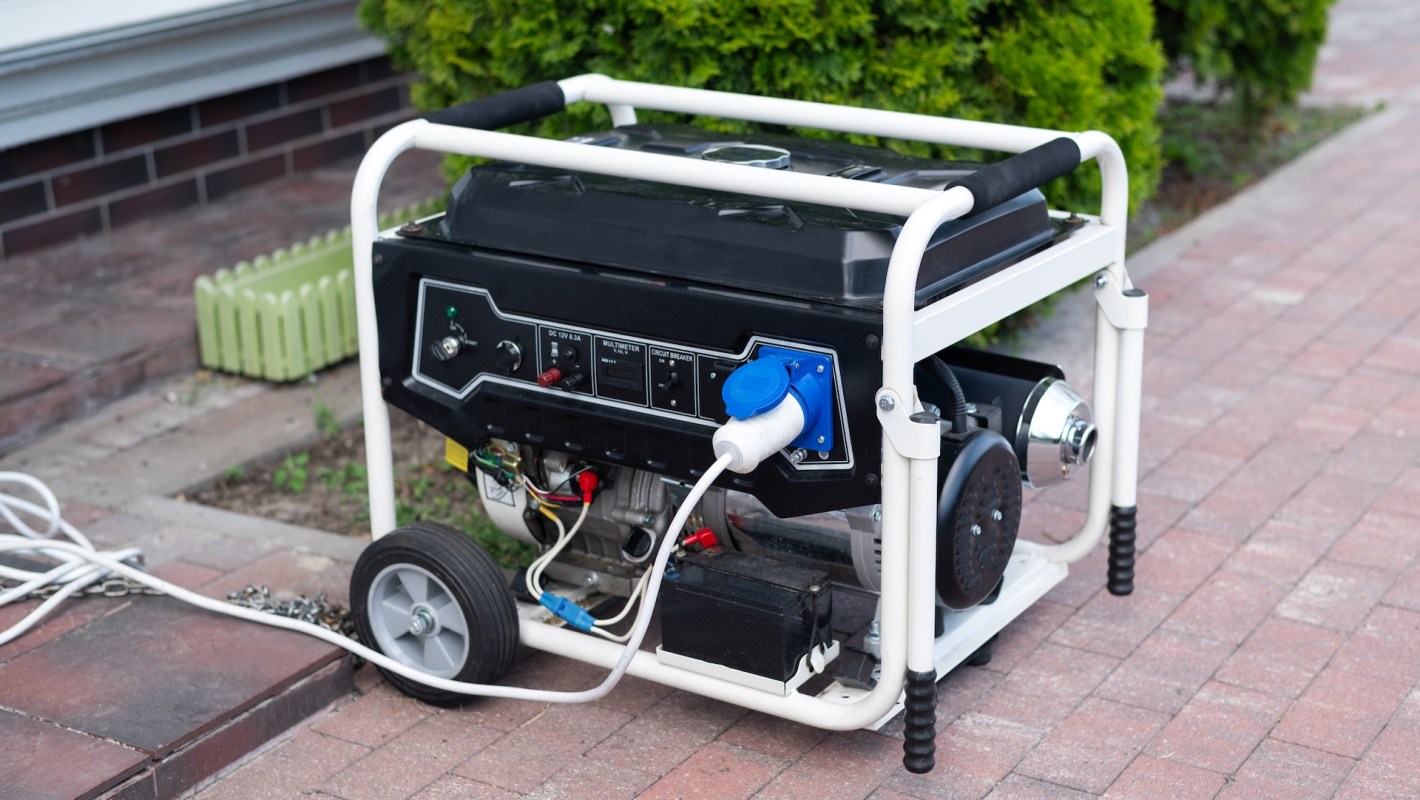
When one Reddit user inherited a small Yamaha generator from his late father, the machine became more than just a backup appliance — it raised a practical question about how to stay connected during a power outage without spending hundreds of dollars on new equipment.
For households trying to keep internet service running during storms or blackouts, that kind of hand-me-down can be a meaningful money-saver — if it can do the job safely.
What happened?
At the center of the Reddit thread was a Yamaha EF1000 portable generator that the poster kept after his father died.
The user said his father had bought it "as one of his preps" and asked whether the unit could safely power a standard Gen 3 Starlink or other household electronics.
The main question was not whether a 1,000-watt generator has enough capacity.
Several commenters noted that a Starlink setup uses relatively little power, with one user estimating that "a full-size Starlink dish draws 40-60w with a ~100 W peak at startup."
TCD Picks » Quince Spotlight
💡These best-sellers from Quince deliver affordable, sustainable luxury for all




Much of the discussion centered on power quality and efficiency. Some users cautioned that an older conventional generator may produce electricity that is less suitable for sensitive electronics.
One commenter put it plainly: "My generator killed my Starlink router. The power is too dirty."
Others said the older Yamaha could still be useful, particularly if paired with a battery setup.
As one commenter wrote, "It would be more efficient to run the starlink off a battery and to use the generator periodically to charge the battery."
Why does it matter?
The clearest benefit is cost savings. Reusing an existing generator could help avoid the expense of buying a new model outright, and commenters suggested that a smaller add-on, such as a UPS or a modest battery, may be far cheaper than replacing the entire system.
The original poster made it clear that money was tight, writing, "I cant afford to prep for shtf. I can barely afford to prep for natural disasters let alone 400+ for a battery bank or inverter."
Commenters responded with lower-cost alternatives.
One said, "You can get a $200 LiFePO4 UPS or a $200 EcoFlow that will run it for 3-5 hours," while another argued, "You can get a 1000wh LFP battery for about $100."
Running a generator continuously to support a 40- to 60-watt internet load can be inefficient, so a hybrid setup could help stretch fuel during an outage while also reducing noise and wear on the generator.
What can I do?
Multiple commenters suggested continuing to use a small, older generator carefully for less sensitive needs while building a backup system over time.
They mentioned adding a battery, UPS, or inverter later rather than trying to replace everything all at once.
Several replies suggested a two-step approach rather than plugging Starlink directly into the generator: use the generator to recharge a battery pack, then run Starlink from the battery.
That arrangement can help smooth out voltage swings and cut fuel use, which is why one commenter called it "the gold standard."
Commenters also said that even a basic UPS with automatic voltage regulation could provide an additional layer of protection between the generator and the electronics.
Another Redditor advised: "Plug it into an UPS with AVR (auto voltage regulation) and you'll be good."
The thread also suggested pricing out a small battery before assuming a $400-plus power station is necessary. A $100 to $200 add-on may be enough to keep internet access running for a few hours without requiring a major purchase.
"It's a fine machine in the meantime," one commenter wrote.
Another offered a simpler reminder for anyone trying to prepare on a budget: "Good job being more prepared for that than some."

Get TCD's free newsletters for easy tips, smart advice, and a chance to earn $5,000 toward home upgrades. To see more stories like this one, change your Google preferences here.






