


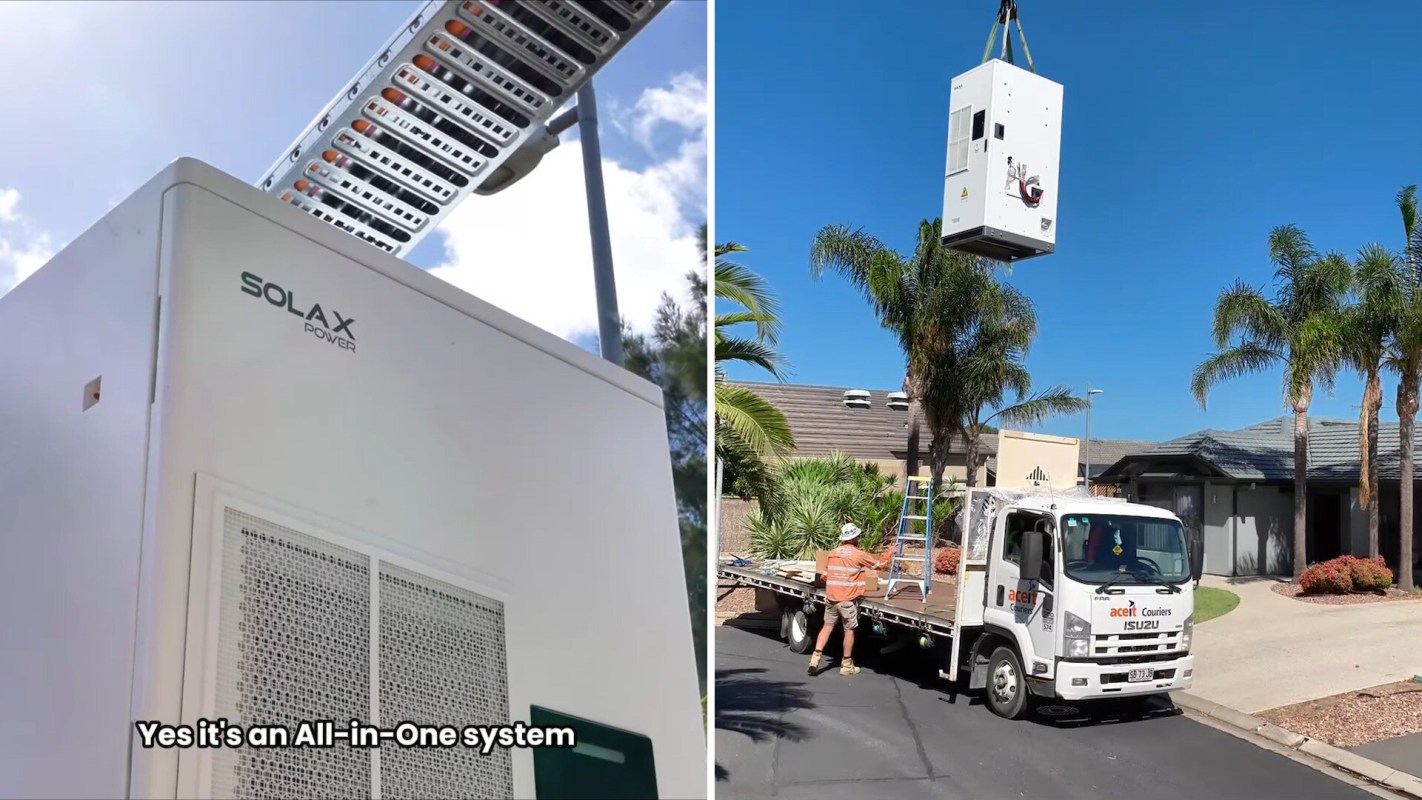
At Woodbridge Retirement Village in South Australia, a battery-and-solar project has driven the community center's electricity costs down to effectively zero.
The approach offers a possible path for other retirement communities looking to limit the impact of rising energy prices.
What happened?
Founded in 1979, the South Australian not-for-profit Woodbridge Retirement Village added a 100-kilowatt-hour integrated battery storage unit to reduce electricity costs at its community center.
More than 300 residents use the center, and features like a heated pool and spa make it a heavy energy user.
The financial pressure has been steep. According to Ecogeneration, the community center's annual electricity bill was about $21,000 in 2021 and is expected to reach roughly $45,000 by 2026. Because residents average 84 years old, the board made energy independence a priority to better shield people on fixed incomes from unpredictable power prices.
Going solar is one of the best ways for residents to save money on home energy. EnergySage's free tools allow homeowners to get quick installation estimates and compare quotes.
Paul Thorne, chief executive officer at Woodbridge Retirement Village, described the pressure facing residents to Ecogeneration: "Rising electricity costs are a major concern for our residents, the majority of whom are on an age pension or part pension."
He added, "By investing in solar energy storage, we're helping our residents live their best, independent lives."
Save $10,000 on solar panels without even sharing your phone number Want to go solar but not sure who to trust? EnergySage has your back with free and transparent quotes from fully vetted providers that can help you save as much as $10k on installation. To get started, just answer a few questions about your home — no phone number required. Within a day or two, EnergySage will email you the best local options for your needs, and their expert advisers can help you compare quotes and pick a winner. |

The system's performance is visible to residents, too. Using the SolaX Power Australia Cloud platform, they can follow energy generation, storage, and consumption in real time and see the savings as they happen.
Why does it matter?
For older adults, rising energy bills can quickly translate into higher maintenance fees and harder budgeting at home.
Joey Zhang, general manager at SolaX Power Australia, said the message extends far beyond one property: "Energy costs don't discriminate, but they hit hardest for people on fixed incomes."
"What Woodbridge has done is take back control, with the savings going straight back into the services that matter to residents," Zhang said.
More From EnergySage
💡Go deep on the latest news and trends shaping the residential solar landscape
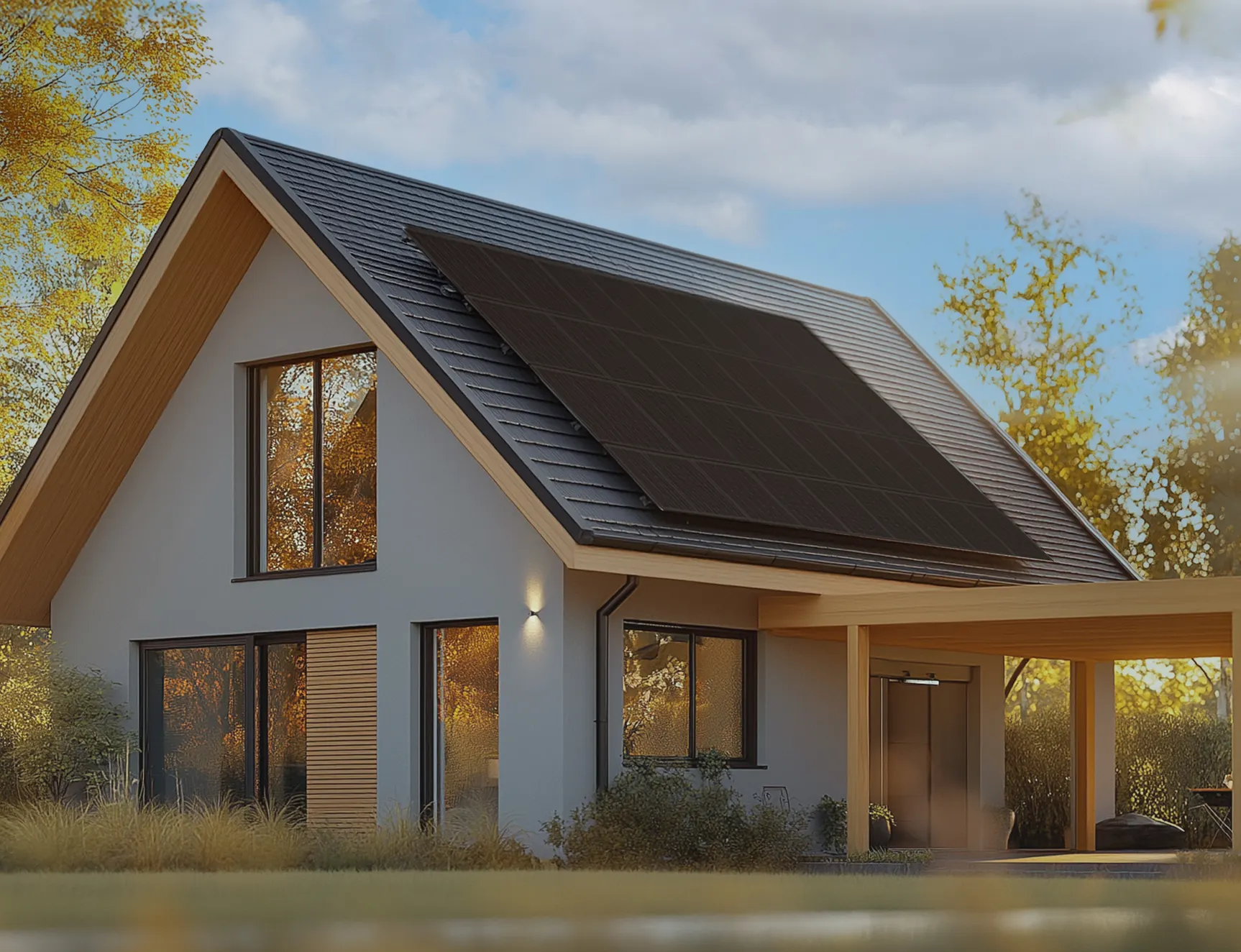
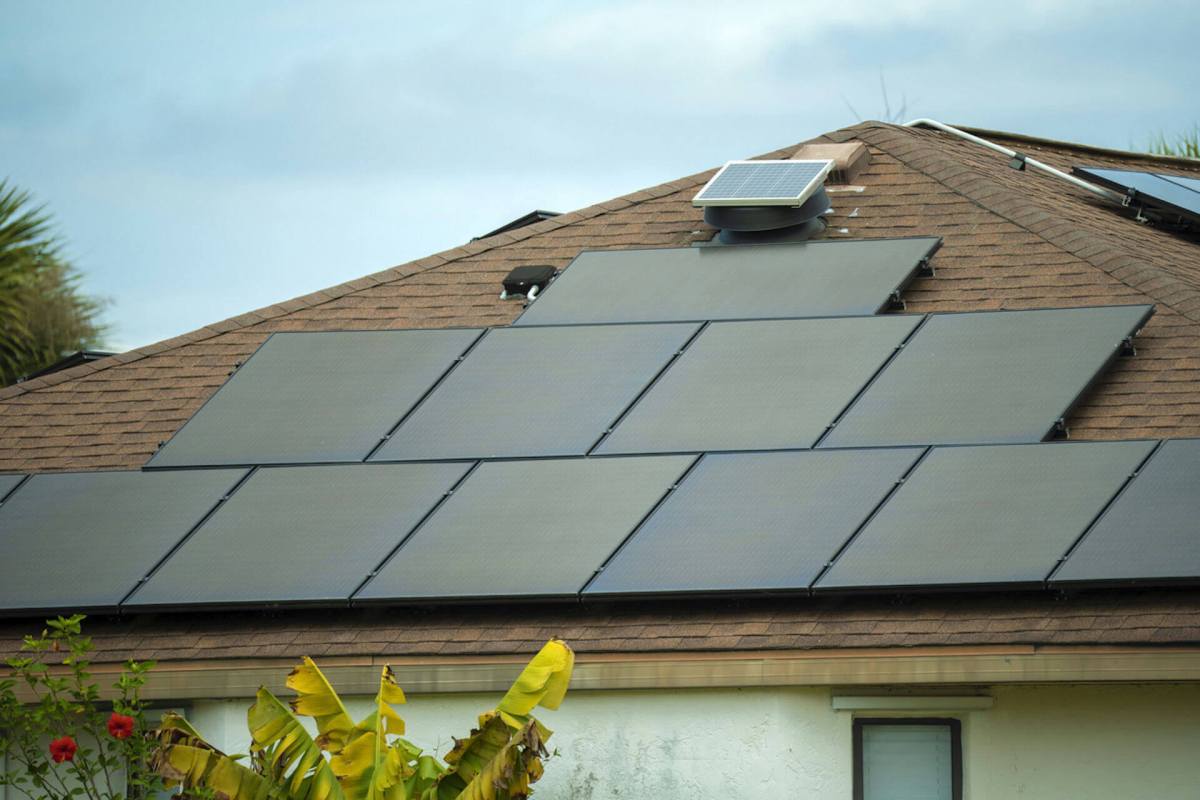
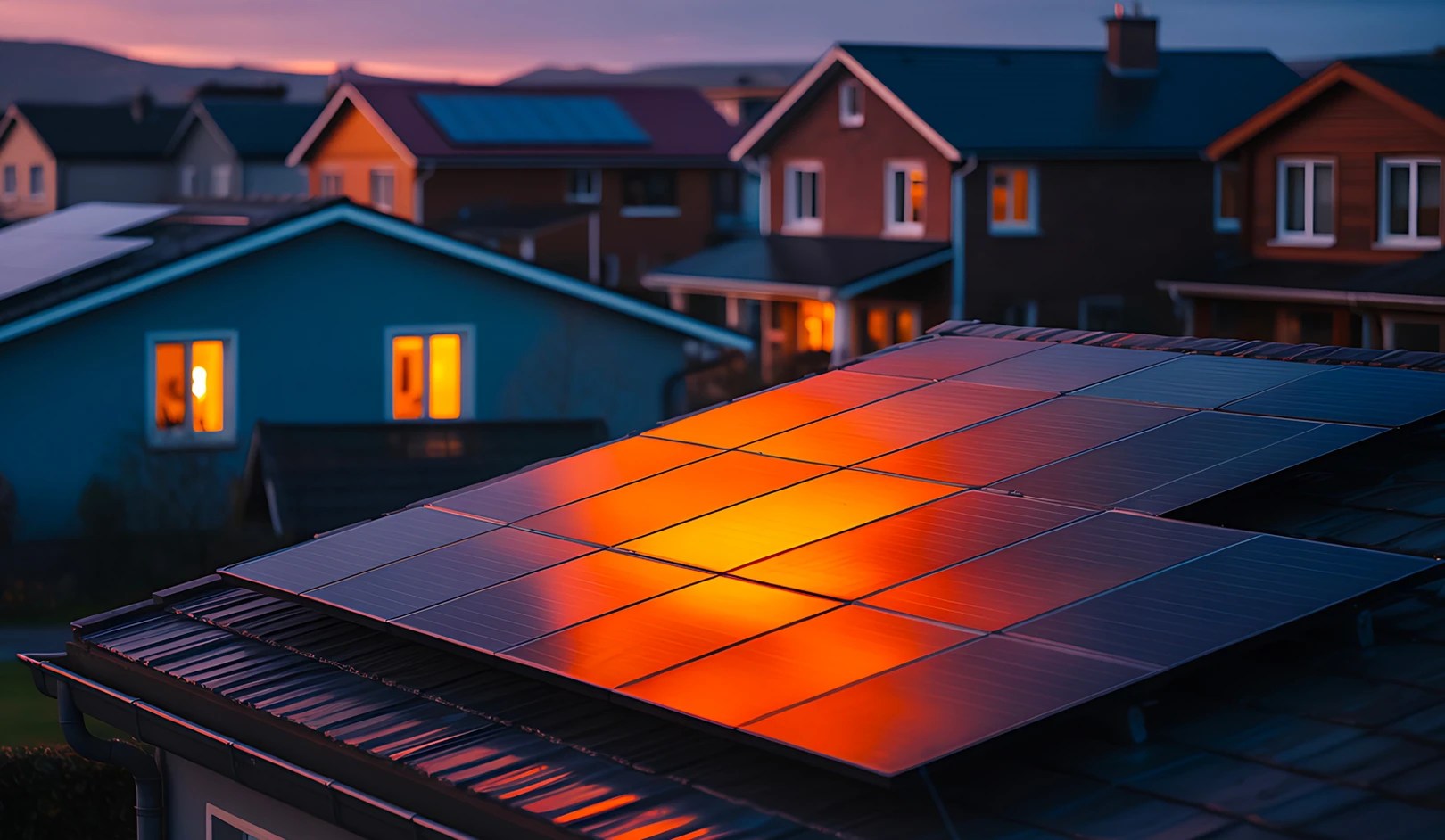

A battery-backed solar system can help stabilize those costs while also making essential shared spaces more reliable during blackouts or extreme weather, an especially important benefit for facilities that provide services throughout the day.
The potential benefits also extend beyond a single retirement village. If more communities, businesses, and apartment-style developments adopt solar paired with storage, they may be able to reduce strain on the grid, save money over time, and keep important buildings running during outages.
With EnergySage's help, the average person can save up to $10,000 on solar purchases and installations. EnergySage's solar map shows the average cost of installation state-by-state.
Battery storage is another great way for people to save money and have peace of mind during power outages. EnergySage's free tools give you information about battery storage options and installation estimates.

Get TCD's free newsletters for easy tips, smart advice, and a chance to earn $5,000 toward home upgrades. To see more stories like this one, change your Google preferences here.






