


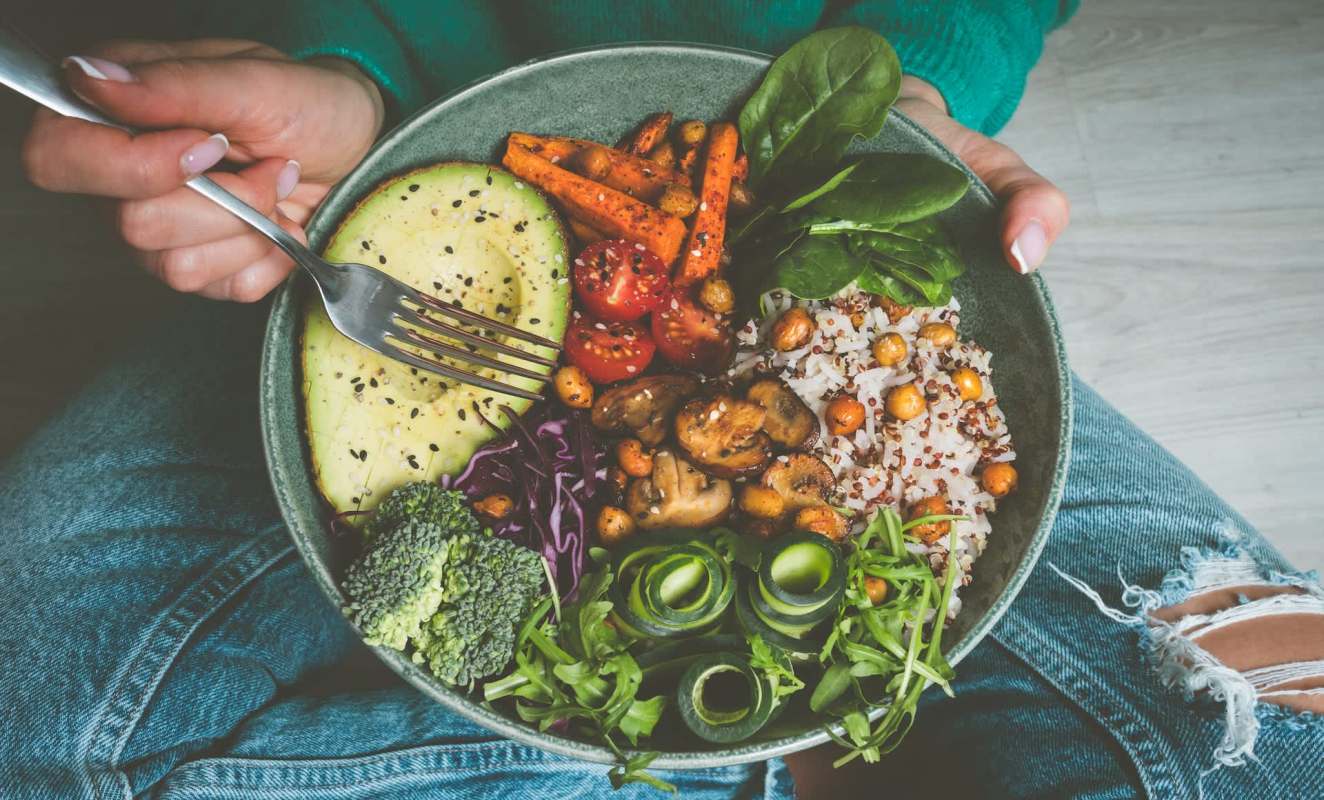
Findings from an analysis of more than 57,000 women showed that those following vegetarian or vegan diets were less likely than nonvegetarians to report recurring urinary tract infections.
While the research cannot prove that diet itself caused the difference, Conexiant reported that the results, which were presented at the 2026 meeting of the American Urological Association, added to growing interest in whether diet could help reduce the common and frustrating health problem.
What's happening?
Craig Comiter, a professor of urology at Stanford University School of Medicine, presented the cross-sectional analysis of data from 57,252 women at the meeting.
Comiter reported that 13% of the women had a history of recurrent UTIs. Recurrent UTIs ranged from 10% in vegans to 14% in both nonvegetarians and pesco-vegetarians, with lacto-ovo vegetarians at 12%.
Even after adjustment for age, body mass index, race, diabetes, and menopausal status, compared with nonvegetarians, the odds of recurrent UTIs were 23% lower among lacto-ovo vegetarians and 31% lower among vegans.
Comiter suggested that exposure to bacteria from animal products could be one reason for the difference. "People who eat meat can be exposed through handling and consumption of these E. coli bacteria that settle in the gut," he explained, per Conexiant.
TCD Picks » Quince Spotlight
💡These best-sellers from Quince deliver affordable, sustainable luxury for all




Why does it matter?
Recurrent UTIs are extremely common and can lead to repeated antibiotic use, which can be physically draining, expensive, and frustrating. Researchers are looking beyond antibiotics for prevention strategies that may be easier to sustain over time.
Michelle Van Kuiken, an assistant professor of urology at the University of California, San Francisco Department of Urology, said the findings build on earlier research in this area.
"This is not the first study to examine the impact of plant-based diet on recurrent UTIs in women, and while the effect is small, it does add to a growing body of literature that supports the idea that diet may have a small, but tangible influence on UTIs risk," she said, according to Conexiant.
It is important to note that the findings show a pattern, not proof of cause and effect — factors other than diet may also have contributed to the differences seen between groups. For this reason, the study does not support replacing proven medical care with diet changes alone.
What's being done?
Researchers say stronger evidence is needed. Comiter said a logical next step would be research on women with recurrent UTIs who shift away from meat or fish diets toward vegetarian or vegan eating.
Scientists also want to better understand the mechanisms involved. The current study did not directly test whether meat exposure, gut microbiome changes, higher fiber intake, inflammation, or urine chemistry explained the differences between dietary groups.
Experts stressed that patients and providers should stick with established care for now. "We cannot make definitive dietary recommendations based off these studies," Van Kuiken said, pointing to evidence-based prevention strategies in the 2025 AUA/SUFU Guideline.
"In general," meanwhile, Comiter did say, "less virulent bacterial strains occupy the gut of those who eat a plant-based diet."

Get TCD's free newsletters for easy tips, smart advice, and a chance to earn $5,000 toward home upgrades. To see more stories like this one, change your Google preferences here.






