


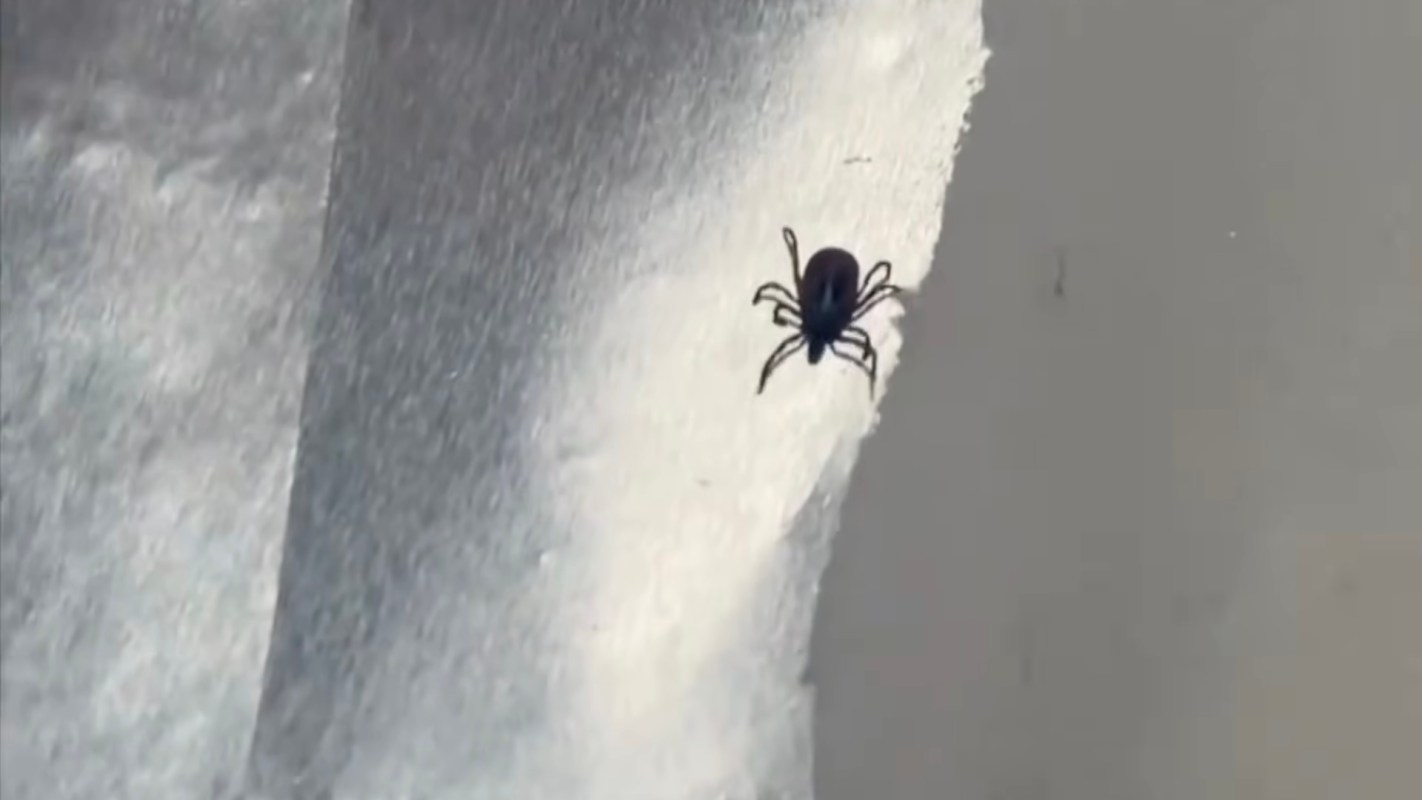
One woman's effort to find answers about a strange medical condition following a tick bite led somewhere unexpected, according to The Weather Network.
After first suspecting that she had developed a meat allergy due to the tick bite, a different illness — anaplasmosis — was later identified through testing.
What's happening?
What appeared to be an unusual reaction to a tick bite turned into a medical case that showed how difficult some infections can be to recognize.
As The Weather Network reported, Nova Scotia resident Melissa Baines thought she had been bitten by a lone star tick from which she suspected she had contracted a meat allergy caused by alpha-gal syndrome. But testing during a hospitalization found that it was anaplasmosis.
The bacterial disease, which is spread by infected deer or black-legged ticks, is being seen more frequently in Canada as temperatures rise.
Why is this concerning?
Tick-borne illnesses can be easy to miss at first. Some people may connect a bite to a rash, fever, fatigue, or body aches, while others may not.
TCD Picks » Quince Spotlight
💡These best-sellers from Quince deliver affordable, sustainable luxury for all




When a condition resembles an allergy or another common illness, that can delay proper treatment. A single tick bite can raise several medical concerns, so getting the right diagnosis may take more than one round of testing.
According to the Centers for Disease Control and Prevention, delayed care or preexisting medical complications can result in severe illness in those infected with the bacteria Anaplasma phagocytophilum. The CDC also notes that symptoms of severe illness can include respiratory failure, bleeding problems, organ failure, and death.
Fortunately, anaplasmosis can be treated with antibiotics. But the best way to prevent the condition is to avoid being bitten by ticks in the first place.
What can be done?
If you spend time outdoors in areas where ticks may live, you will want to wear long sleeves and long pants when possible, use an approved tick repellent, and check your body, clothes, pets, and gear when coming back inside.
If you find a tick attached to your body, remove it promptly with fine-tipped tweezers and clean the affected area. It can also help to note when and where the bite likely happened, since that information may be useful in making a diagnosis.
Never dismiss unusual symptoms after a bite. If you later experience fever, fatigue, pain, a rash, or unexpected reactions after spending time outdoors, tell a health care provider about any possible exposure.

Get TCD's free newsletters for easy tips, smart advice, and a chance to earn $5,000 toward home upgrades. To see more stories like this one, change your Google preferences here.






