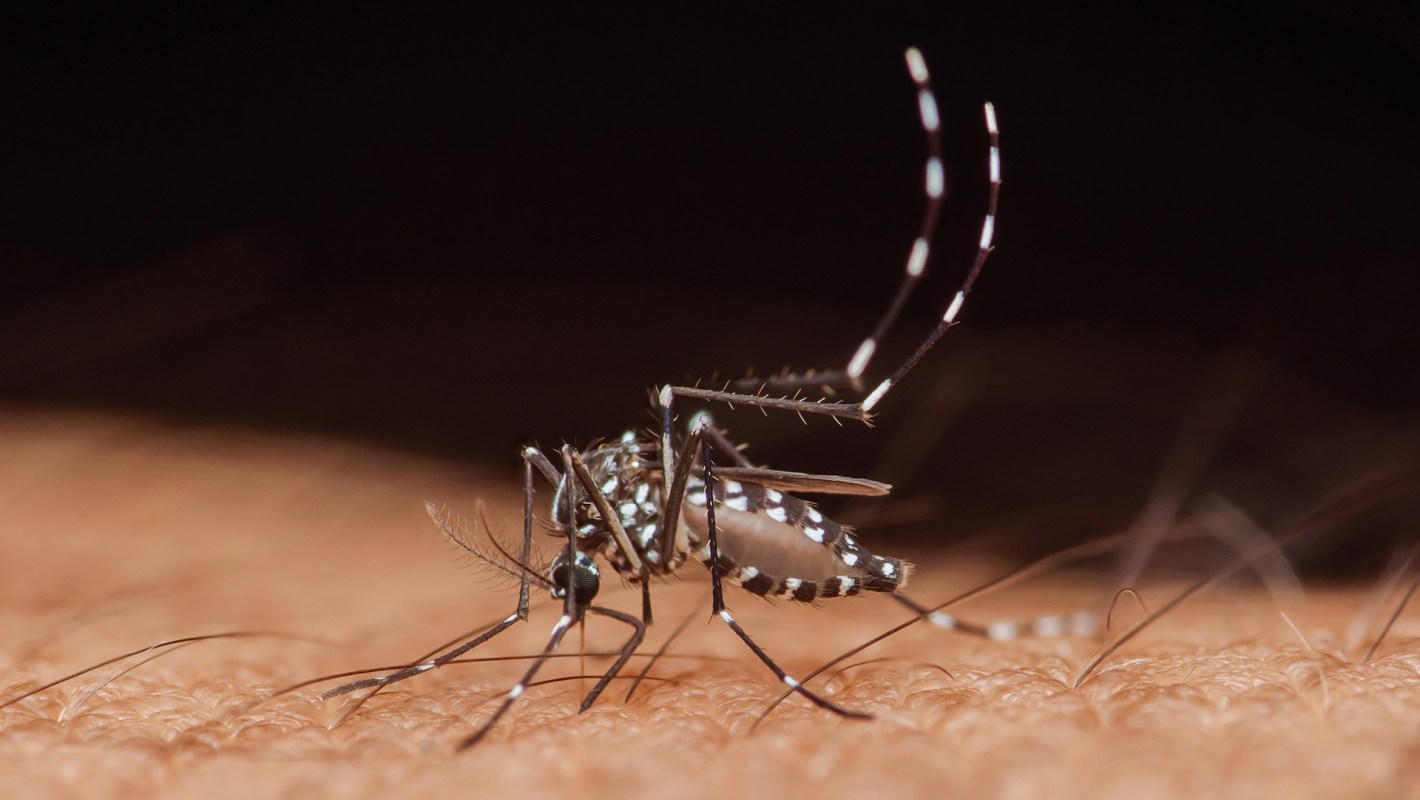
Scientists working to prevent mosquito-borne diseases are turning to an unexpected ally: more mosquitoes.
Here's what to know
Schoolchildren in Brazilian neighborhoods with Wolbachia-carrying mosquitoes experienced roughly 69% fewer dengue and chikungunya infections, researchers reported.
The findings offer hope for communities facing these diseases.
Researchers compared infection rates across similar neighborhoods in a Brazilian dengue hot spot, following more than 5,700 children to assess the difference associated with Wolbachia-carrying mosquitoes, according to 1News.
The international team presented its findings at an American Society of Tropical Medicine and Hygiene meeting. Team member Dr. Sri Edupuganti, an Emory University researcher, said the protection held during Brazil's severe 2024 dengue outbreak.
1News noted that the findings also surfaced as Florida deals with an unusually large outbreak for the state. Health officials had recorded over 650 locally acquired dengue infections, with roughly 75% in Hillsborough County, where Tampa is located.
TCD Picks » Quince Spotlight
💡These best-sellers from Quince deliver affordable, sustainable luxury for all




International travelers account for most dengue diagnoses in the continental United States. Florida's outbreak, however, appeared larger than those recorded in other U.S. states going back to at least the 1940s.
What's being done?
Dengue-carrying Aedes aegypti mosquitoes do not ordinarily carry Wolbachia, bacteria that are widespread among insects and harmless to humans. Scientists breed mosquitoes to carry them, an approach the nonprofit World Mosquito Program has led abroad.
Female mosquitoes pass Wolbachia to their offspring, allowing the bacteria to spread through local mosquito populations after enough specially bred males and females are released. Mosquitoes carrying the bacteria are much less able to transmit certain viruses.
In the U.S., Google's Debug initiative is seeking federal approval to release sterilized male mosquitoes in Florida and California, 1News reported. Releasing both sexes, as the Brazilian strategy does, allows Wolbachia to become established across generations.
Dr. David Hamer, a global health expert at Boston University, predicted that many places could "knock dengue down to much lower levels" by combining broader use of Wolbachia mosquitoes with existing prevention measures.
Where can I learn more?
Wolbachia-carrying mosquitoes offer one way to reduce the disease risks communities face. These stories explore dengue and West Nile cases, mosquito breeding control, mosquito attraction, and swarms disrupting daily life.
• In Florida, Hillsborough County's dengue cases reached 223, with many infections going unnoticed.
• Pinellas County, Florida, waived tire disposal fees to curb mosquito breeding and dengue risk.
• New York's West Nile cases surpassed all of 2025 as warmer weather boosted mosquitoes.
• Florida International University researchers found no universal mosquito magnet among people exposed to mosquitoes.
• In Maryland, Dorchester County residents faced overwhelming mosquito swarms that made stepping outside impossible.

Get TCD's free newsletters for easy tips, smart advice, and a chance to earn $5,000 toward home upgrades. To see more stories like this one, change your Google preferences here.