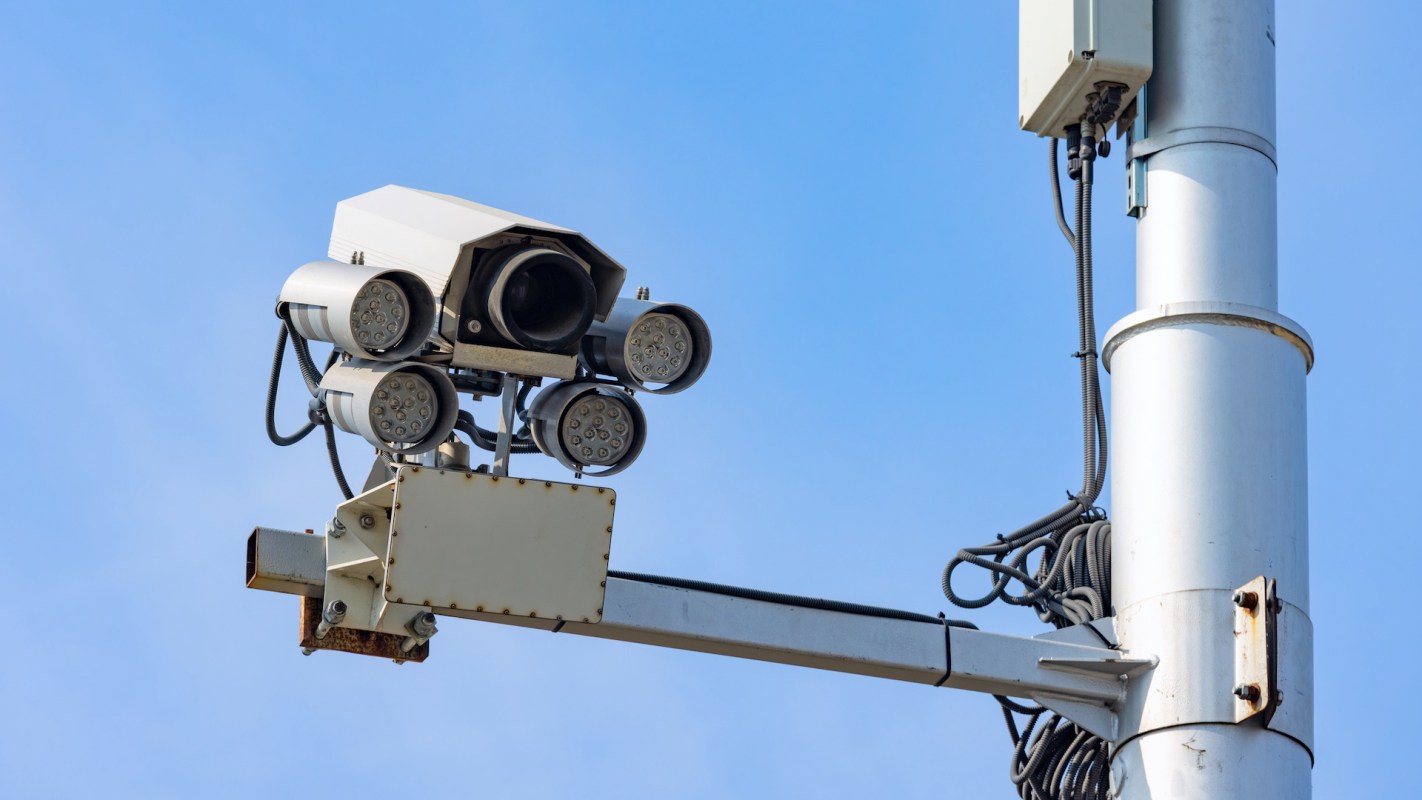
Winona, Minnesota, is missing all eight of its automatic license plate readers after someone appears to have cut down the poles and taken the cameras.
The disappearance has angered police and revived arguments over surveillance, privacy, and the public cost of replacing damaged equipment.
What happened?
The cameras were part of Winona's Flock license plate reader system, a type of technology that has become increasingly common and controversial in communities across the United States.
The Winona Police Department announced the problem in a Facebook press release, saying that "all eight of our city's Flock cameras were missing." Police said they first realized something was wrong on the night of August 1, when an officer saw that there had been no camera activity.
After that, officers went out to the camera sites. "Officers subsequently checked the various locations where the Flock cameras were placed and found that the poles were cut down near the base," the release said. "Officers located the poles nearby in the weeds, but the cameras had been removed."
Police said the cameras still had not been found as of August 4. The department estimated that replacing the eight cameras and their poles could cost about $24,000, with another $16,000 potentially owed in company service fees, per Futurism.
TCD Picks » Quince Spotlight
💡These best-sellers from Quince deliver affordable, sustainable luxury for all




Online, many reactions showed little sympathy. In the comments under the department's Facebook post, one person joked, "Whoever you're suspecting was actually on a fishing trip with me between July 29th and August 1st."
Why does it matter?
Debates over Flock's plate-reader systems often focus on the same core issues, including persistent surveillance, how long collected data is kept, and the ways police can use tracking tools.
For residents and privacy advocates, these cameras represent a loss of anonymity in everyday life, regardless of what they're doing.
The episode also shows how distrust can deepen when new technology arrives faster than public consensus can form. If residents feel their concerns are being ignored, frustration can harden into backlash rather than productive oversight.

Get TCD's free newsletters for easy tips, smart advice, and a chance to earn $5,000 toward home upgrades. To see more stories like this one, change your Google preferences here.