


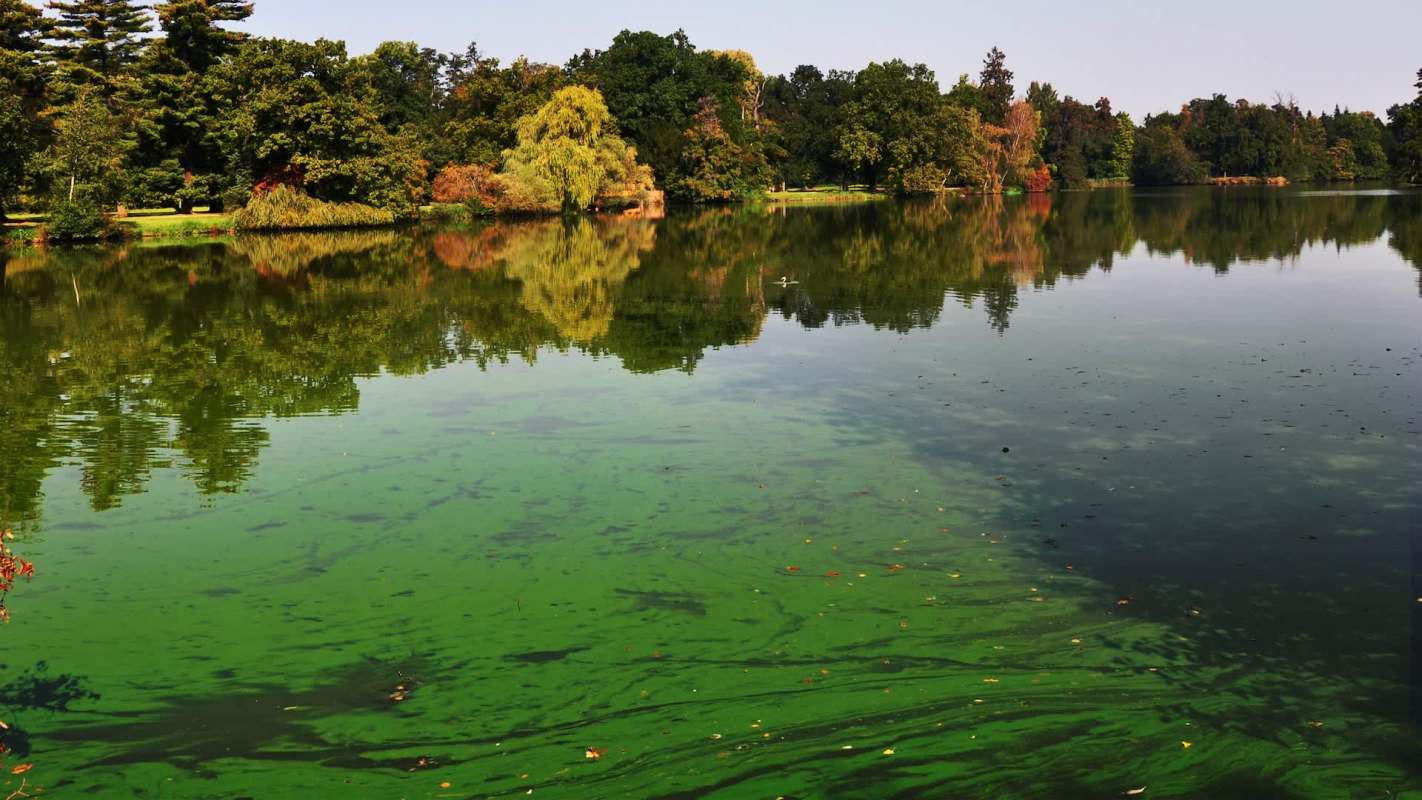
An impromptu visit to a park in England ended up launching an engineering trial when a University of Bath academic arrived to find the lake shut down over toxic blue-green algae.
That closure later led researchers to develop a machine to break up the bloom, offering a possible way to return repeatedly affected waters to use.
Here's what to know
Warminster Pleasure Grounds has been dealing with recurring blue-green algae blooms in its lake, forcing activity closures for months at a time, according to BBC News. The park drew more than 168,000 visits between January and October, making the disruption especially noticeable for local residents.
The lake is normally used for boating, and the park is also home to an active model boat club. During bloom periods, however, warning signs have ringed the water, shutting down one of the park's main attractions.
Kevin Whitehorn, estates manager for Warminster Town Council, said the problem has been getting worse over time.
"Every year it gets worse and worse with climate change," Whitehorn said.
TCD Picks » Quince Spotlight
💡These best-sellers from Quince deliver affordable, sustainable luxury for all




He added, "Water levels in the lake have gone down which meant the blue-green algae has grown even more than it has done in the previous years."
More background
Warm weather can help the organism spread quickly, and despite its common name, blue-green algae is not true algae but a type of cyanobacteria. If people or animals swallow it, it can be harmful.
Dr. Sanjay Nagarajan, of the University of Bath's Institute for Sustainability and Climate Change, reached out to the council after a trip to the park with his child left him staring at the closed lake and thinking about a possible trial.
His colleague, Dr. Madhubalaji Chegu Krishnamurthi, who has studied algae for a decade, said some algae are beneficial while others are harmful.
"Whenever the bad algae grows more, because of the nutrients in the lakes, it will release the various toxins that are very harmful for humans," he said.
The bloom usually recedes in colder weather but returns in summer, when people are most likely to use the lake.
What's being done?
Working with colleagues and a Ph.D. student, Nagarajan built a machine that uses a bubble-based reactor to degrade the bloom. The reactor itself isn't new, but the team's use of it is.
The setup moves water using a generator and equipment more commonly associated with home beer brewing. A small box attached to the setup serves as the reactor, where the main treatment takes place.
Nagarajan said the process depends on cavitation.
"If you take a small drinks can, fill it up with some water, heat it up and then invert it into an ice bath, it gets crushed. That's exactly what happens inside the reactor and we call it cavitation," he explained.
Nagarajan continued, "Whenever we are able to manipulate the conditions to produce these cavitation bubbles, these bubbles will actually be crushed or imploding."
"Once the implosion happens those effects will help in destroying the bloom," he added.
With positive early results, the team now plans to publish its findings and pursue funding for a larger version that councils dealing with similar outbreaks could borrow.
Nagarajan said the early data suggests the concept could become a practical tool for public use, "We've seen up to 20% degradation in terms of toxins and we've also seen a lot of the algal cells being destroyed because of the effect of cavitation."
Where can I learn more?
Toxic algae is disrupting waterways far beyond this Wiltshire lake. These stories cover cleanup technology, public health warnings, and closures affecting rivers, ponds, and bathing sites.
• In Maryland, crews installed a device that turns harmful algae blooms into cleanup tools.
• In Massachusetts, authorities told people and pets to avoid a Charles River stretch.
• In London, the Thames bathing site faced a toxic algae warning months after opening.
• In Massachusetts, veterinarians said blue-green algae in ponds can kill dogs within hours.

Get TCD's free newsletters for easy tips, smart advice, and a chance to earn $5,000 toward home upgrades. To see more stories like this one, change your Google preferences here.






