


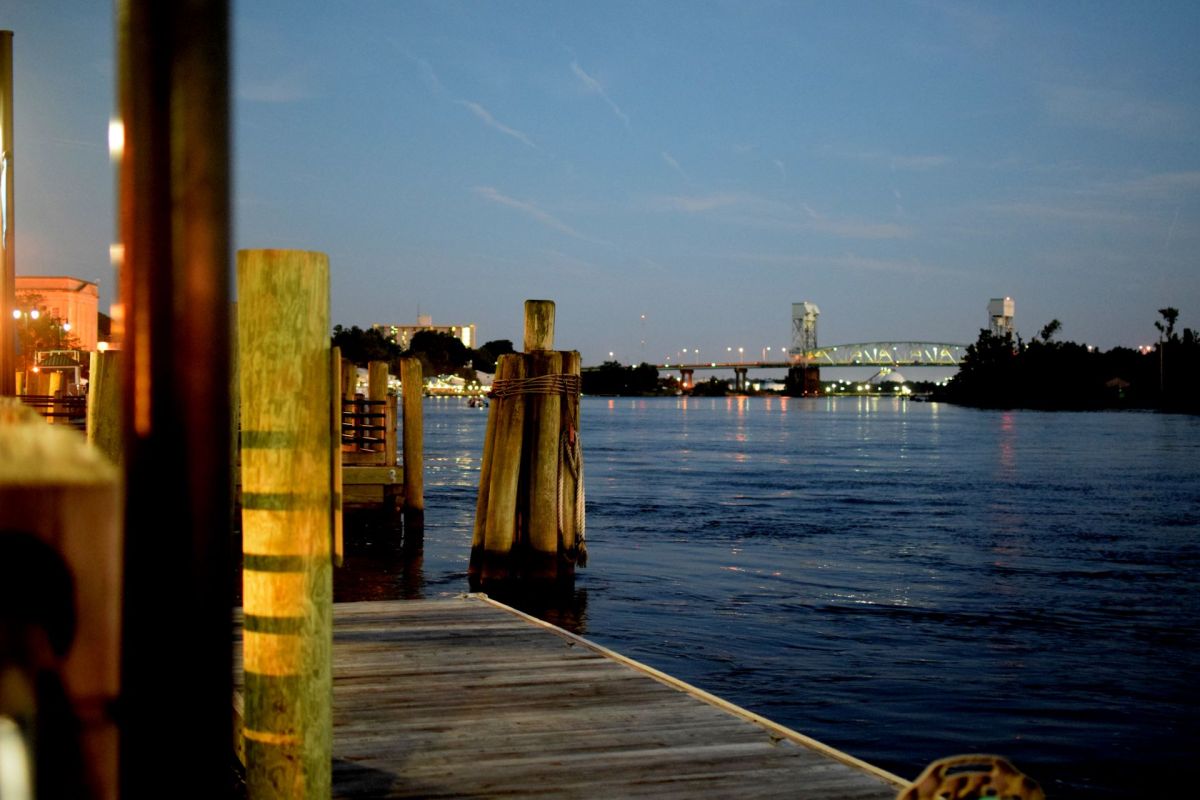
North Carolina's plan to deepen Wilmington Harbor is paused while state port officials take a closer look at environmental questions, including whether work in the Cape Fear River could disturb PFAS, the "forever chemicals."
Here's what to know
State port officials have asked the U.S. Army Corps of Engineers to halt the proposed Wilmington Harbor deepening effort, WWAY reported. If completed, the project would have deepened about 26 miles of the Cape Fear River, increasing the channel from 42 feet to 47 feet so bigger container ships could access the Port of Wilmington.
Brian Clark, the executive director of the North Carolina State Ports Authority, told the Corps in a letter that the project still appears economically valuable, but its possible environmental effects need more study.
"While we are certain the economic benefits from such a project could have lasting positive impact on the entire state, what has become clear during this process is a need to pause and give adequate study and reflection to the potential environmental impacts of a project of this magnitude," Clark wrote, per WWAY.
Environmental advocates who had spoken against the proposal at public hearings praised the delay. Clean Cape Fear co-founder Emily Donovan said, "Smart decision. Absolutely the best thing that the state could have done," WWAY reported.
Donovan said it mattered to her that the ports authority explicitly mentioned PFAS in explaining the pause.
TCD Picks » Quince Spotlight
💡These best-sellers from Quince deliver affordable, sustainable luxury for all




"Especially the fact that they highlighted PFAS because we know now certain PFAS are designated as hazardous substances," Donovan said.
More background
Kemp Burdette of Cape Fear River Watch said the harbor proposal involved more than just the question of dredging up PFAS and making room for larger ships.
"This project was definitely going to have impact above and beyond just dredging up PFAS," Burdette said, according to WWAY.
Other issues Burdette cited included flooding, saltwater intrusion, mitigation, and harm to important bird and fish habitat in the Cape Fear River area.
Donovan said community members were still dealing with a deep loss of trust after discovering that their tap water had contained very high levels of PFAS without their consent.
Donovan had traveled to Switzerland to address the United Nations Human Rights Council about PFAS-related harms.
What's being done?
The Ports Authority's request that the U.S. Army Corps of Engineers suspend the project gives officials additional time to examine environmental risks, including the possibility that PFAS in the Cape Fear River could be disturbed, WWAY reported.
During a series of public hearings, both Clean Cape Fear and Cape Fear River Watch objected to the proposal, and Donovan said the pause shows what can happen when communities and organizations work together to press their concerns.
Burdette has also raised concerns about flooding, habitat damage, and saltwater intrusion. Donovan said, "So I think at this point, the question now becomes, what are we willing to consent to?"
Where can I learn more?
For more on PFAS, these stories offer useful context.
• In North Carolina, regulators are weighing new limits on PFAS and 1,4-dioxane in the Haw River.
• A North Carolina landfill was tied to the state's highest PFAS levels in residents' tap water.
• Officials in the Chesapeake Bay say hidden toxins in waterways have reached unacceptable levels.

Get TCD's free newsletters for easy tips, smart advice, and a chance to earn $5,000 toward home upgrades. To see more stories like this one, change your Google preferences here.






