


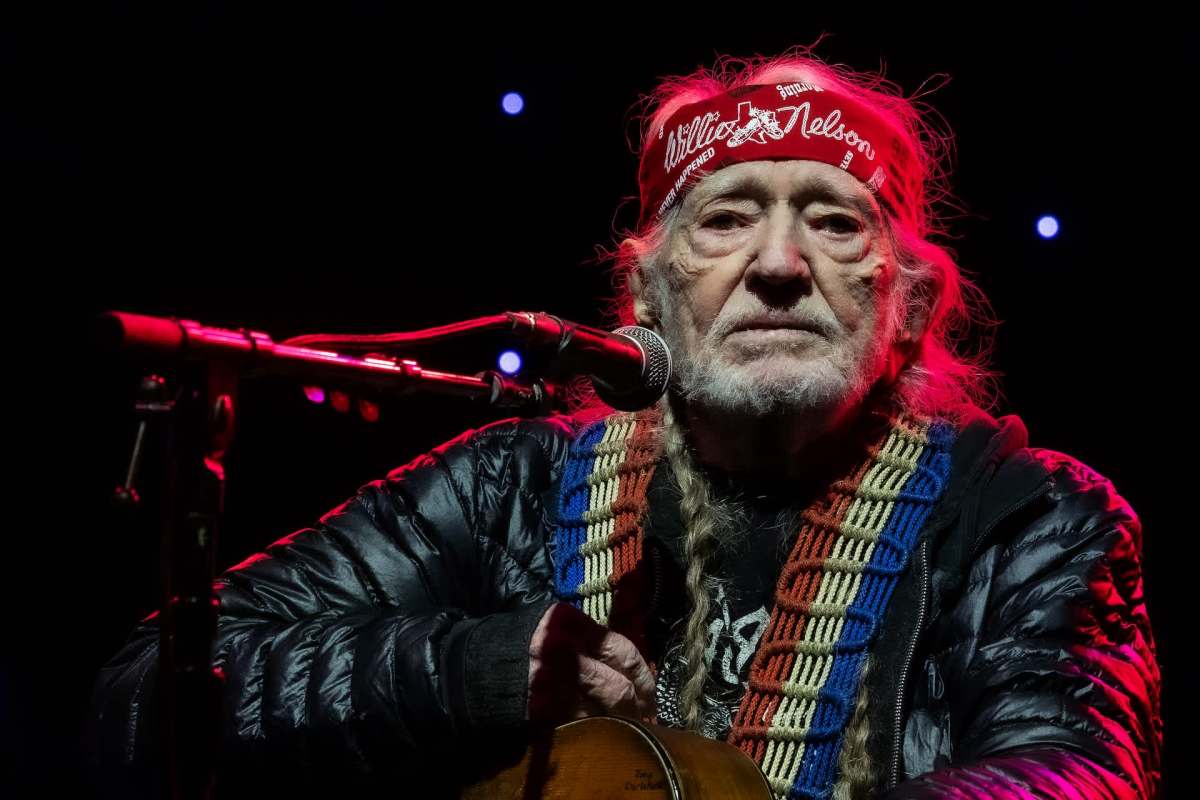
Willie Nelson is joining a growing backlash against the spread of data centers, warning that the massive facilities tied to the AI boom could reshape rural communities in Texas and beyond.
On social media, the country music legend blasted the hubs as "water thieving" and portrayed them as a threat to the land he still considers home.
What's happening?
Focusing especially on Abbott, Texas, where he is from, Nelson objected to the spread of data centers and cast the issue as one affecting rural communities nationwide.
As Rolling Stone reported, Nelson posted a message on the social platform X, where he said he still has "home there with farmed land where I can still see stars at night."
To whom it may concern and to everyone else as well, pic.twitter.com/GQxuxUj3ie
— Willie Nelson (@WillieNelson) July 28, 2026
He warned that "our community, like many others, needs to fight against data centers invading our land. The last thing we need is a loud, water thieving, light polluting, data center anywhere near our town (or any others for that matter)."
Nelson did not indicate whether he was referring to a particular proposed facility near Abbott, which lies south of Dallas. Even so, the wider Dallas-Fort Worth region has drawn numerous announced data center projects as companies build out more digital infrastructure.
TCD Picks » Quince Spotlight
💡These best-sellers from Quince deliver affordable, sustainable luxury for all




A Gallup poll released in May found broad opposition to local AI data centers: seven in 10 Americans said they oppose such projects in their area, including 48% who said they strongly oppose them.
Why does it matter?
Nelson's criticism taps into a broader debate over what communities may lose when data centers move in.
These facilities can require enormous amounts of electricity and water while also bringing noise, bright lighting, and industrial-scale development to places residents may want to keep rural.
That concern becomes even more pressing as AI expands. While AI tools can help society in meaningful ways, including improving research and helping utilities optimize clean energy systems, the computing power behind those tools also increases demand on the energy grid.
That growing demand can strain power supplies, raise infrastructure costs, and in some cases add pressure to household energy bills.
There are environmental and social tradeoffs to consider as well. High water use can be especially controversial in farming regions, while rapid development can affect local ecosystems and farmland.
Beyond resource use, critics of AI have also raised concerns about security risks, misuse, and unintended consequences that can ripple through communities.
What's being done?
The statement also fits into Nelson's decades-long public advocacy for farmers and rural communities.
Last year, he marked the 40th anniversary of Farm Aid.
In that statement, Nelson said, "Family farmers are the heart of this country, and we depend on each other for good food and strong communities," according to Rolling Stone.
He added that Farm Aid and its partners have "stood with farmers, supporting them to stay on their land even when corporate power, bad policies and broken promises make it harder to keep going."
Nelson's latest comments may not stop projects on their own, but they add a high-profile voice to a fast-growing conversation about land, resources, and who gets to shape the future of rural towns.
As Nelson put it in his X post, "The strength of rural America has never come from big industrial footprints. It comes from generations of people, open spaces, local businesses, and a connection to the land."

Get TCD's free newsletters for easy tips, smart advice, and a chance to earn $5,000 toward home upgrades. To see more stories like this one, change your Google preferences here.






