


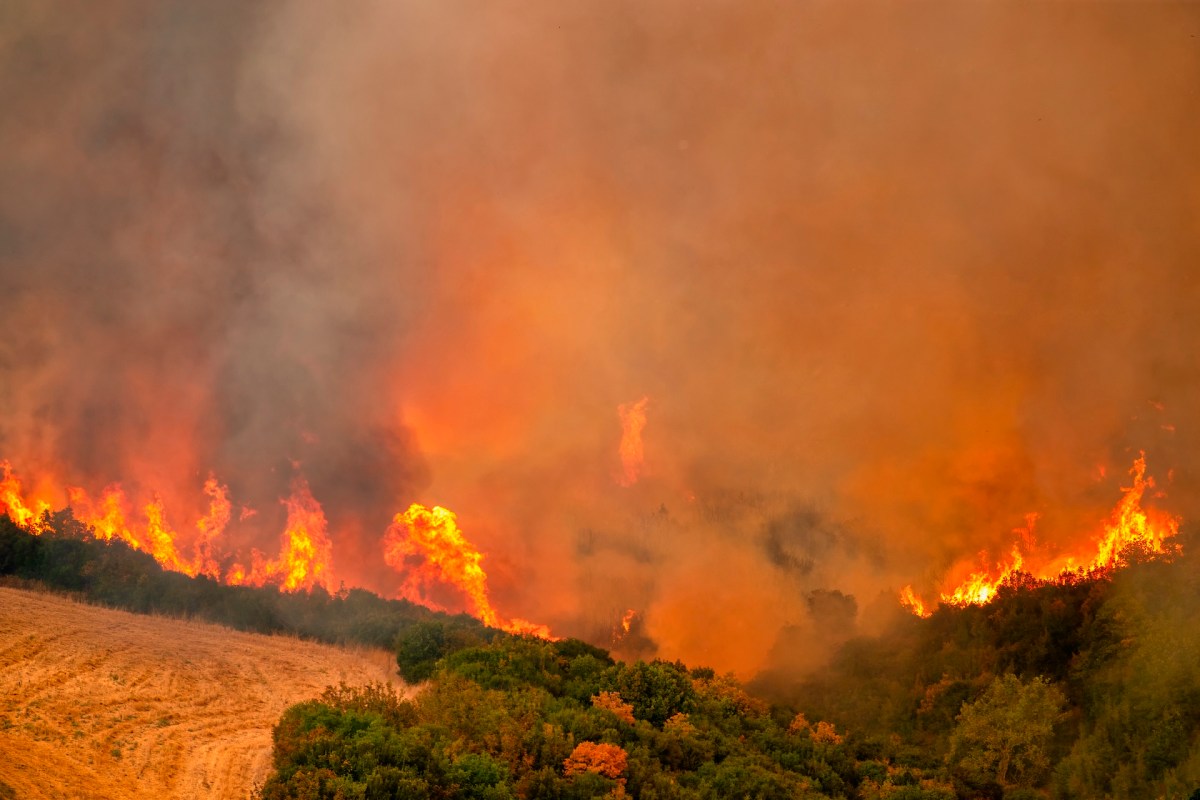
Southern Europe is recording fewer wildfires than it did decades ago, yet the kind of weather that allows fires to start and spread is appearing far more often.
Since 1981, the study found, summer days favorable to wildfire have more than doubled across much of the Iberian Peninsula and in France, Italy, and Greece.
What's happening?
Using wildfire records and climate data from Portugal, Spain, France, Italy, and Greece for the years 1981 through 2025, researchers identified a clear change in fire weather, according to a University of Groningen article shared on Phys.org.
In Scientific Reports, Raúl Cordero and his co-authors said some parts of France and Spain saw fire-conducive weather become as much as 50% stronger in 2016-2025 compared with the 1981-2010 baseline. The conditions they examined combine the elements firefighters fear most: heat, dryness, and wind.
The change was evident in how often those conditions appeared as well. Across parts of all five countries in the study, the average summer once brought fewer than 10 days with strongly fire-friendly weather between 1981 and 2010. In the past decade, that rose to about 25 days.
Meanwhile, the number of fires moved the other way. Over the past decade, each country in the study saw about 40% fewer fires per year than its 1981-2010 average, which may indicate that prevention and response measures are helping reduce how often fires begin.
TCD Picks » Quince Spotlight
💡These best-sellers from Quince deliver affordable, sustainable luxury for all




Why does it matter?
Taken together, those trends suggest that when fires do ignite, they may be more difficult to bring under control.
Hotter, drier summers can quickly turn a small spark into a fast-moving emergency, threatening homes, farms, forests, and local economies. That can bring more smoke, evacuation risk, transportation disruptions, and added strain on emergency services during peak summer months.
The researchers connected the rise in fire-promoting weather to an increase in warm, dry days and to broader climate influences such as El Niño. They also found that smaller North Atlantic air pressure differences were linked to more fire-friendly weather in parts of Greece, Italy, Corsica, and Spain.
Worsening wildfire conditions can have lasting effects on air quality, biodiversity, and the health of surrounding communities.
What's being done?
The authors said better training for fire brigades and stronger public awareness may be part of the reason annual fire counts have dropped even as fire weather has become more severe.
They also recommended expanding fire-management methods such as controlled burns. Those preventive measures can help reduce the amount of dry vegetation available to fuel major blazes.
The researchers also called for a more climate-resilient approach to land use. That can include planning communities and landscapes in ways that reduce fire risk, especially as heat and drought become more common.
Overall, the study indicates that warming is making Southern Europe's fire weather more severe, and that even with fewer fires on the books, the ones that do start may be harder to control.

Get TCD's free newsletters for easy tips, smart advice, and a chance to earn $5,000 toward home upgrades. To see more stories like this one, change your Google preferences here.






