


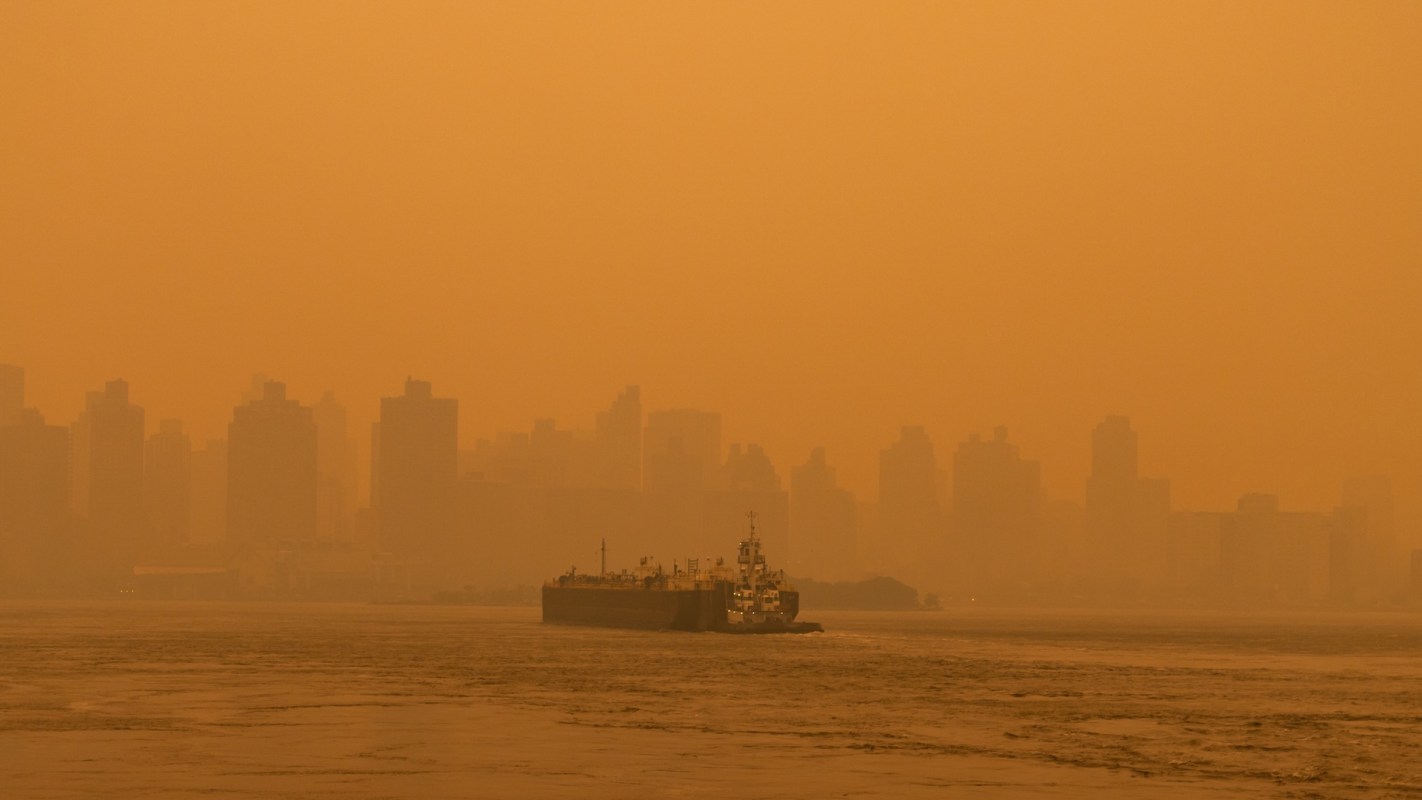
Smoke drifting from wildfires in Canada and northern Minnesota has sent air pollution to dangerous levels across parts of the Midwest and Northeast, exposing millions of people.
From Minneapolis to Manhattan, skies turned hazy as officials urged residents to limit time outdoors and take steps to protect themselves from the unhealthy air.
What's happening?
According to CBS News, the smoke is coming from a broad cluster of fires: more than 100 are burning in Canada, and additional blazes in northern Minnesota are compounding the problem as winds push the plume southeast into the U.S.
Air quality warnings were posted across Minnesota and into parts of the Northeast, with hazardous conditions reported in northeast Minnesota and statewide alerts issued in Michigan, New York, and Massachusetts; Pennsylvania also declared a Code Red alert.
Amid the smoke, Detroit, Minneapolis, and Chicago ranked among Thursday's five most polluted major cities in the world.
The effects were visible in the sky itself. In the Boston area, conditions shifted from a milky white to a brown-yellow haze, prompting West Roxbury resident James Venezia to say, "It almost felt like you were at a campsite with an active fire going."
TCD Picks » Quince Spotlight
💡These best-sellers from Quince deliver affordable, sustainable luxury for all




Why does it matter?
Children, older adults, and people with heart or lung conditions face some of the highest risks from the fine particulate matter carried in wildfire smoke. Experts say exposure can lead to coughing, shortness of breath, dizziness, fatigue, and worsening chronic disease.
Scientists say hotter, drier conditions are helping intensify fire danger. Warming tied to coal, oil, and gas is making fires happen more often and burn more intensely, and Columbia Climate School associate professor Dan Westervelt said severe drought and heat have created "a perfect storm for really dry conditions to provide a lot of fuel for these wildfires to burn," per CBS News.
What can I do?
The main advice from health experts is to reduce the amount of smoke you inhale. This means staying indoors as much as possible, shutting windows, and using air conditioning or filtration if available.
For unavoidable trips, an N95 or KN95 mask can help filter out fine particles.
Dr. Alexander Azan of NYU Langone Health told CBS News: "Whether you're somebody who's working outdoors [or] you have an errand that you just can't not do today or tomorrow, the best way to keep yourself safe is buying an N95 or KN95-grade mask."
Governments are also responding. New York said N95-style masks would be handed out to New York City commuters while alerts remained in place across multiple states.
In Minnesota, meteorologist Tyler Hasenstein warned that smoke and heat together are especially dangerous: "Those two things coinciding with each other is not good from a health perspective."
"If we keep being exposed to this level of air pollution over time, that increases our risks down the road for developing chronic health conditions," Azan said.

Get TCD's free newsletters for easy tips, smart advice, and a chance to earn $5,000 toward home upgrades. To see more stories like this one, change your Google preferences here.






