


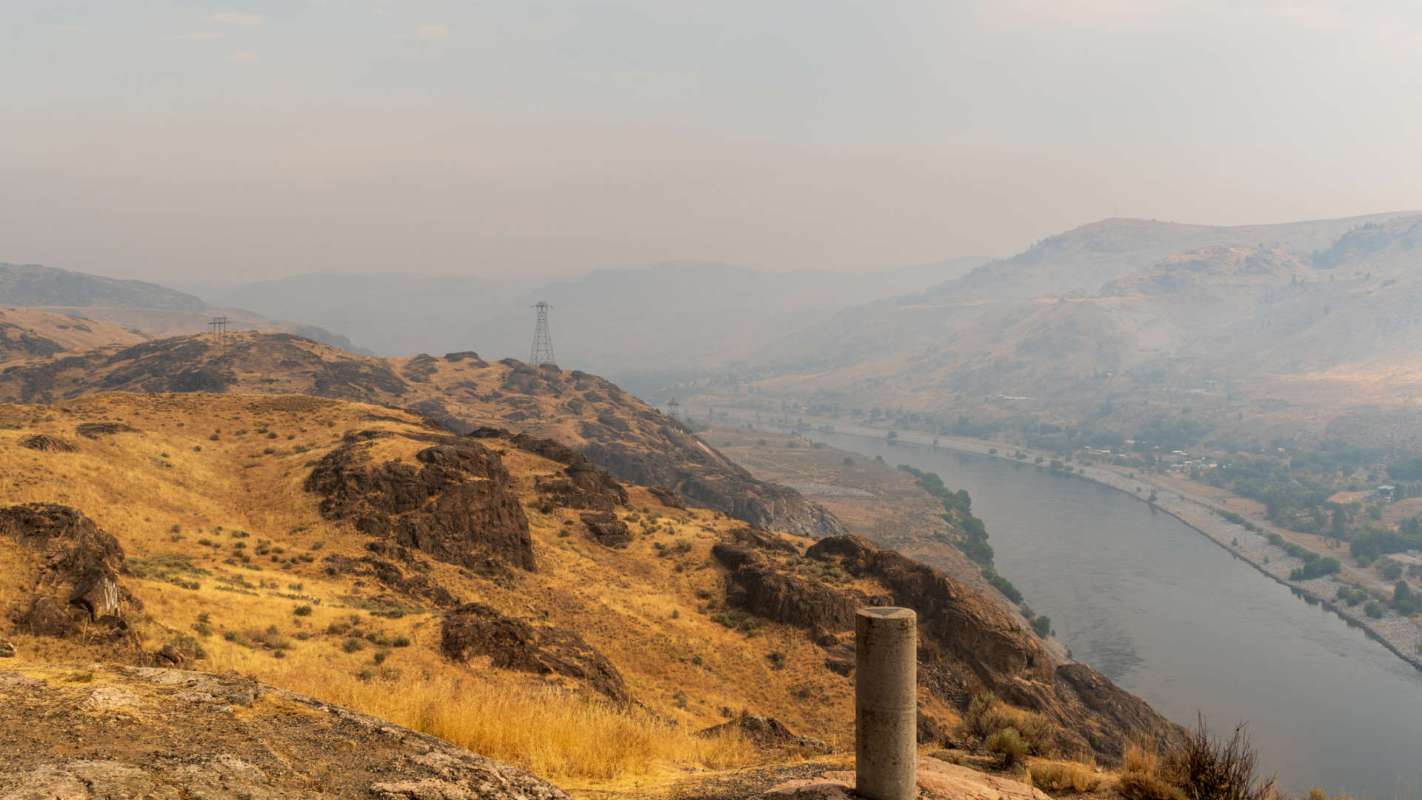
For D.C.-based writer Justin Worland, the issue of air quality recently became personal after he rushed through wildfire smoke pollution and later became sick.
Here's what to know
In an essay this month for TIME Magazine, Worland described an instance in which he ran to be on time for a meeting this summer, despite knowing the air outside was unsafe due to smoke that had drifted down to Washington, D.C., from the Canadian wildfires.
After inhaling the smoke-filled air, a cough started, and a doctor later diagnosed him with irritant bronchitis.
Wildfire smoke can cause much more than temporary discomfort. According to Worland, it has been linked to more than 24,000 premature deaths in the U.S. each year and can aggravate heart and lung disease, trigger medical emergencies, and leave people with lingering respiratory symptoms.
A 2024 study published in The Review of Economics and Statistics, and cited by Worland, found that a single day of wildfire smoke cuts quarterly per-capita earnings in affected U.S. counties by around 0.1%.
More background
Wildfire smoke does not stay confined to the places where fires are burning. And even when flames may not hit the same location over and over, smoke can keep drifting into the same communities from different fires, regularly re-exposing residents and workers far from the blaze.
TCD Picks » Quince Spotlight
💡These best-sellers from Quince deliver affordable, sustainable luxury for all




Repeated smoke events can lead to worsening health, lost productivity, and mounting challenges for both households and businesses. Families and companies based in smoke-prone regions may face increasing risks as these events become more frequent and intense.
Another study cited by Worland found that people with higher levels of education were more likely to take protective measures during periods of heavy smoke. The findings suggest that wildfire smoke can have uneven impacts across socioeconomic groups, with some people better positioned and resourced to protect themselves from prolonged exposure.
What can be done?
Communities need policies that address both the worsening conditions driving wildfire activity and the health and economic impacts linked to smoke exposure. Public education about the risks, along with improving equitable access to resources such as masks, air purifiers, and paid time off from outdoor work, could help reduce the harms.
When air quality is poor, reducing outdoor work, postponing exercise and recreation, and keeping windows closed when possible, as well as using safe and effective air purifiers inside, can help limit exposure.
"The problem may be that even those who understand that there is a risk, myself included, may underappreciate the cost of neglecting prevention," Worland noted.

Get TCD's free newsletters for easy tips, smart advice, and a chance to earn $5,000 toward home upgrades. To see more stories like this one, change your Google preferences here.






