


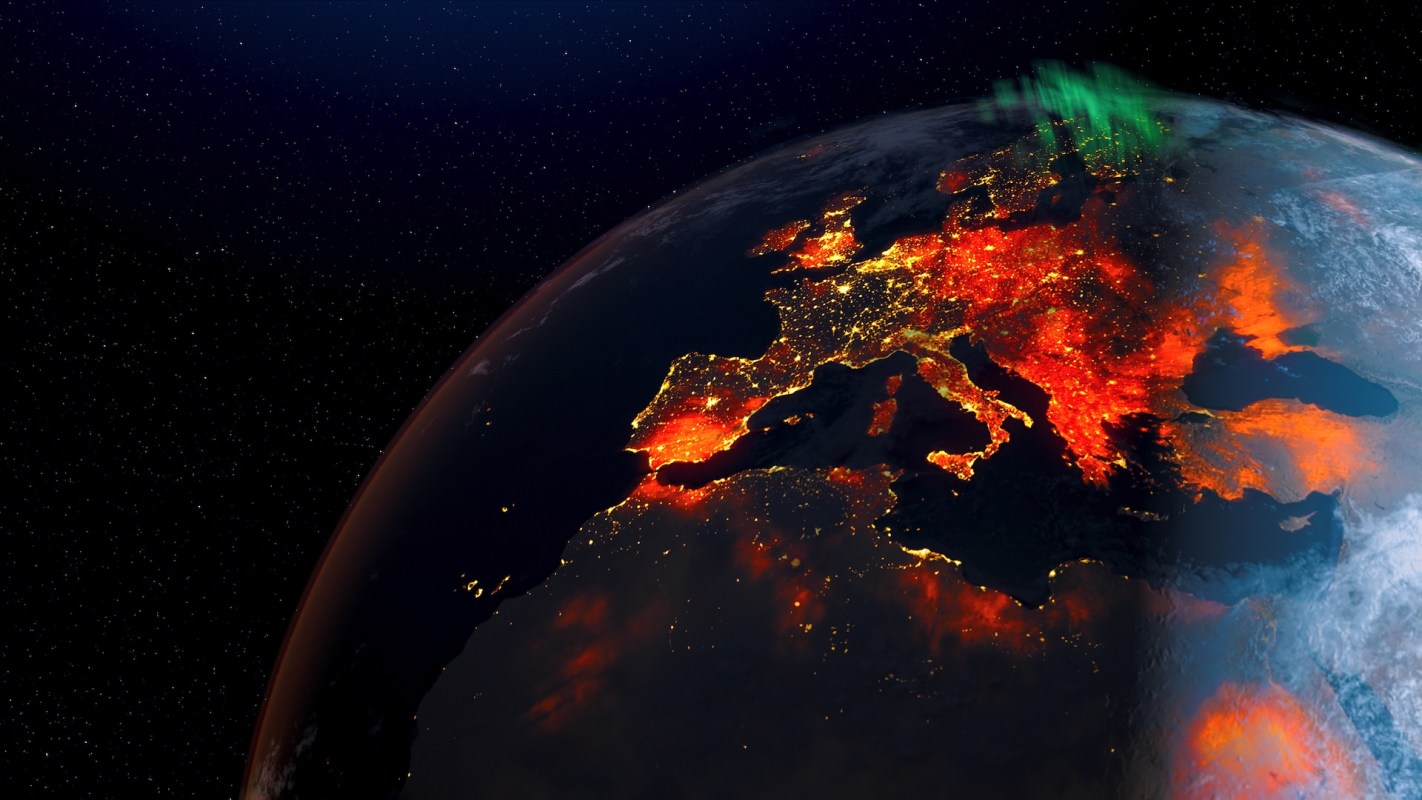
Orange-tinted skylines in major U.S. and European cities made one thing clear in July 2026: wildfire smoke, extreme heat, and fast-moving blazes are no longer isolated disasters.
A volatile combination of smoke, fire, and heat put broad areas of North America and southern Europe under strain, leaving much of the Northern Hemisphere facing overlapping climate pressures.
What's happening?
In Canada and Oregon, fires burned through wooded areas, ranchlands, and rural communities. Elsewhere, smoke darkened the skies of cities including Chicago and New York, while flames pushed toward the outskirts of Madrid and Bordeaux, The Washington Post reported.
Some areas were confronting flames directly, while others were coping with hazardous air and poor visibility from fires burning far away. City residents, farmers, firefighters, and families in rural fire zones all faced different versions of the same emergency.
Why does it matter?
Smoke and extreme heat can upend daily life even for people far from an active fire line. The cross-continental pattern shows how extreme weather can compound itself. Dry vegetation burns more easily, and smoke then carries the damage into distant cities that may not see a single flame.
Poor air quality can aggravate asthma, heart and lung conditions, and the risks associated with outdoor work. It can also lead to canceled events, reduced visibility for travel, and make routine activities such as commuting, exercising, or letting children play outside much riskier.
TCD Picks » Quince Spotlight
💡These best-sellers from Quince deliver affordable, sustainable luxury for all




For people living closer to the flames, the consequences can be even more severe. Fires threatening ranchlands and rural communities can destroy homes, displace families, kill livestock, and erase years of work in a matter of hours.
In places such as Canada and Oregon, those losses can continue to affect local economies long after the fires are out.
What's being done?
In fire-prone regions, authorities typically respond with evacuations, air-quality alerts, firefighting deployments, and public cooling resources when smoke and heat overlap. Cities and emergency managers are also increasingly relying on weather forecasting and smoke modeling to warn residents earlier when dangerous conditions are taking shape.
Checking local air-quality indexes, limiting outdoor exertion during smoke events, using a high-quality mask such as an N95 when air is unhealthy, and running air purifiers or HVAC filters indoors can all help reduce exposure.
During extreme heat, staying hydrated and knowing where local cooling centers are can also be lifesaving. People living in wildfire-prone areas can further reduce some risk by preparing go-bags, signing up for emergency alerts, and creating defensible space around their homes where local guidance recommends it.
While these steps obviously cannot stop a regional fire crisis, they can make a meaningful difference when conditions deteriorate quickly and prepare you for the worst possible scenarios.

Get TCD's free newsletters for easy tips, smart advice, and a chance to earn $5,000 toward home upgrades. To see more stories like this one, change your Google preferences here.






