


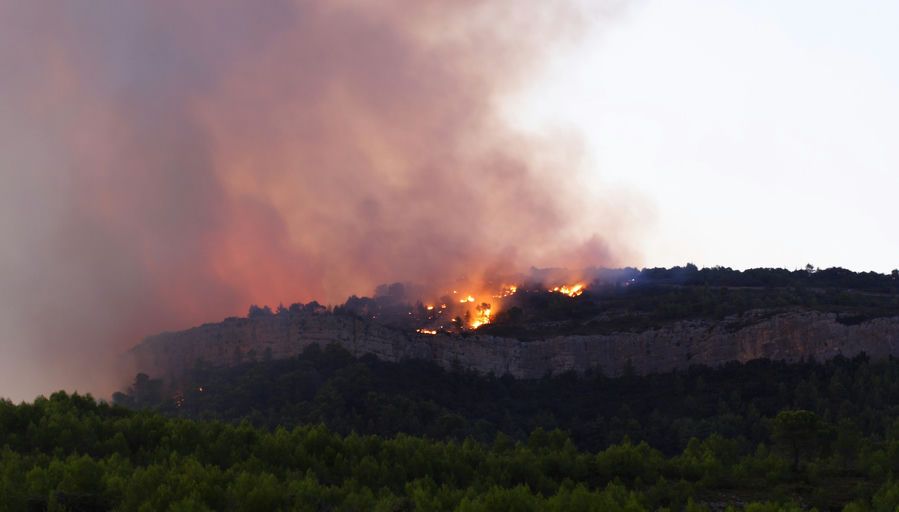
Wildfire planning is becoming a broader challenge for Europe's solar sector, with developers having to factor in fire risk alongside more familiar threats like heat and hail.
The hazard is no longer limited to southern holiday regions: photovoltaic assets in Britain, Belgium, and Germany are increasingly part of the wildfire conversation as well.
France's basic approach is simple in principle — remove brush and other vegetation before it can become fuel.
Here's what to know
According to PV Magazine's analysis, France's Obligations Légales de Débroussaillement — legal brush-clearing obligations — require owners in certain areas to cut back vegetation that could feed a fire.
Crushed by your bills? See instant solar savings from vetted installers in just a few clicks With energy prices through the roof, there's never been a better time to go solar — and EasyHome can help you find the best prices from the best installers in your area. EasyHome takes the guesswork and headaches out of energy upgrades by showing you estimated savings from a network of vetted local partners. To get started, just enter your ZIP and share a few details about your home — seeing your estimate is really that easy. |

Those requirements are no longer limited to the Mediterranean south. They also apply in central France, Brittany, and Normandy, highlighting that wildfire danger is no longer restricted to Europe's hottest regions.
In practice, solar operators may need to keep vegetation low inside a site, add ditches at larger projects or those near forests, and maintain a five-meter-wide (16.4-foot) emergency access lane along both sides of a perimeter fence.
The work often extends beyond the site boundary too, reaching as far as 50 meters (164 feet) outside the fence and frequently requiring coordination with neighboring landowners.
France's system also shows how complicated prevention can be. Local prefectures determine where the rules apply, and operators may face conflicts involving species protection requirements, ecological restoration plans, steep terrain, and the short seasonal window when clearing is most effective.
More background
If clearing starts too soon, vegetation can grow back before the height of fire season; if it starts too late, the site may remain exposed.
Because that useful window falls in late spring to early summer, finding specialized contractors can be difficult as well, especially for remote sites or installations in heavily forested areas.
The urgency increased after destructive fires near Bordeaux pushed firebreaks, or pare-feu, higher up the agenda in densely wooded regions.
It remains uncertain whether that attention will lead to new requirements for how solar facilities are planned, built, or operated. Still, wildfire adaptation is taking on a larger role in solar asset management.
More From EnergySage
💡Go deep on the latest news and trends shaping the residential solar landscape
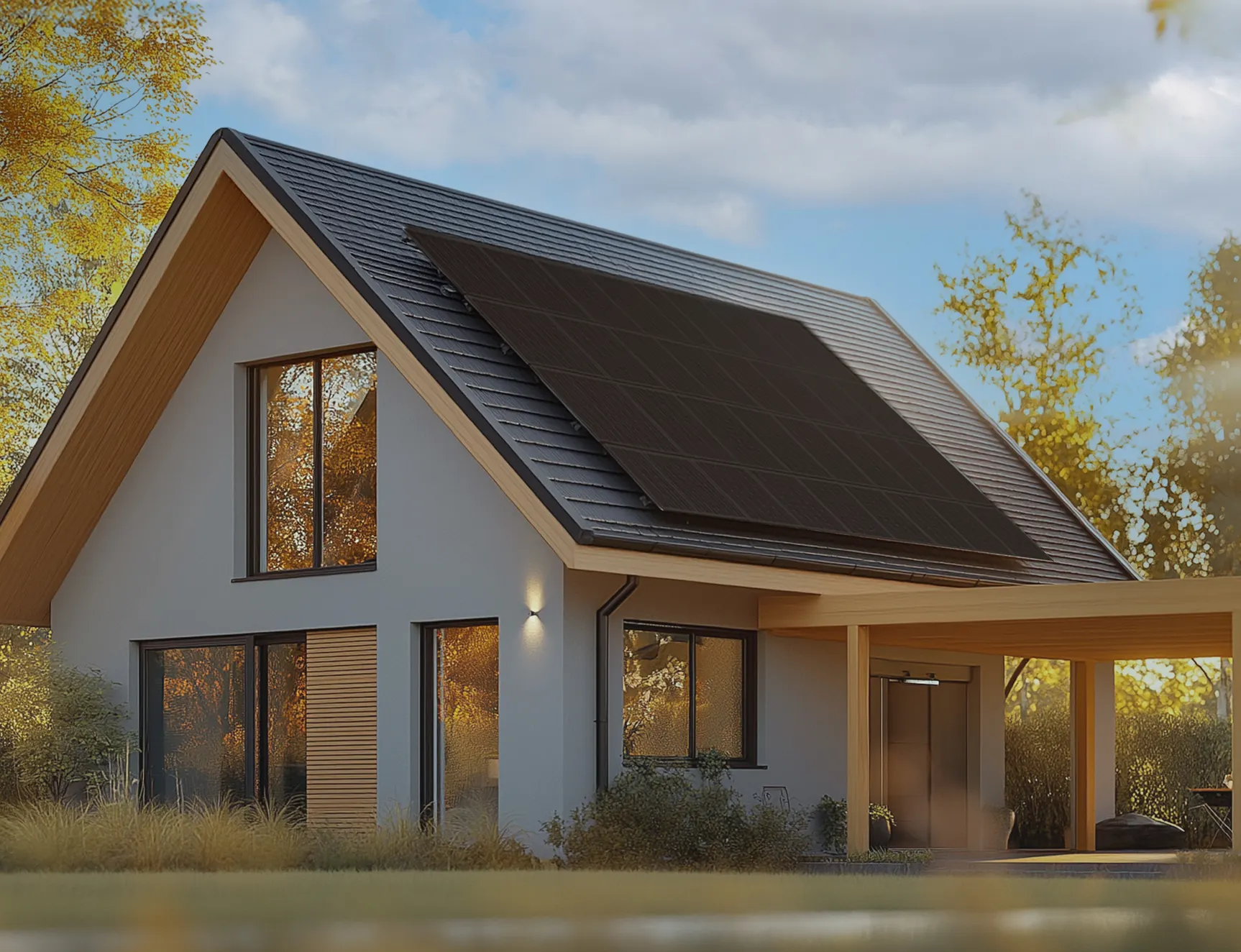
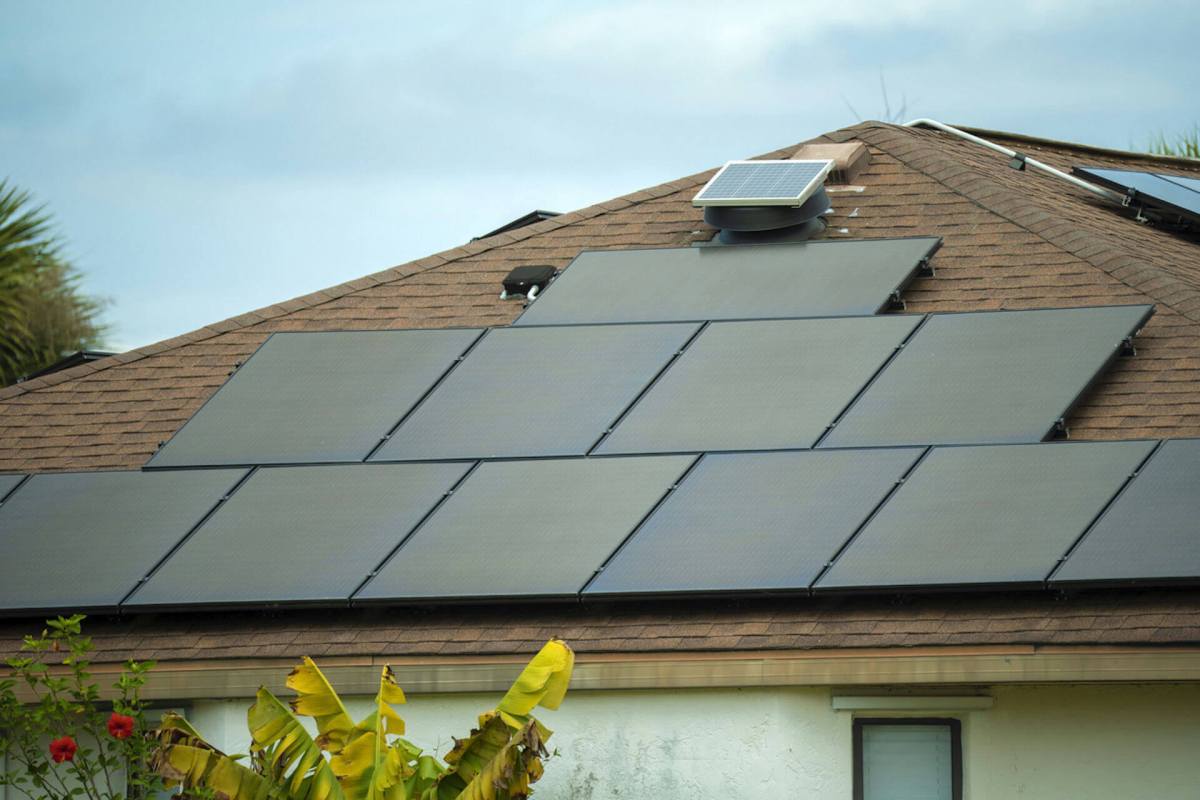

PV Magazine described an 11-megawatt solar project that was overrun by a massive blaze, yet damage was limited to two mounting structures carrying about 100 modules because fire prevention measures had been implemented thoroughly.
What's being done?
In addition to mandatory brush clearing, operators are putting other protections in place, including firefighting water bladders and closer coordination with local fire departments.
Any water supply needs to be reachable from outside the fence, and cleared vegetation should be taken away rather than left on-site as added fuel. At some locations, sheep grazing helps address that issue.
As wildfire danger spreads farther north, France's rules point back to a simple objective: "Brush clearing: measures to reduce plant-based fuel of any kind with the aim of lowering fire intensity and curbing the spread of fires. These measures ensure sufficient breaks in the vegetation cover. They involve pruning trees that are to be preserved and removing the resulting cuttings," per PV Magazine.
Where can I learn more?
Wildfire planning for solar is tied to the same pressures reshaping forests, farms, and neighborhoods. These articles look at destructive fires in France, vegetation rules in California, and restoration efforts elsewhere aimed at reducing fuel and limiting damage.
• The aftermath "looked like a lunar landscape" after flames tore through France's Corbières Massif.
• California's vegetation bans showed how fire rules can collide with landscaping goals.
• After major burns, farmers are using native seeds to combat erosion and rebuild healthier ecosystems.
• In Colorado, beaver wetlands emerged as an unexpected form of fire protection when forests burned.
Wildfire adaptation reaches far beyond southern Europe and far beyond the fire service. For energy developers, homeowners, and local officials, managing vegetation and reducing fuel has become part of the job.

Get TCD's free newsletters for easy tips, smart advice, and a chance to earn $5,000 toward home upgrades. To see more stories like this one, change your Google preferences here.






