


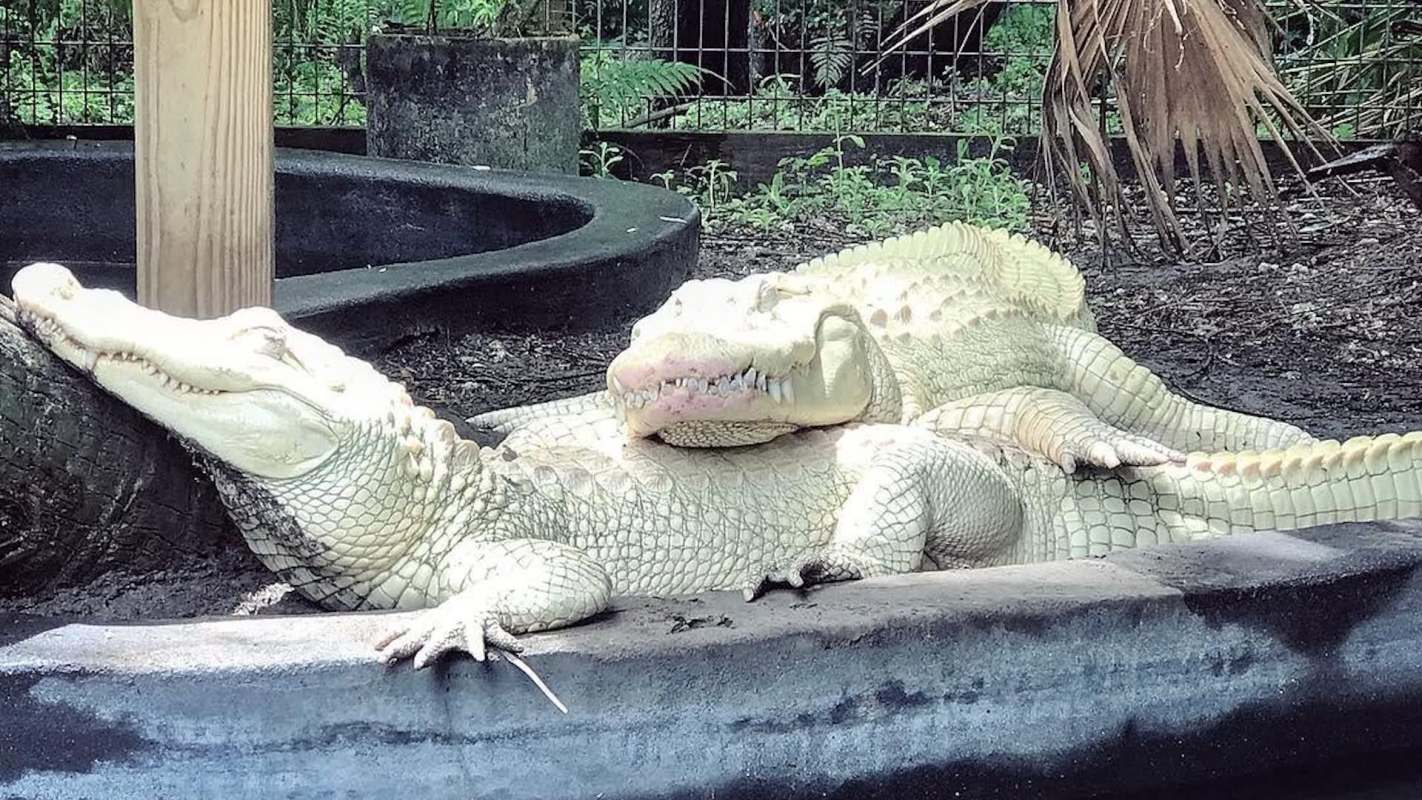
A Florida-based alligator park has discovered the first-ever recorded successful batch of albino alligator eggs laid in captivity.
Wild Florida, an alligator park in Kenansville, may be on the verge of a clutch of 19 albino alligator eggs.
If the eggs make it through incubation, the babies would mark a first for Florida, and possibly an important moment for animal care specialists working with one of nature's most unusual reptiles.
What happened?
Wild Florida, an alligator park in Kenansville, says eggs were discovered in its albino alligator exhibit on June 7, according to WFTV, as reported by It's a Southern Thing.
Officials removed 19 eggs from the enclosure, and the clutch is thought to be the first known case anywhere of albino alligator eggs being successfully laid in captivity.
The eggs were then transferred to a secure, temperature-stable environment to increase their chances during an incubation period expected to last about 60 days.
TCD Picks » Quince Spotlight
💡These best-sellers from Quince deliver affordable, sustainable luxury for all




The pair behind the clutch are Snowflake, a 25-year-old female alligator, and Blizzard, a 14-year-old male alligator. Both are blind, and their albinism stems from a lack of pigmentation that gives them their pale coloring.
Why does it matter?
A successful hatch could offer important insight into the care and reproduction of albino alligators, which are exceptionally rare and face added challenges because of their condition.
Because albinism affects pigmentation, these animals often require especially careful management in human care. Each successful step in reproduction is significant for veterinarians, caretakers, and wildlife educators.
Most people will never see an albino alligator, let alone a potentially first-of-its-kind clutch produced in captivity.
What's being done?
By removing the eggs from the exhibit and placing them in a temperature-controlled setting, Wild Florida is taking a standard but critical step to support safe incubation.
Egg development can be sensitive to environmental changes. A controlled setting allows staff to closely monitor conditions during the roughly 60-day incubation period.
If the hatch is successful, the babies could help animal care teams learn more about the needs of albino alligators from the very start of life. That knowledge could improve future care for rare reptiles living in managed environments.
If all goes well, the hatchlings will become Florida's first captive-born albino alligators.

Get TCD's free newsletters for easy tips, smart advice, and a chance to earn $5,000 toward home upgrades. To see more stories like this one, change your Google preferences here.






