


After five years without a live sighting in the area, the critically endangered white abalone snail has turned up off California's Channel Islands — an encouraging development for the marine scientists and volunteer divers trying to save one of the state's rarest sea snails.
The find is also putting fresh focus on California's "Wanted Alive! White Abalone" campaign.
What happened?
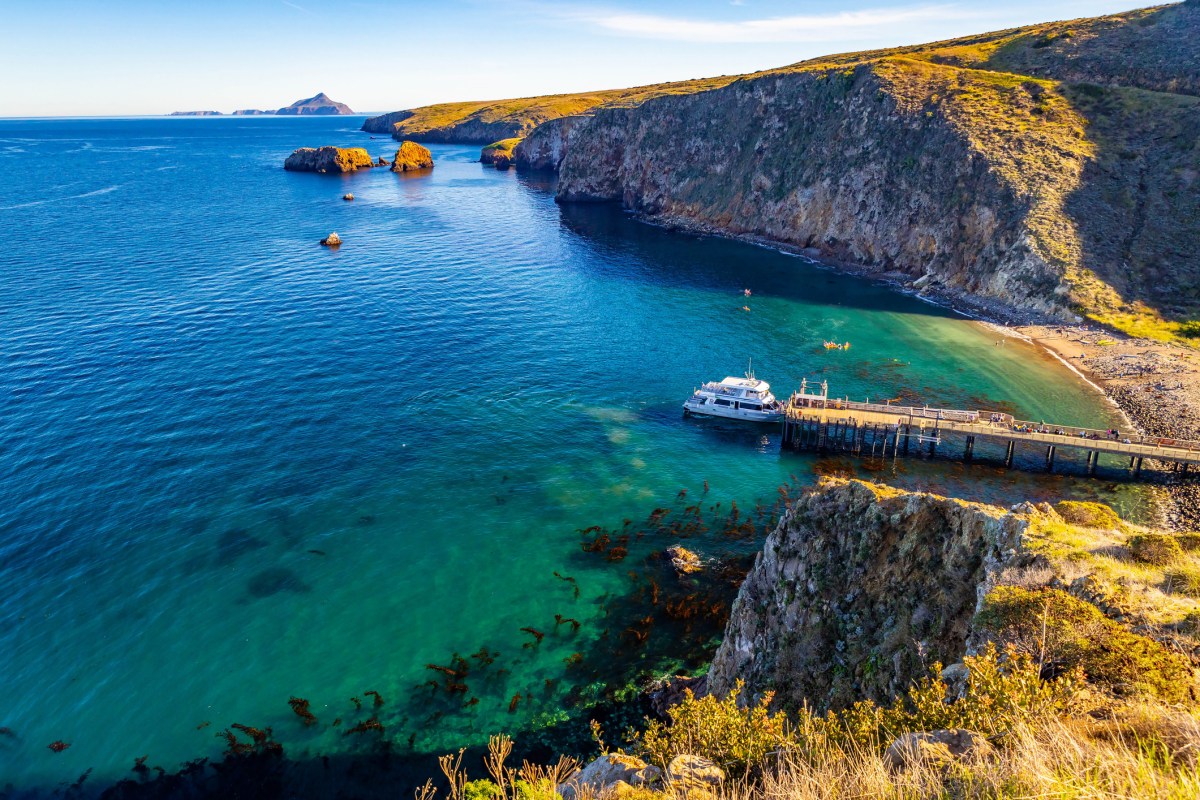
During a survey near Santa Cruz Island in May, researchers aboard NOAA's Shearwater ship found a live white abalone, according to Good News Network. For a species whose numbers have fallen by 99% since the 1970s, the confirmed sighting is a significant development.
According to Good News Network, the expedition included staff from Channel Islands National Marine Sanctuary and partners from Aquarium of the Pacific, who were studying habitats near the Santa Rosa and Santa Cruz islands while collecting environmental DNA (eDNA) from the water.
Good News Network reported that Julie Burse, of the Channel Islands National Marine Sanctuary, and Jaimee Butler, an assistant dive safety officer of field operations from Aquarium of the Pacific, made the discovery after noticing the white abalone during a dive in a state marine protected area off the southwest side of Santa Cruz Island. NOAA Fisheries later verified the sighting using video footage.
The team also gathered shell measurements, video records, eDNA samples, and information from underwater habitat surveys to help determine whether other white abalones are still out there.
TCD Picks » Quince Spotlight
💡These best-sellers from Quince deliver affordable, sustainable luxury for all




Why does it matter?
As a critically endangered species, the white abalone's decline reflects broader problems in California's coastal waters.
Good News Network noted that the white abalone depend on kelp forests, but those ecosystems have been badly reduced by outbreaks of sea urchins, limiting the habitat and recovery opportunities available to the species.
Recovery is harder still because the few white abalone left in the wild may be separated by distances too great for successful reproduction. Even a single living animal can give scientists insight into which habitats still support the species and where future recovery work may be most effective.
Through the Wanted Alive! White Abalone project, citizen scientists, and recreational divers are being asked to report possible sightings to local wildlife officials and researchers.
Bursek summed up how challenging it is to find the species with how few remain in the region. "It's been like searching for a needle in a haystack," Bursek said.
"Community science, research partnerships, and habitat surveys like this one are all important tools for helping scientists better understand where white abalone may still survive in the wild," Bursek added.
For now, the team plans to keep surveying the area, analyzing the eDNA samples, and trying to relocate the animal.

Get TCD's free newsletters for easy tips, smart advice, and a chance to earn $5,000 toward home upgrades. To see more stories like this one, change your Google preferences here.






