


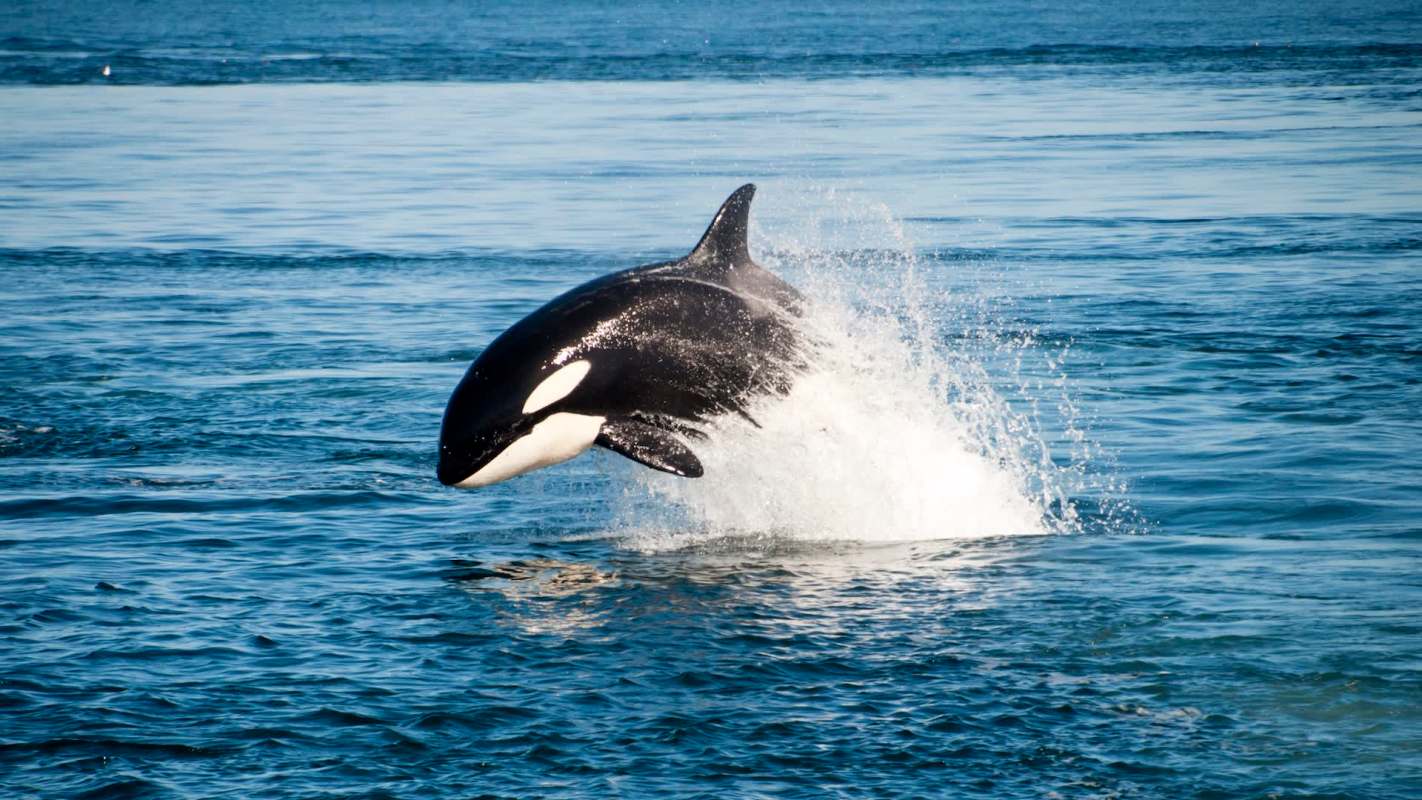
A surge of whale sightings off British Columbia's southern coast is thrilling residents and tourists alike, with social media clips of orcas, humpbacks, and other giants surfacing near familiar shorelines.
But the boom in whale-spotting has been tempered by troubling signs, raising fresh concern about whether every species is benefiting equally from the region's ecological rebound.
What happened?
Researchers say the Salish Sea, the waterway between Vancouver Island and the mainland, is seeing an unusual concentration of whale activity, helped by plentiful food supplies and years of conservation work.
In reporting on the trend, The Canadian Press said scientists and local experts view the rise in sightings as consistent with research showing whale populations have grown.
Julia Adelsheim, a marine biologist with Wild Whales Vancouver, said the surge in sightings coincides with studies confirming that populations have increased.
The Canadian Press said a University of British Columbia paper published this month found transient killer whales spend more than two-thirds of the year in the area. The outlet also cited a separate study saying humpback whales traveling from Hawaiʻi have rediscovered the area as a feeding ground.
TCD Picks » Quince Spotlight
💡These best-sellers from Quince deliver affordable, sustainable luxury for all




However, as of mid-June, 10 grey whales were found dead along the coast, raising some concerns.
Why does it matter?
When marine ecosystems recover, nearby communities can benefit as well — from stronger tourism economies to healthier fisheries. Seeing whales return in larger numbers is a sign that environmental protections can pay off.
At the same time, recovery is not happening evenly across species.
Adelsheim warned that the unusual visibility of one species points to "a case of starvation," suggesting some animals may be struggling even as others appear to be thriving.
Whales are key indicators of ocean health. When they suffer, it can signal food-web disruptions, warming waters, or other environmental stresses that can ultimately affect people as well.
A region can be doing many things right while still showing warning signs that demand more monitoring, research, and protection.

Get TCD's free newsletters for easy tips, smart advice, and a chance to earn $5,000 toward home upgrades. To see more stories like this one, change your Google preferences here.






