


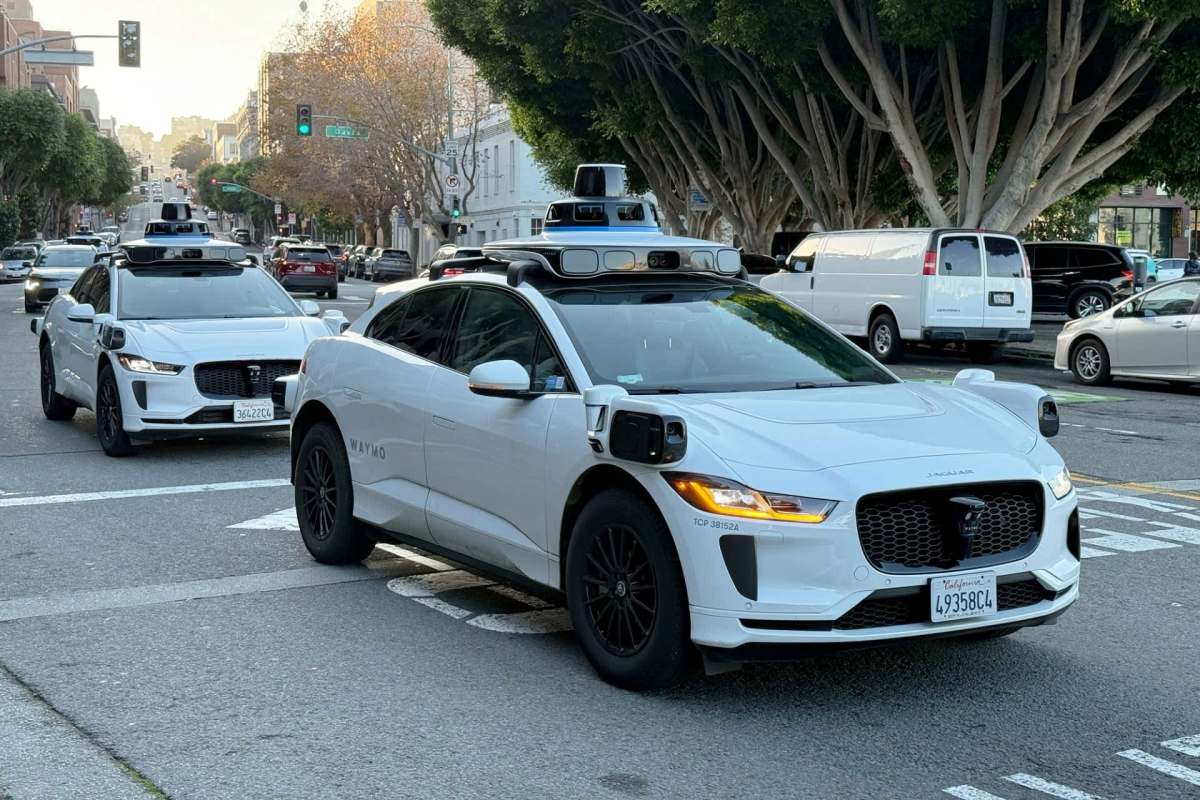
Waymo is trying to answer a central robotaxi debate: whether its vehicles handle imminent crashes more safely than people do.
To do so, the company created a computer model to better understand how vehicles react in the moments before collisions.
This model now includes a new virtual "Reference Driver" that simulates the actions of a careful, competent human in the seconds before a collision, making comparisons more realistic, per TechCrunch.
Alphabet-owned Waymo published its findings in the peer-reviewed journal Nature Communications, in collaboration with TU Delft.
Built on a framework known as active inference, the model treats driving as a process of continuously anticipating possible outcomes and choosing the safest, most predictable path. Waymo says this version better reflects how people act in the lead-up to a crash, rather than only at the instant of impact.
In a blog post explaining the model, Waymo wrote: "For decades, the automotive industry has used physical and virtual crash dummies to evaluate a car's safety features, including its hardware and structural integrity."
TCD Picks » Quince Spotlight
💡These best-sellers from Quince deliver affordable, sustainable luxury for all




But now, per the blog post, the Reference Driver "evolves this concept, serving as a behavioral benchmark for autonomous driving systems able to realistically represent reasonable expectations on how a careful and competent human driver responds to traffic conflicts."
As robotaxi companies push into additional cities and face greater scrutiny, having a stronger human-driving benchmark could become important for how they justify their safety performance.
Those comparisons could shape regulators' views, lawsuits, and public trust, influencing whether autonomous vehicles become a bigger part of everyday transportation.
Yet, there is still a long way to go in convincing people that autonomous driving is safe and reliable. Many would rather have their lives in their own hands, rather than pass off the responsibility of driving to a robot that may not make the same decisions they would.

Get TCD's free newsletters for easy tips, smart advice, and a chance to earn $5,000 toward home upgrades. To see more stories like this one, change your Google preferences here.






