


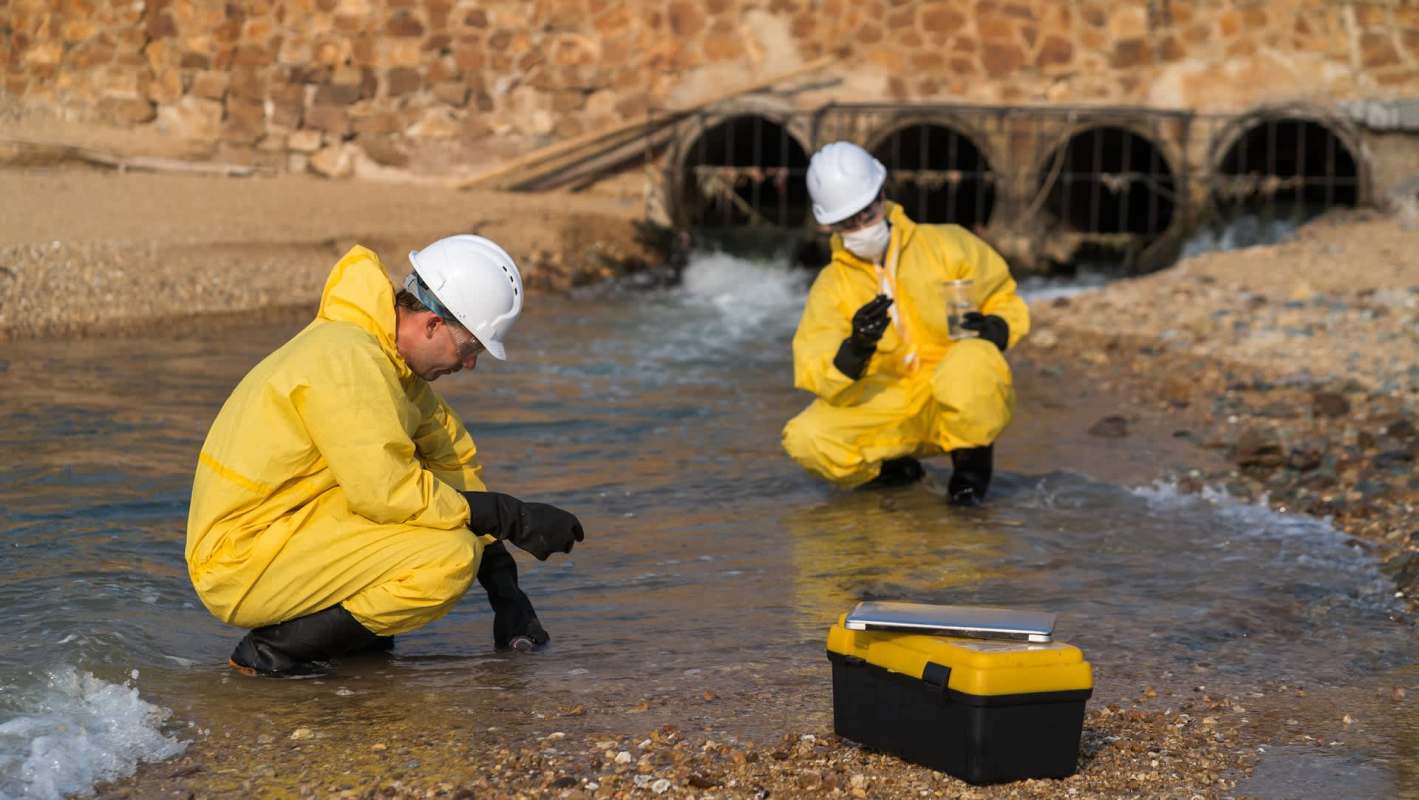
Cañon City, Colorado, is home to the Lincoln Park Superfund site, also known as Cotter, which contains more than 5 million tons of radioactive waste. Now, free water tests have been conducted by residents curious about potential contamination.
What happened?
The Colorado Sun reported that Colorado Citizens Against Toxic Waste, or CCAT, organized the testing effort. The water samples were analyzed by Michael Ketterer, a chemist and professor emeritus at Northern Arizona University, through a lab he operates with Veterans for Peace.
"Overall, the community results are pretty good," Ketterer told The Colorado Sun.
However, a few tests returned with concerning results.
Federal rules set the drinking water limit for uranium at 30 micrograms per liter. In the first round of 249 samples collected south of Cañon City, 14 were above that level. One sample reached 117 micrograms per liter.
The testing also found elevated molybdenum, lead, and arsenic in certain samples.
TCD Picks » Quince Spotlight
💡These best-sellers from Quince deliver affordable, sustainable luxury for all




A full analysis of the samples is still pending.
Why does it matter?
Ketterer said the high levels of uranium were likely tied, in some instances, to the Superfund site.
CCAT says residents have been waiting 42 years for the Environmental Protection Agency and the Colorado Department of Public Health and Environment to produce a cleanup plan.
For people who depend on private wells, that uncertainty affects everyday tasks such as drinking, cooking, gardening, and caring for animals.
One resident with reported elevated uranium levels told The Colorado Sun that they avoid drinking their well water entirely and no longer use it for tasks like washing clothes.
"It's called an agriculture well, but it killed our plants and we don't use it for animals," the resident said.
What's being done?
CCAT leaders say the answer is to expand the testing effort, not scale it back.
CCAT co-founder Jeri Fry encouraged residents to join in with the free testing. "The more who participate in this process, the more accurate it's going to be," she said. "Information is empowering."
Residents can get empty test tubes from local partner groups, fill them with water, and return them to the mobile lab for analysis. The lab will keep processing Fremont County samples even while it travels to New Mexico for other work.
The Colorado Sun reported that supporters are also looking at establishing a permanent lab in Cañon City, saying it would better protect sensitive equipment and make the testing program easier to sustain. Veterans for Peace member Brian Wilcox said, "We need a place to put this."
"I advocate expansive, extensive, limitless to the extent possible, and perpetual chemical analysis as oversight of all contaminated environments," Ketterer told The Colorado Sun. "Even if your 200 neighbors had mostly good results, the next person whose water was not sampled, has no knowledge of their situation."

Get TCD's free newsletters for easy tips, smart advice, and a chance to earn $5,000 toward home upgrades. To see more stories like this one, change your Google preferences here.






