


Even with rapid battery advances, one major safety issue persists. Many high-performance cells still depend on organic electrolytes, and those flammable materials can ignite during thermal runaway.
Research activity and early manufacturing plans now suggest water-based batteries may be getting closer to practical use as a safer option, Bestmag reported.
What's happening?
The electrolyte is the part of a battery that moves ions from one side to the other. In most lithium-ion batteries and most sodium-ion batteries, that material is organic and carbon-based.
Those electrolytes make it possible to reach the higher voltages associated with compact battery designs and longer range, but they also bring a greater risk of fire.
Aqueous electrolytes, which are water-based, are typically highly conductive, less expensive, and far harder to ignite. For years, though, they have been held back by lower voltage, which generally translates to lower energy density.
That gap has started to narrow, with researchers developing experimental aqueous batteries that can run at up to 3.0 volts.
TCD Picks » Quince Spotlight
💡These best-sellers from Quince deliver affordable, sustainable luxury for all




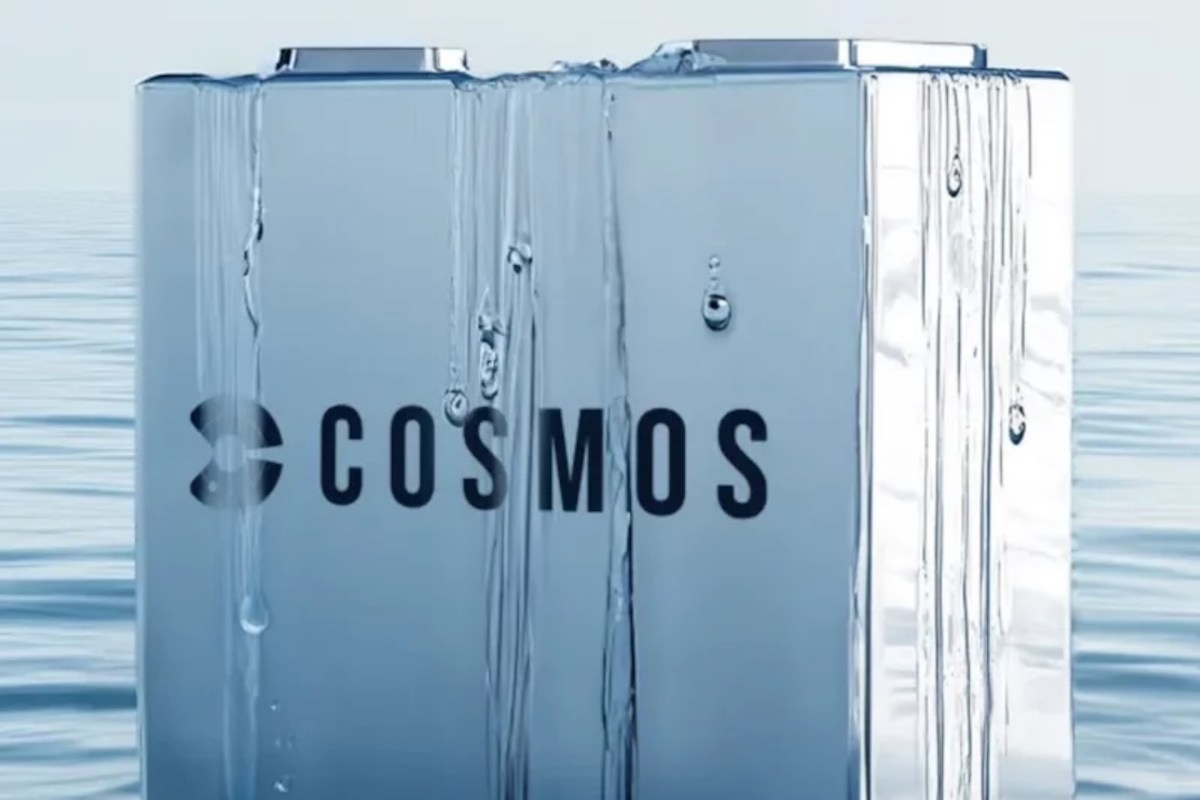
Signs of that progress are beginning to show up in commercial plans too. According to Bestmag, SoftBank and Korea's Cosmos Lab are targeting mass production in Japan in fiscal 2027 for a zinc-halogen battery, while Massachusetts-based Alsym Energy is pushing ahead with non-flammable sodium-ion batteries for large-scale storage.
Why does it matter?
The battery with the highest energy density is not always the best fit for every use case.
For stationary systems used by homes, businesses, neighborhoods, and data centers, safety, long life, and cost predictability can matter more than packing in the maximum amount of energy.
If organic-electrolyte fire risks can be avoided, building owners could need less cooling, less fire-suppression equipment, and possibly less separation between battery units.
That could bring down installation costs, ease maintenance requirements, and let developers place more storage in the same amount of space.
These safer battery systems are particularly attractive for backup power during heat waves, storms, and grid outages, especially in communities that are still uneasy about battery fire incidents.
And if these chemistries rely on zinc, bromine, sodium, and aluminum rather than lithium, cobalt, nickel, or copper, they could also help stabilize supply chains and reduce costs.
What's being done?
Cosmos Lab said its aqueous zinc-bromine battery blends features of batteries and supercapacitors, and that its prismatic design can slot into existing battery energy storage setups.
The company said its cells could cost less than $50 per kilowatt-hour and use locally sourced materials, which Bestmag explained may make domestic manufacturing easier to achieve.
Alsym is taking a separate approach with aqueous sodium-ion technology. The company said its cells reach 135 watt-hours per kilogram — below the top lithium iron phosphate cells, but still enough for many storage needs.
Alsym said its chemistry may cut down on, or even remove, the need for active cooling.
Bestmag reported that Alsym recently announced a partnership with Juniper Energy covering 500 megawatt-hours of non-flammable battery energy storage systems in California.
As Mukesh Chatter, CEO and co-founder of Alsym, said, "Our batteries are exactly what is needed by the market right now, and can deliver peace of mind to homeowners, businesses, communities, and grid operators who are eagerly seeking safe and reliable energy storage solutions."

Get TCD's free newsletters for easy tips, smart advice, and a chance to earn $5,000 toward home upgrades. To see more stories like this one, change your Google preferences here.






