


A small adjustment inside wastewater treatment plants could help society tackle one of today's most persistent pollution problems.
New research has found that by harnessing micro- and nanobubbles together, workers at waste treatment plants may be able to trap more than 90% of microplastics in wastewater.
What's happening?
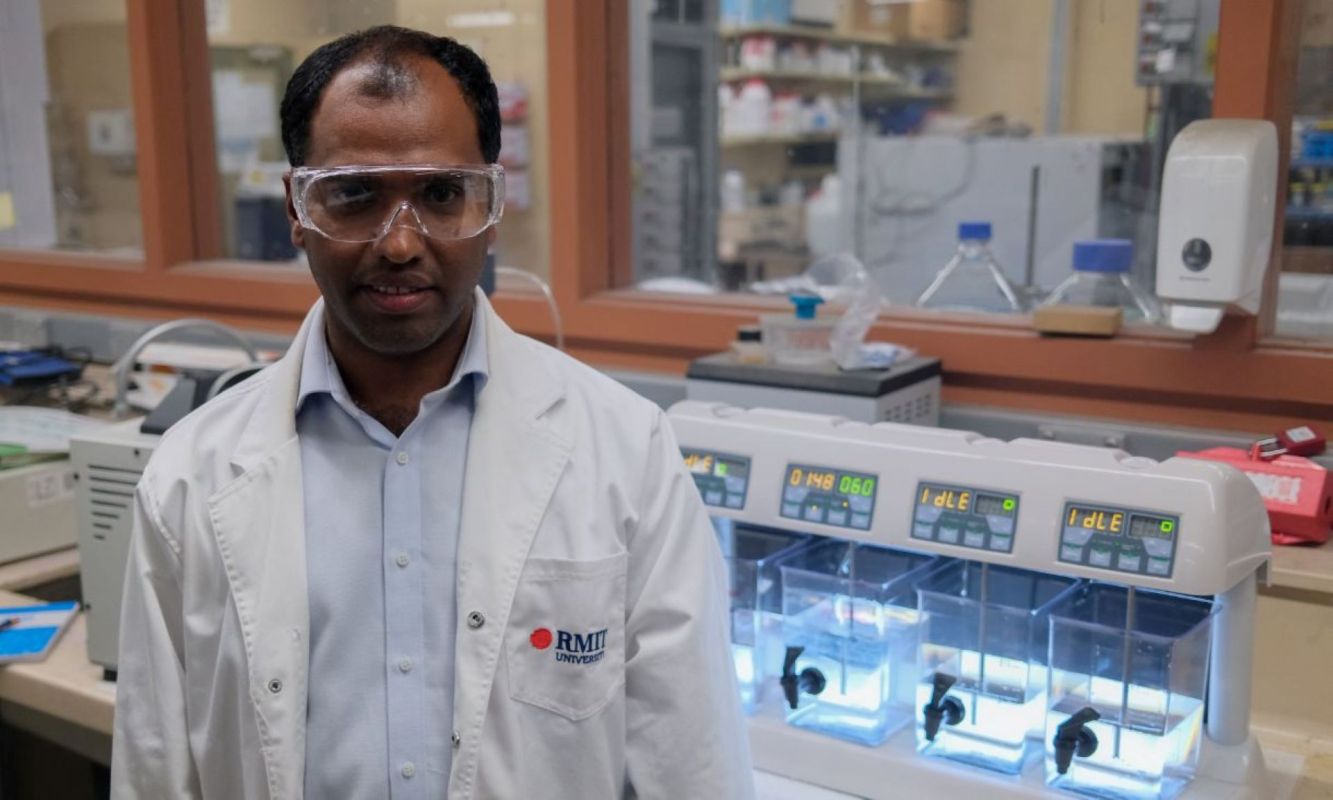
In laboratory tests at RMIT University in Vietnam, researchers found that a conventional dissolved air flotation system performed far better at catching microplastics when researchers used a mix of microbubbles and nanobubbles, according to the Brighter Side of News.
Overall removal topped 90%, and the best-performing trials reached 95% for polyethylene and 97% for polystyrene.
The scientists published their research in the peer-reviewed journal ACS ES&T Water, which stands for the American Chemical Society journal of Environmental Science and Technology.
Wastewater carries plastic particles from clothing, cosmetics, food packaging, and urban runoff. While treatment plants already capture much of this material, the smallest fragments can still slip through, making their way into waterways or becoming concentrated in sewage sludge, which is often spread on agricultural fields.
TCD Picks » Quince Spotlight
💡These best-sellers from Quince deliver affordable, sustainable luxury for all




Associate Professor Biplob Pramanik, lead author of the study and director of RMIT's Water Effective Technology and Tools Research Center, explained to the Brighter Side of News that "wastewater treatment plants are a major pathway for microplastics as they slip through filtration processes, posing risks to ecosystems and human health."
The researchers added that plants might not need entirely new systems to use this method, making it a highly attractive solution. Instead, workers could improve microplastic removal simply by adjusting factors such as pressure, saturation time, and bubble size.
Why does it matter?
The scientists wrote in the study that "these findings demonstrate the strong potential of [bubble] assisted dissolved air flotation for efficient microplastic [and] nanoplastic removal and provide practice insights for upgrading waste water treatment plants."
Because microplastics are now widespread in water systems, scientists are becoming increasingly concerned about how they move through the environment and food chain. Since these particles are so small, they can also carry other pollutants, including heavy metals and organic contaminants.
So keeping more plastic out of treated wastewater could help protect aquatic ecosystems, reduce the spread of contamination, and lower potential human exposure over time.
And because the strategy relies on improving an existing treatment process, utilities may be able to reduce microplastic pollution without taking on significant additional expenses of adding entirely new infrastructure.

Get TCD's free newsletters for easy tips, smart advice, and a chance to earn $5,000 toward home upgrades. To see more stories like this one, change your Google preferences here.






