


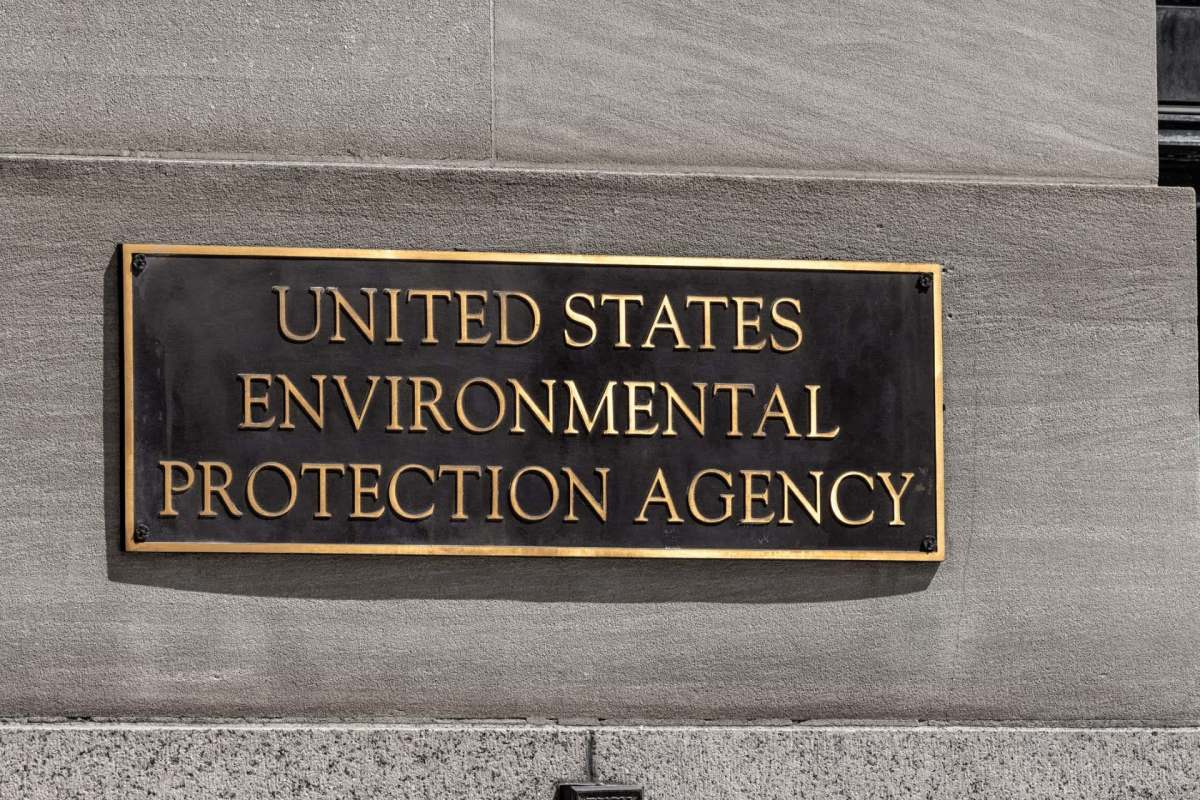
A federal appeals court has sided with the Environmental Protection Agency in a case over air pollution standards for sulfur, nitrogen, and soot, handing the agency a win in a closely watched dispute over how pollution rules intersect with wildlife protections.
Here's what to know
According to Courthouse News, the U.S. Court of Appeals for the D.C. Circuit agreed that the EPA's revised emissions standards would not alter air quality enough to create added danger for species or habitat protected by the Endangered Species Act. Based on that conclusion, a three-judge panel rejected the challenge to the rule.
At the center of the dispute was whether the EPA had properly determined that the revised standards would not affect protected species or the habitats where they live.
The court said the agency's reasoning was sound in light of how little the updated standards differed from the earlier framework.
The judges also highlighted a practical outcome, according to Courthouse News, that no part of the country would newly fall into a category requiring steeper pollution cuts.
More background
The case turned on a relatively narrow legal question, but standards for sulfur pollution, nitrogen pollution, and soot can shape human health, regional haze, and ecosystem damage, especially when air pollution settles into waterways, forests, and other sensitive habitats.
TCD Picks » Quince Spotlight
💡These best-sellers from Quince deliver affordable, sustainable luxury for all




Soot, also known as particulate matter, has been linked to breathing and heart problems. Sulfur and nitrogen pollution can also contribute to acidification and other environmental stresses that affect both people and wildlife. Environmental reviews under laws such as the Endangered Species Act can become major flashpoints when federal agencies update pollution rules.
What's being done?
The decision keeps the EPA's current approach in place while affirming that agencies must still justify how they evaluate environmental impacts. Courts can defer to those findings, but only when the record shows the agency has reasonably explained its position.
Cleaner air standards can affect everything from asthma risks to visibility in national parks to stress on animals and plants in fragile habitats.
Chief U.S. Circuit Judge Sri Srinivasan wrote in his 21-page opinion, "As EPA explained, its proposed rule would not result in any changes to attainment designations nor require implementation of additional pollution controls to reduce emissions beyond what the preexisting [standards] already required."

Get TCD's free newsletters for easy tips, smart advice, and a chance to earn $5,000 toward home upgrades. To see more stories like this one, change your Google preferences here.






