


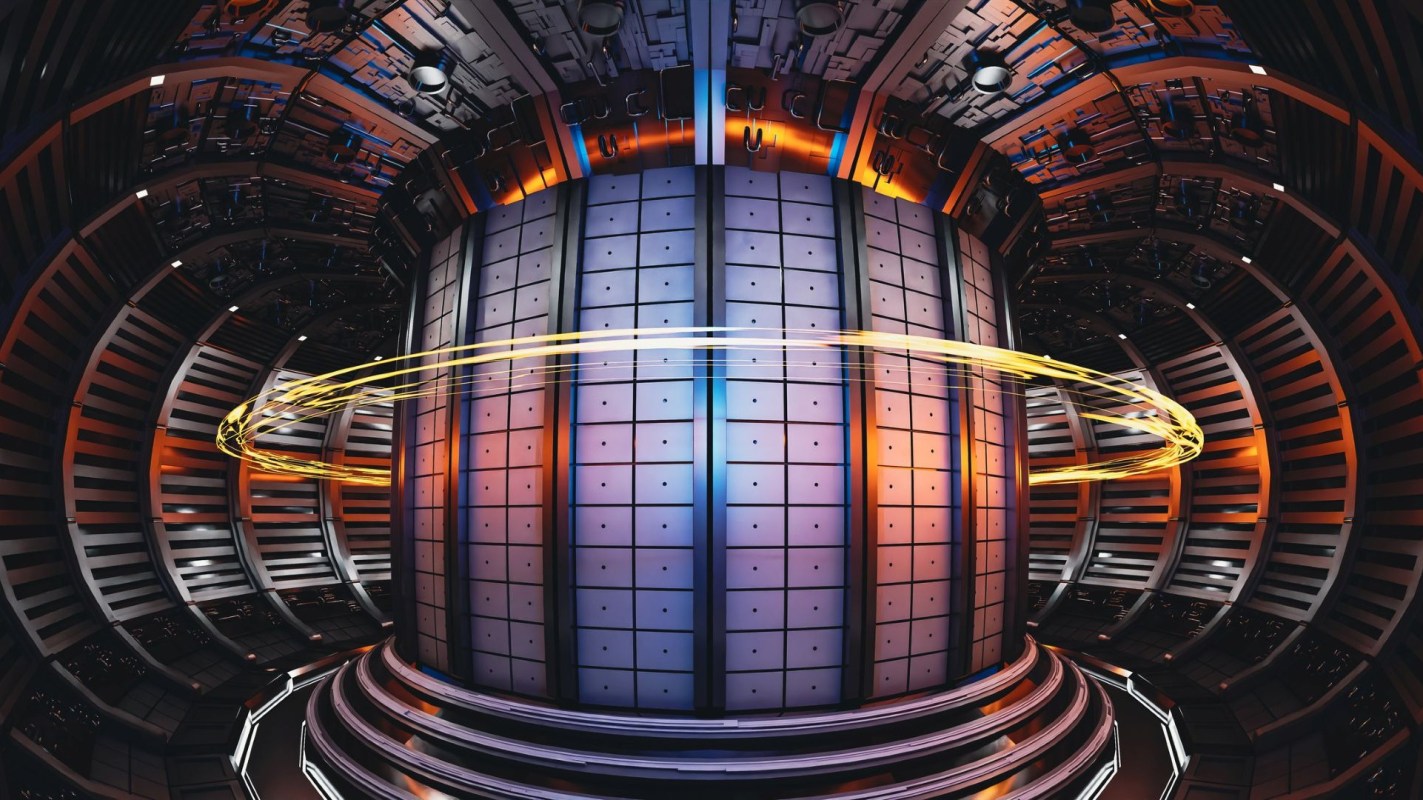
A nuclear fusion company in Washington state is drawing fresh attention online after clearing a major regulatory hurdle, one that could move its long-promised technology from concept to construction.
What happened?
Washington state has issued Helion Energy the two licenses it needed to advance work at its Malaga site, Interesting Engineering reported. One covers radioactive materials, and another covers radioactive air emissions.
Parts of the facility, known as Orion, are already in place, including the assembly and office building.
With these licenses secured, Helion can now proceed with the generator building and other reactor-related infrastructure.
The licensing path for fusion does not match the one used for conventional nuclear fission plants.
Helion is being handled under a byproduct-material framework rather than the rules applied to standard reactors, an approach Congress supported in the ADVANCE Act of 2024.
TCD Picks » Quince Spotlight
💡These best-sellers from Quince deliver affordable, sustainable luxury for all




Why does it matter?
Fusion has long been seen as a potential source of large amounts of electricity without the carbon pollution associated with burning coal, oil, or gas.
Supporters also point to two theoretical advantages: less radioactive waste than nuclear fission and power production that would not depend on whether the wind is blowing or the sun is shining.
Even so, fusion has not yet established itself as a commercial power source, and Helion has not published any peer-reviewed research describing how its reactor works.
Nuclear projects also tend to be expensive and complex, and even with fusion's different safety profile, any radioactive material — even if not long-lasting — can raise understandable public concerns.
Helion also has a deal to supply Microsoft with 50 megawatts of electricity by 2028, along with a transmission interconnection agreement that could allow power from the plant to flow onto the grid.
CEO David Kirtley said, per Interesting Engineering, "We are extremely proud to be granted these licenses from the Washington DOH, making us the first company in the world with the regulatory approvals in place for fusion power plant operations."
He added, "We have a long history of working with the DOH to license our previous fusion activities. Today's announcement represents the rigor of that work and opens the door for practical, commercial, safe fusion power."

Get TCD's free newsletters for easy tips, smart advice, and a chance to earn $5,000 toward home upgrades. To see more stories like this one, change your Google preferences here.






