


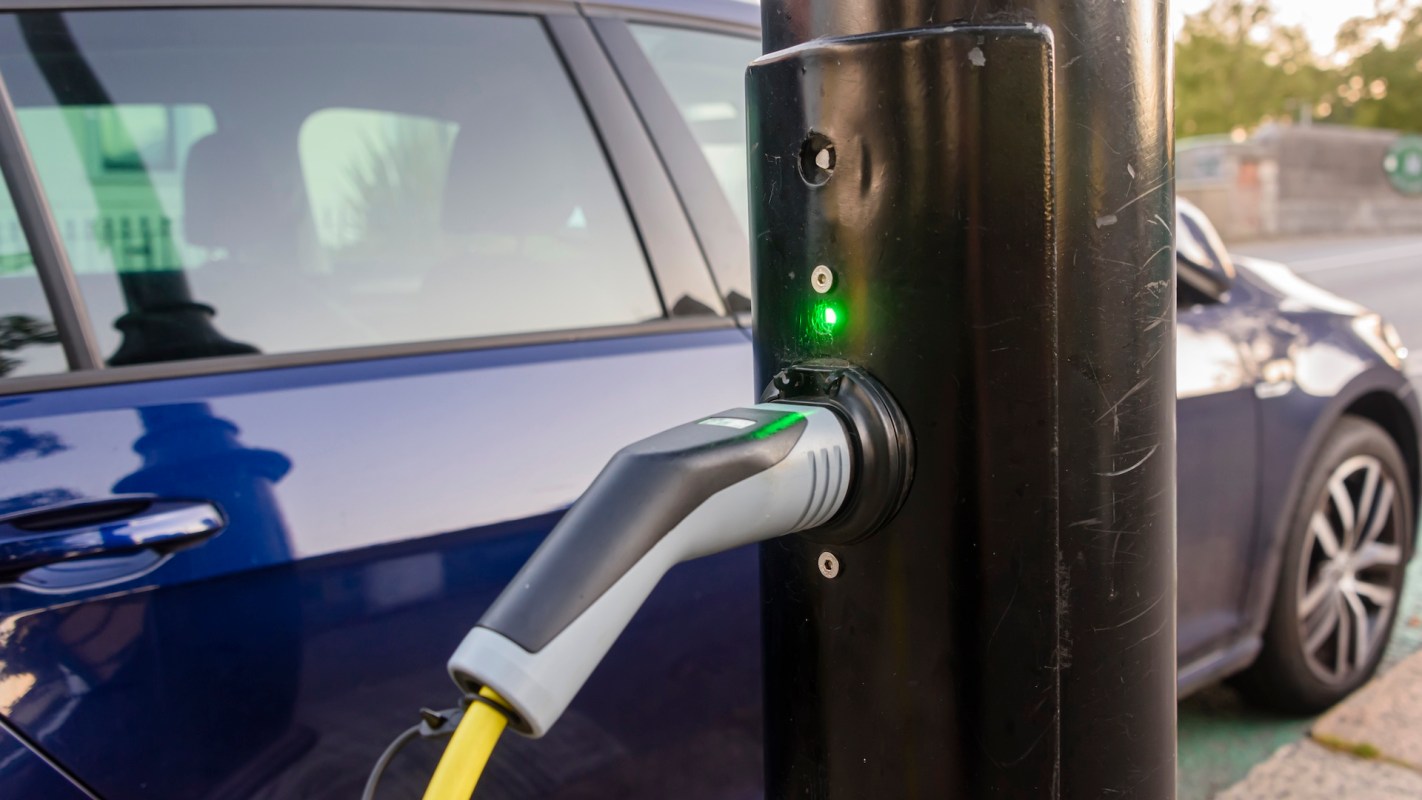
Washington, D.C., is testing a clever solution to one of the biggest hurdles to electric-vehicle ownership in cities: where to charge if drivers don't have a garage.
Rather than building standalone charging sites from scratch, the district is looking at curbside chargers integrated into existing streetlight infrastructure.
What's happening?
According to Carscoops, D.C. is using a $600,000 grant program divided among three companies to turn streetlight infrastructure into EV charging sites.
One company, Voltpost, will add charging hardware to existing streetlights and utility poles, which could make installation quicker and less disruptive than trenching streets or running entirely new conduit. The current plan calls for up to 16 Level 2 chargers around the city.
PowerUp America and It's Electric will also be receiving funds to expand their charging capabilities, increasing access to public charging across D.C.
Carscoops noted that the best part for residents is that the funding won't come from taxpayers — it's money allocated to the District from Volkswagen's emissions-cheating settlement with the Environmental Protection Agency.
TCD Picks » Quince Spotlight
💡These best-sellers from Quince deliver affordable, sustainable luxury for all




Why does it matter?
For people living in cities, access to charging is often the factor that determines whether owning an EV is realistic. Apartment dwellers and people who rely on street parking usually can't just plug in overnight at home, even if they want to ditch a gas-powered car.
Because the wiring and poles are already there, this approach could expand curbside charging with less construction.
The Carscoops article was posted on Reddit, and one user commented: "This is actually pretty smart if they pull it off right. The infrastructure's already there, so you're not laying new conduit all over the place, just swapping out the guts."
People in the thread also questioned how far a pilot this small can go and whether exposed equipment could create new problems. Sixteen chargers won't change an entire city overnight, and one commenter was particularly worried about theft: "Great idea if they can prevent the crack heads from cutting the cables to sell as copper scrap."
Using money from diesel pollution to expand EV charging connects a pollution-related funding source to cleaner transportation. In a dense urban area facing heavy traffic pollution, making cleaner transportation more accessible could offer benefits beyond convenience.
What's being done?
The pilot appears designed to test several charging approaches at once rather than committing to a single model across the entire city.
Another idea raised in the discussion was a bring-your-own-cable model, which commenters said could lower maintenance needs and make theft less of an issue.
One Redditor explained how that works overseas: "In Europe each EV owner has their own cable, the charger is essentially just a J1772 plug. No permanent cables to steal."
There was also anecdotal evidence that at least one company in the pilot is already supporting that setup. "My family member applied for and received the removable cable used in the ItsElectric installs for FREE," another user wrote.
If the pilot works, it could offer a blueprint for other cities: use existing infrastructure, prioritize curbside charging where people actually park, and make EV ownership more realistic for households without private driveways.
"This is not a new idea," one user added, while another summed up the appeal more simply: "So it's a win-win, well done!"

Get TCD's free newsletters for easy tips, smart advice, and a chance to earn $5,000 toward home upgrades. To see more stories like this one, change your Google preferences here.






