


An amateur fossil hunter picked up a jawbone on a Welsh beach that helped researchers untangle nearly 200 years of uncertainty about some ancient European fossils, the BBC reported.
Here's what to know
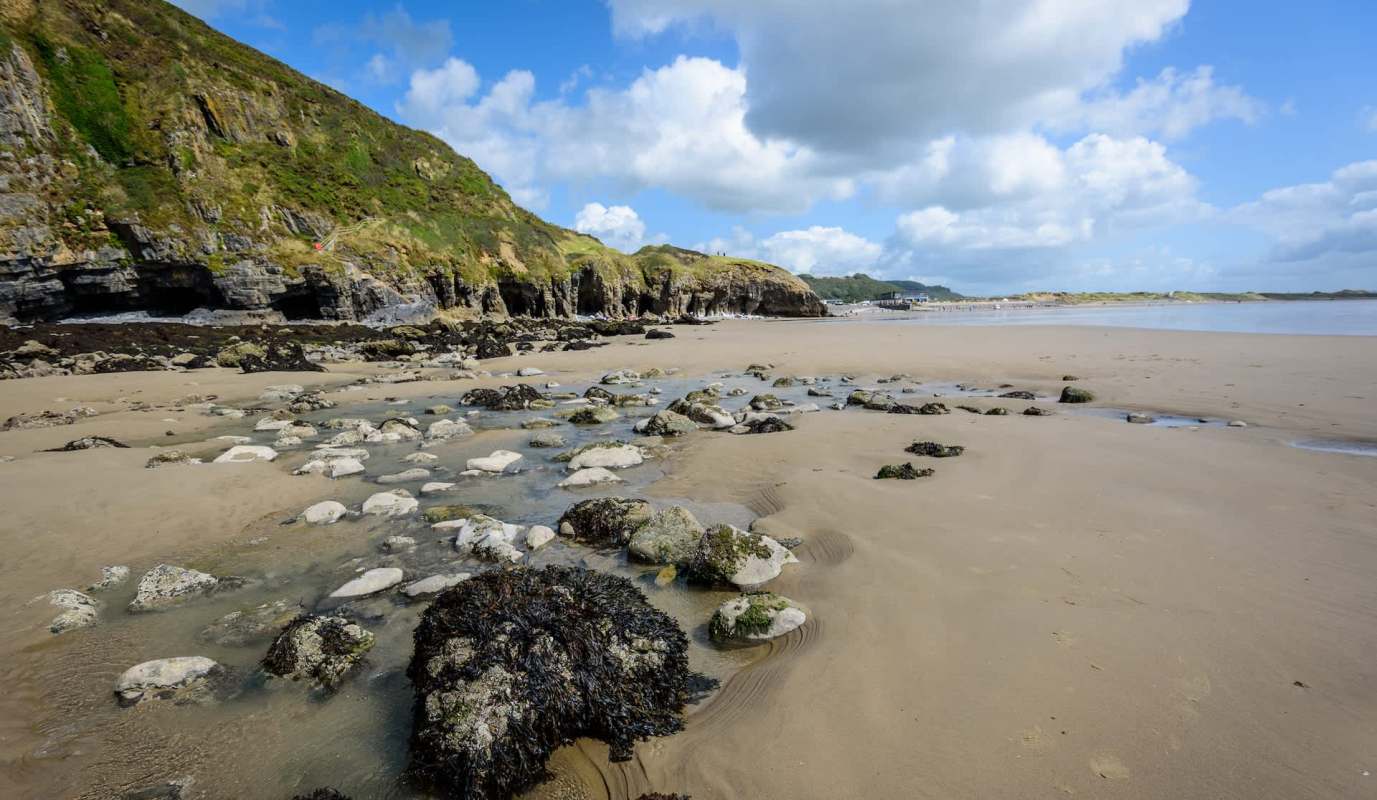
Jonathan Bow of Bridgend, South Wales, found a fossil while spending time at Lavernock in Wales' Vale of Glamorgan in 2012.
Researchers identified the 200-million-year-old jawbone as belonging to Saurichthys, an ancient predatory fish from the Triassic period. That finding also showed that fossils long grouped together as Severnichthys actually came from two separate species.
Scientists from Amgueddfa Cymru - Museum Wales, the State Museum of Natural History in Stuttgart, and the University of Bristol took part in the study.
By comparing Bow's fossil with museum specimens from Britain and Europe in general, they found that an older classification had combined remains from Saurichthys and Birgeria, another fish from the Triassic.
Museum Wales curator Cindy Howells addressed the significance of the finding.
TCD Picks » Quince Spotlight
💡These best-sellers from Quince deliver affordable, sustainable luxury for all




"Many teeth from Saurichthys were once mistaken for those of an amphibian, and that misunderstanding continued well into the 20th century," Howells explained.
"Although British Triassic fossils have been studied for over 200 years, this is the first bone from Saurichthys ever found in these rocks," said Jacob Quinn, University of Bristol lead researcher.
More background
By the time he made the find, Bow had spent about a decade hunting fossils, so the specimen stood out immediately. The BBC stated he said it "was like nothing [he'd] ever spotted on the beach before."
Bow's first thought was that it might be something far stranger.
"I was super excited because I thought it was going to be a miniature crocodile, something brand new," he admitted.
A breakthrough did not come until 2022, when Quinn visited Bow's collection and examined the fossil more closely.
Although it proved to be a fish rather than the crocodile Bow had imagined, he was glad to have "contributed to science."
Co-author Dr. David Whiteside said the two predators lived "in a shallow tropical sea filled with small limestone islands."
"Saurichthys was probably a fast and agile hunter, while Birgeria was larger and more powerful, likely feeding on a wider variety of prey," Whiteside noted.
What's happening next?
The fossil is expected to go on display at the National Museum Cardiff later this year.
Co-author Dr. Sam Cooper acknowledged that everyday people can make remarkable discoveries in the natural world.
"It's amazing that a single fossil, found by Jonathan Bow during a spring tide, has helped clear up nearly 200 years of confusion," Cooper observed.
Where can I learn more?
Other fossil discoveries have also changed how scientists understand ancient fish and reptiles.
• In New Zealand, late field notes solved the 1999 mystery of a mummified cliffside fish.
• A fossil jaw from southern France pushed Europe's giant reptile timeline back 30 million years.
• A hiker photographed a disturbing scene near fossils that alarmed visitors to Gettysburg National Park.

Get TCD's free newsletters for easy tips, smart advice, and a chance to earn $5,000 toward home upgrades. To see more stories like this one, change your Google preferences here.






