


Common PVC items such as pipes, old credit cards, and worn-out toys might one day have a use beyond the landfill.
Scientists at Virginia Tech say they have created a way to convert waste PVC, a notoriously stubborn plastic to process, into a high-performance lubricant oil.
Here's what to know
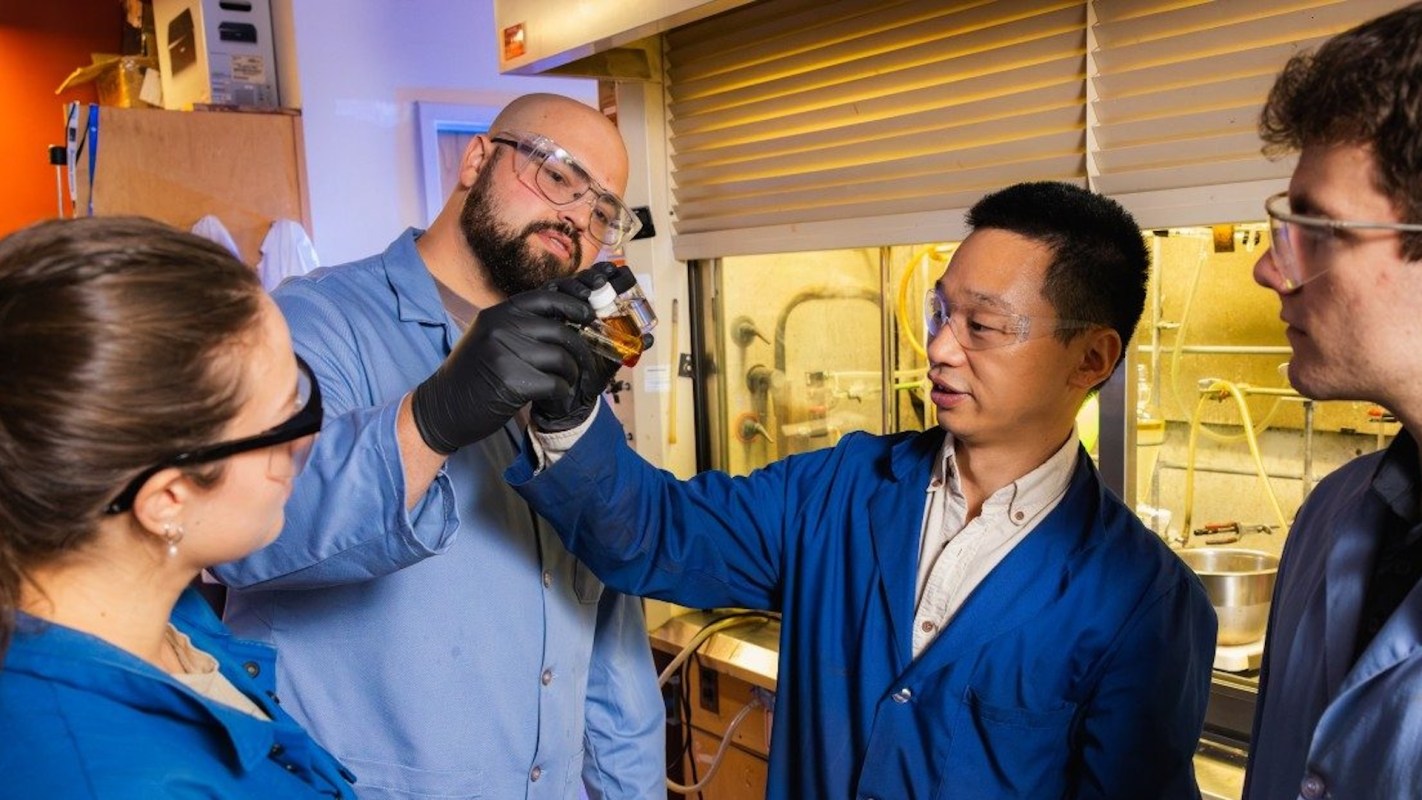
In a Nature paper, Virginia Tech chemist and chemical engineer Guoliang "Greg" Liu and his colleagues described converting polyvinyl chloride, or PVC, into polyalphaolefin, known as PAO, the base oil in high-performance lubricants.
As The Brighter Side of News reported, the method stripped out virtually all chlorine under key conditions and yielded oils whose viscosity, friction behavior, and wear resistance matched commercial PAO products.
PVC is found in products like plumbing, window frames, gloves, toys, and cards, but Virginia Tech says few common plastics give recyclers more trouble. Part of the challenge is its chemistry: chlorine accounts for roughly 57% of the material by weight and can create corrosive compounds during processing.
Liu said, "We want to help improve the recycling and upcycling of PVC."
TCD Picks » Quince Spotlight
💡These best-sellers from Quince deliver affordable, sustainable luxury for all




Virginia Tech and The Brighter Side of News said the team also tested the process on discarded PVC items including pipes, cards, gloves, and toys.
More background
Virginia Tech says PVC recycling is further complicated by the additives often mixed into the plastic, including plasticizers, stabilizers, fillers, and flame retardants. Because those ingredients make clean recycling harder, large amounts of PVC end up in landfills, where they can raise pollution concerns for soil and groundwater.
Instead of producing lower-value recycled plastic, the researchers pursued a more valuable result, according to The Brighter Side of News. Their mild chemical approach removed chlorine, added hydrocarbon chains, and broke the material into molecules in the size range of oils.
According to Virginia Tech, lubricant oils are used in everything from cars and lawn equipment to industrial machinery and aircraft. If some of that supply could come from discarded plastic, it could reduce pressure on conventional production while keeping useful materials in use longer.
The technology may also offer an economic incentive. The team's model projected that a plant producing 55,116 US tons (50,000 tonnes) of lubricant per year might deliver a 22.8% internal rate of return, with a projected payback period of 4.26 years, according to The Brighter Side of News.
What's being done?
According to Virginia Tech, the researchers are continuing to refine the method and explore how to scale it up.
According to the study, one promising result involved using the solvent hexanes, which raised lubricant yield to about 89.5% in testing and helped limit unwanted side reactions.
The study also found that changing reaction conditions and the type of alpha-olefins used could adjust the final oil's performance. In other words, the product may not need to be one-size-fits-all and could potentially be tailored for different industrial applications.
For companies and communities, that flexibility could help make PVC recovery more financially attractive, which is often one of the biggest barriers to recycling. When discarded material can be turned into a premium industrial product, there is more incentive to collect and process it instead of sending it to the dump.
For households looking to reduce plastic waste before it becomes a disposal problem, check out the TCD Guide's page on choosing plastic-free options for everyday products.
As Liu put it, "Lubricants are the silent hero out there. We often don't recognize they exist, but they are out there working quietly. We want to be able to produce the oil on a larger scale to reach more people in the world."
Where can I learn more?
Virginia Tech's PVC-to-lubricant work is part of a broader effort to get more value from plastic waste before it ends up in a landfill. These stories explore that shift from a few angles, including other Virginia Tech recycling research and projects turning discarded plastic into fuel, energy devices, and biodegradable materials.
• At Virginia Tech, researchers are advancing breakthroughs that could revolutionize plastic recycling across stubborn waste streams.
• Scientists are turning discarded plastics into hydrogen, creating powerful clean fuel from trash.
• Researchers are using plastic garbage in valuable energy applications that squeeze more use from waste.
• Scientists have identified promising new source material for biodegradable plastic in insect remains.
Plastic upcycling is moving well beyond the usual recycling playbook. That momentum could give technologies like PVC-to-oil recovery a better shot at scaling up.

Get TCD's free newsletters for easy tips, smart advice, and a chance to earn $5,000 toward home upgrades. To see more stories like this one, change your Google preferences here.






