


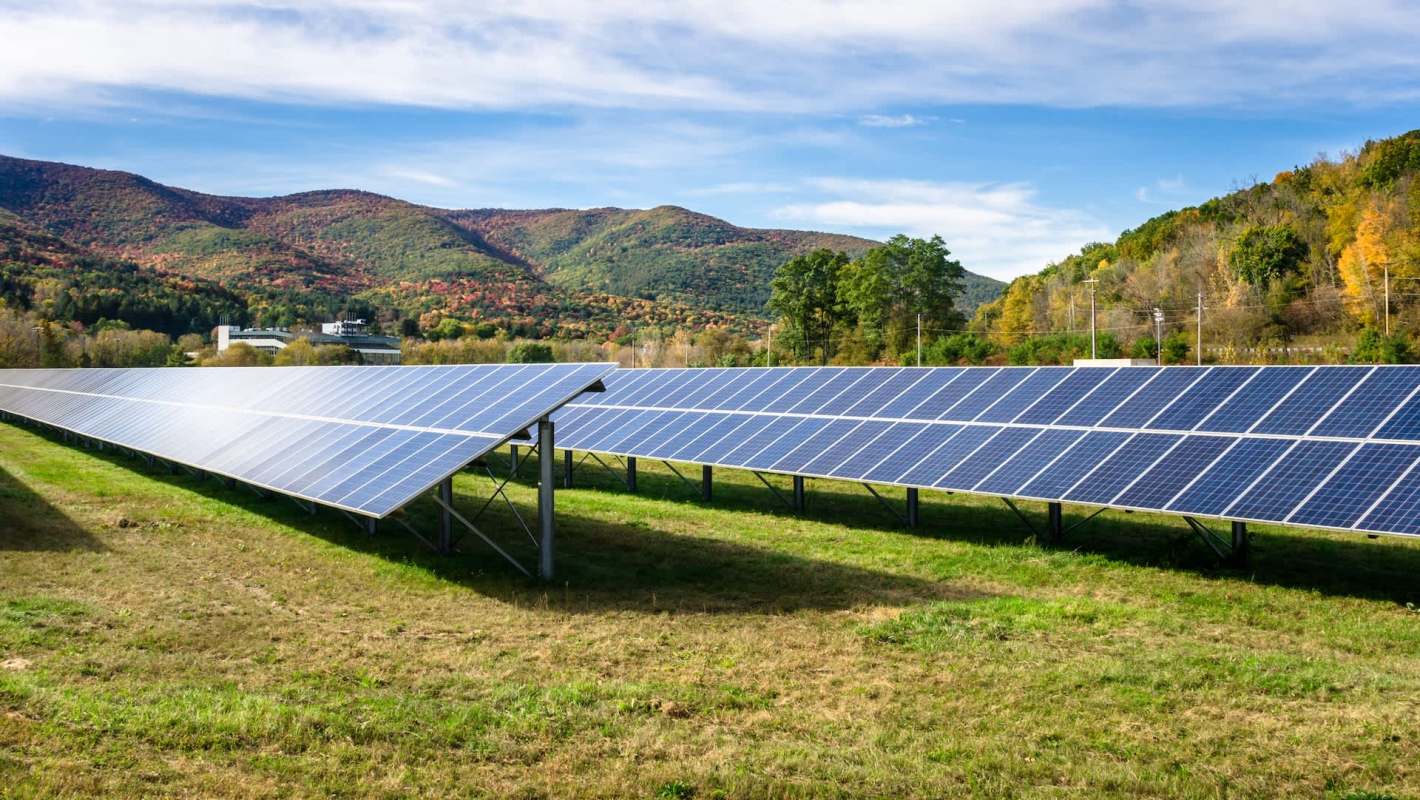
A Norfolk church reduced its electric bills by 20% after installing solar panels and used the savings to help congregants facing financial hardship. However, the cancellation of a $7 billion federal solar program has blocked similar opportunities for thousands of Virginia households.
Here's what to know
Virginia received a $156 million award through the federal Solar for All program, but only $730,000 went toward planning before the remaining funding was cut off, according to WHRO. Lee Zeldin, the current administrator of the U.S. Environmental Protection Agency, announced the program's termination in August 2025.
The termination came just months before solar installations were scheduled to commence in December 2025. Installations under the program would have continued through December 2029.
From the outset, Virginia had planned to spend one year designing the program and the next four implementing projects. However, that decision turned out to be crucial, as the current administration canceled the program before implementation began.
Even without federal incentives, solar remains one of the best ways for individuals and communities to save money on energy costs. For homeowners in particular, solar leases can deliver hundreds of dollars in monthly savings without upfront costs. Homeowners can use EasyHome's free explorer tool to see their potential savings from vetted installers in their area.
More background
Virginia's plan has involved setting aside $49 million for solar installations serving 6,400 single-family residences, according to WHRO. The panels must cut household electricity costs by at least 20%.
Another $49 million would equip 4,480 apartments and other multifamily residences with solar generation and battery backup, giving residents access to electricity during grid outages.
The remaining $58 million would have supported grid connections, workforce development, and shared-solar projects, per WHRO. These community-based arrays could have helped residents whose homes weren't suitable for rooftop panels benefit from solar power.
Crushed by your bills? See instant solar savings from vetted installers in just a few clicks With energy prices through the roof, there's never been a better time to go solar — and EasyHome can help you find the best prices from the best installers in your area. EasyHome takes the guesswork and headaches out of energy upgrades by showing you estimated savings from a network of vetted local partners. To get started, just enter your ZIP and share a few details about your home — seeing your estimate is really that easy. |

Nationwide, Solar for All would have delivered more than $350 million in savings to at least 900,000 households over the five-year period ending in 2029, according to WHRO.
A solar success story
Brandon Praileau, a Norfolk minister, has seen firsthand the significant difference that solar can make. When a 10.1-kilowatt solar array began operating in a space adjacent to Wesley Union A.M.E. Zion Church in Huntersville in 2021, Praileau's congregation saw a 20% drop in its monthly electric bills, WHRO reported.
Having observed the benefits solar can provide, Praileau lamented the Solar For All program's cancellation, saying, "For low-income folks, this kind of disappointment is akin to what they're used to. A promise is made, then they're told it's not going to happen."
"Once again, the underserved get left behind," he added, per WHRO.
What's being done?
To restore the funding, the Southern Environmental Law Center and other organizations sued on behalf of Solar United Neighbors, according to WHRO. In September 2025, U.S. District Judge Mary McElroy ruled that terminating Solar for All was "contrary to law and in excess of the EPA's authority," WHRO reported.
Another U.S. District Judge, Tanya Chutkan, issued a similar ruling in another case brought on behalf of grant recipients. However, despite the orders to restore funding, the money has remained frozen.
For homeowners exploring solar, EasyHome offers a free way to compare potential savings from vetted local installers. EasyHome can also help homeowners explore backup battery storage options. Pairing solar with a battery lets homeowners maximize savings while also powering their home with solar when the grid goes down.
Where can I learn more?
Federal funding was just one part of Virginia's push to lower energy bills and keep power on during outages.
• Virginia launched its first statewide solar bulk-buying drive, aiming to lower household electricity bills.
• Virginia unlocked $67 million once withheld to help 1,000 homes reduce their energy bills.
• Virginia counties that restricted solar development risked losing local control to Richmond.
• Virginia schools added solar-powered shelters with batteries to withstand extreme weather and power outages.

Get TCD's free newsletters for easy tips, smart advice, and a chance to earn $5,000 toward home upgrades. To see more stories like this one, change your Google preferences here.






