


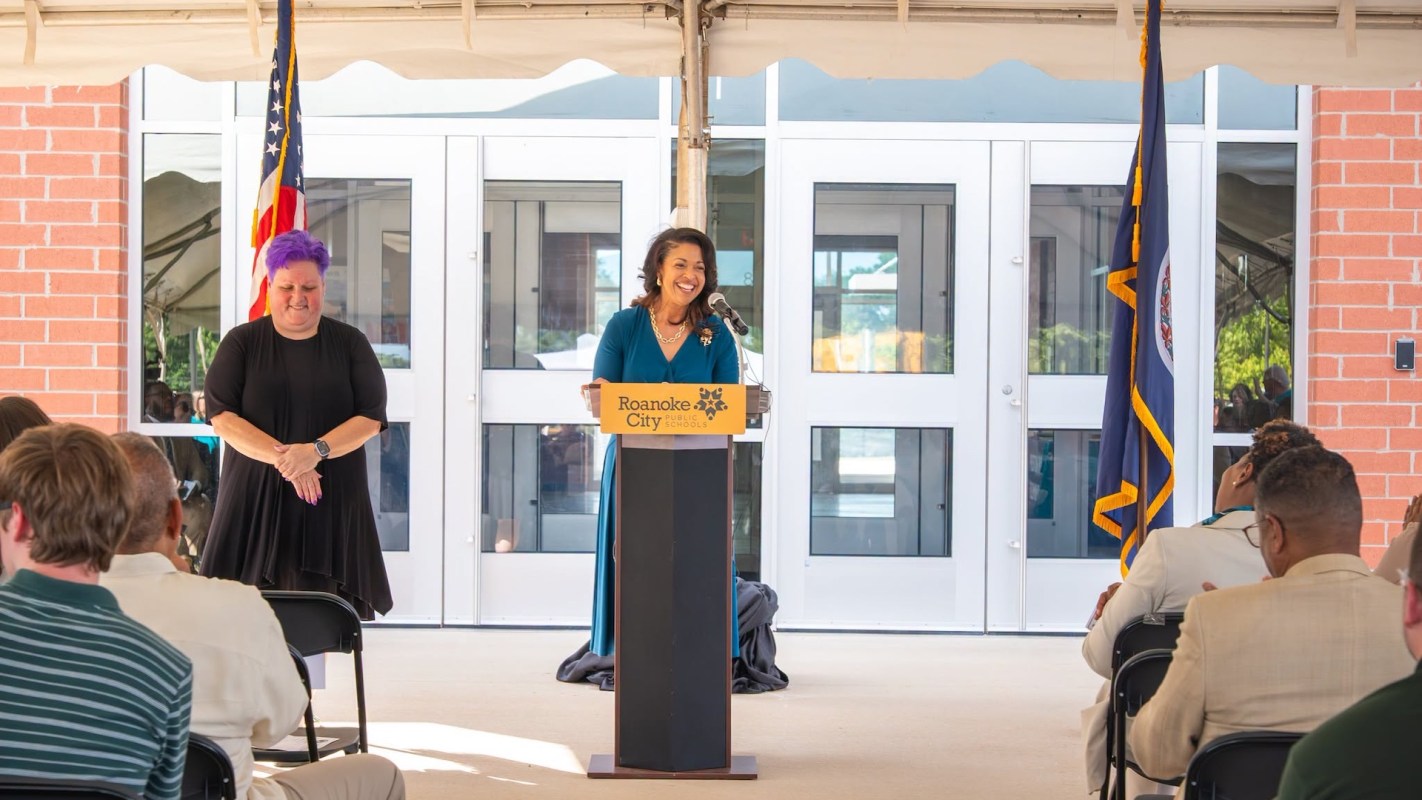
As heat waves, ice storms, and power outages put increasing pressure on communities, one Virginia school district is working to make its campuses cleaner and more resilient when residents need them most.
In Roanoke, that means pairing solar panels with battery storage at the very schools people may be counting on in an emergency.
Here's what to know
According to Canary Media, Roanoke City Public Schools will install solar-and-battery microgrids at its two high schools, which also serve as official disaster shelters. The district is expected to be the first in Virginia to make this type of school-based storage investment, extending an already notable solar effort.
Generation180, a national nonprofit based in Charlottesville, said batteries are still uncommon at school buildings across the country. That shortfall matters because schools make up 60% of FEMA-designated relief shelters in Virginia and about half nationwide.
The district serves about 14,000 students and leads Virginia in school solar capacity, with nearly 9.4 megawatts installed or planned across 29 rooftops and other sites. Those systems are projected to provide about 44% of the district's energy needs and cut electric bills by more than $22 million over 35 years.
For households, the school district's approach also highlights a practical lesson: Going solar is one of the best ways to save money on home energy. If you're considering it, you can explore EnergySage for free solar installation estimates and to compare quotes.
More background
These batteries are being added at schools residents may depend on during disasters. Jeff Shawver, senior director of school plants for Roanoke City Public Schools, described the backup-power cycle this way: "They'll run on the battery until such time as it's discharged. Then the diesel generators are cut on. Then, the next day, the sun comes up, and you start charging the battery again. It just keeps the cycle going."
That setup allows shelter operations to rely less on diesel alone, using stored solar power to keep services running while lowering fuel use and pollution.
Save $10,000 on solar panels without even sharing your phone number Want to go solar but not sure who to trust? EnergySage has your back with free and transparent quotes from fully vetted providers that can help you save as much as $10k on installation. To get started, just answer a few questions about your home — no phone number required. Within a day or two, EnergySage will email you the best local options for your needs, and their expert advisers can help you compare quotes and pick a winner. |

Canary Media reported that the project is funded in part by a grant from Virginia's Department of Emergency Management, along with a donation from commercial solar installer Secure Solar Futures. Tish Tablan, senior program director at Generation180 and a former teacher, noted, "The grant has been around for a few years. They are the first to utilize it for a solar microgrid instead of diesel."
What's being done?
Canary Media also reported that many of Roanoke's solar projects include new roofs, a strategy expected to save the district $24 million in capital costs.
For homeowners, free tools can make similar planning much easier. EnergySage offers free services that help shoppers compare vetted installers, evaluate quotes, and make smarter decisions before committing to a system. With EnergySage's help, the average person can save up to $10,000 on solar purchases and installations.
You can also use EnergySage's solar map, which shows the average cost of a home solar panel system by state, along with solar panel incentives in each state. Together, those resources can help people get the best price for rooftop solar panels and access available incentives.
More From EnergySage
💡Go deep on the latest news and trends shaping the residential solar landscape
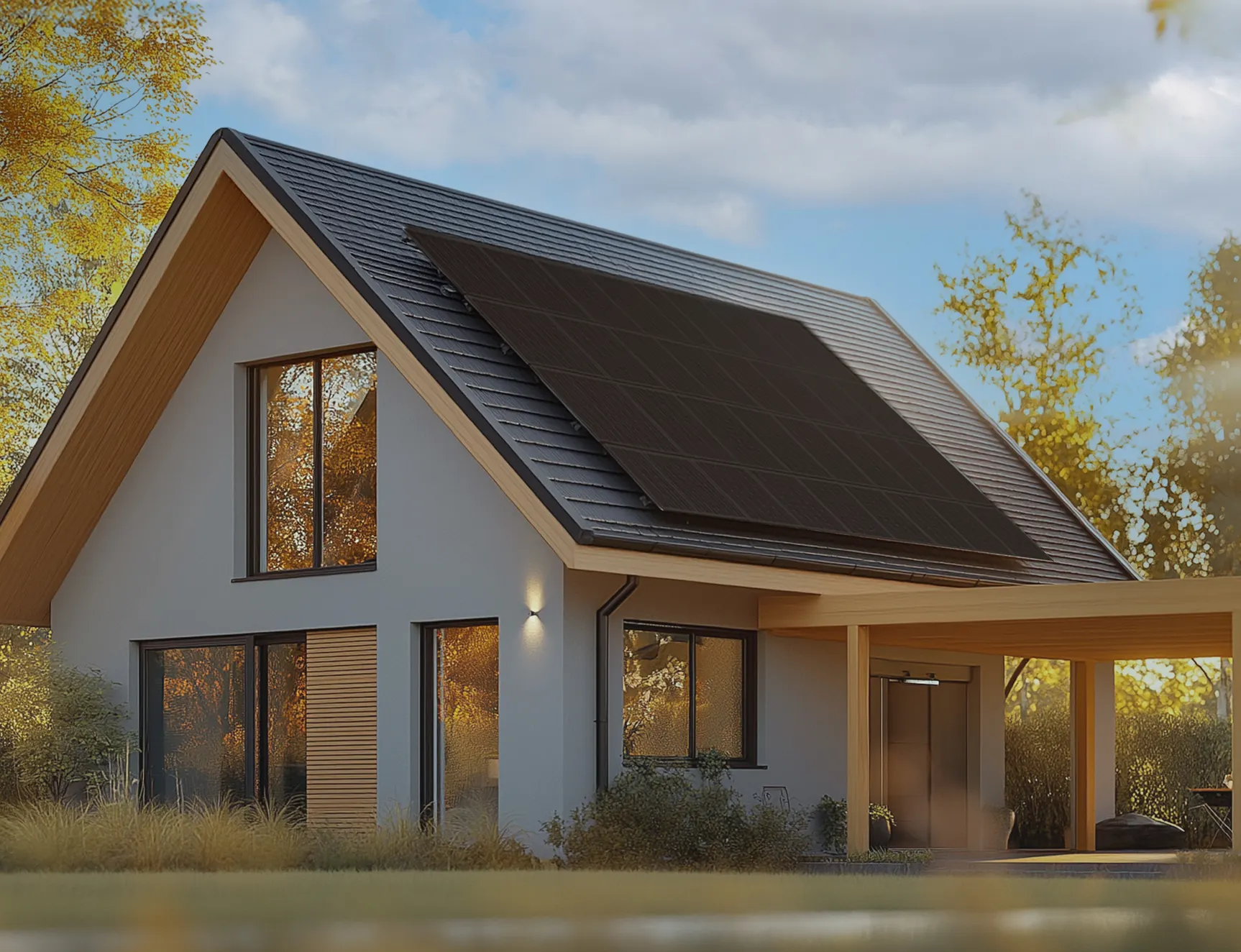
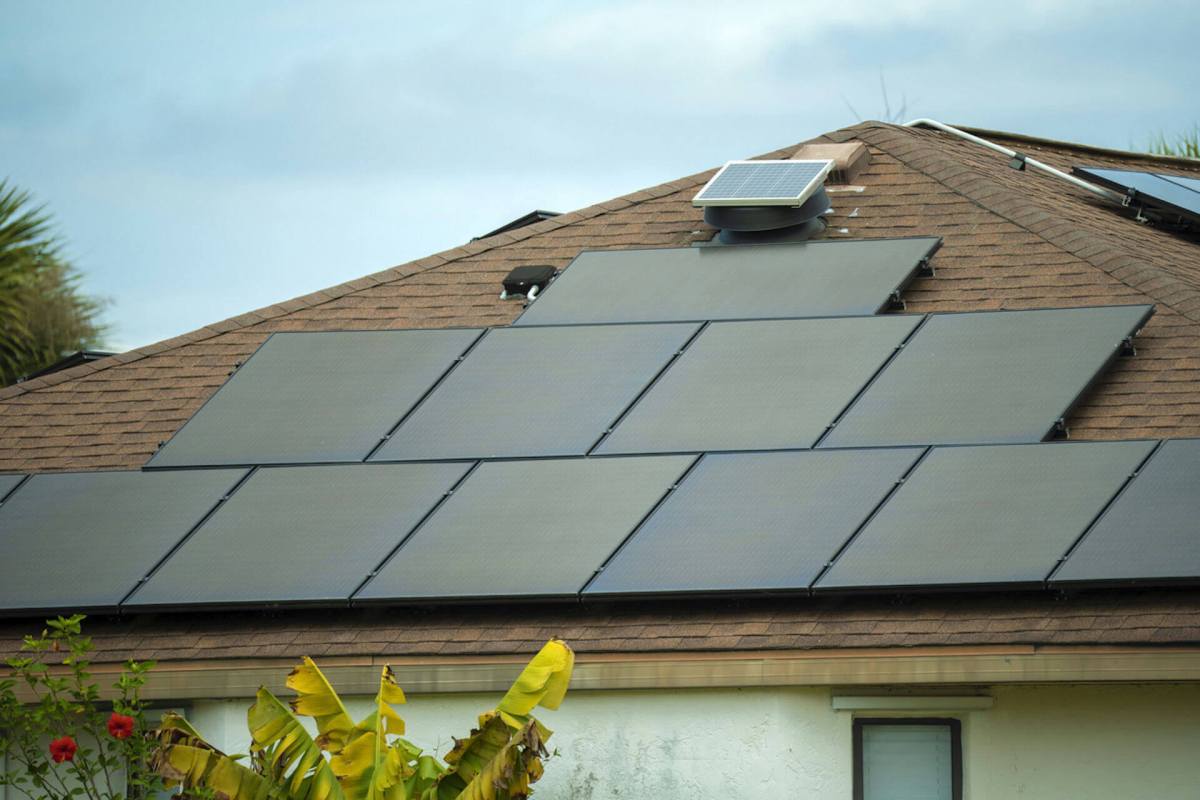
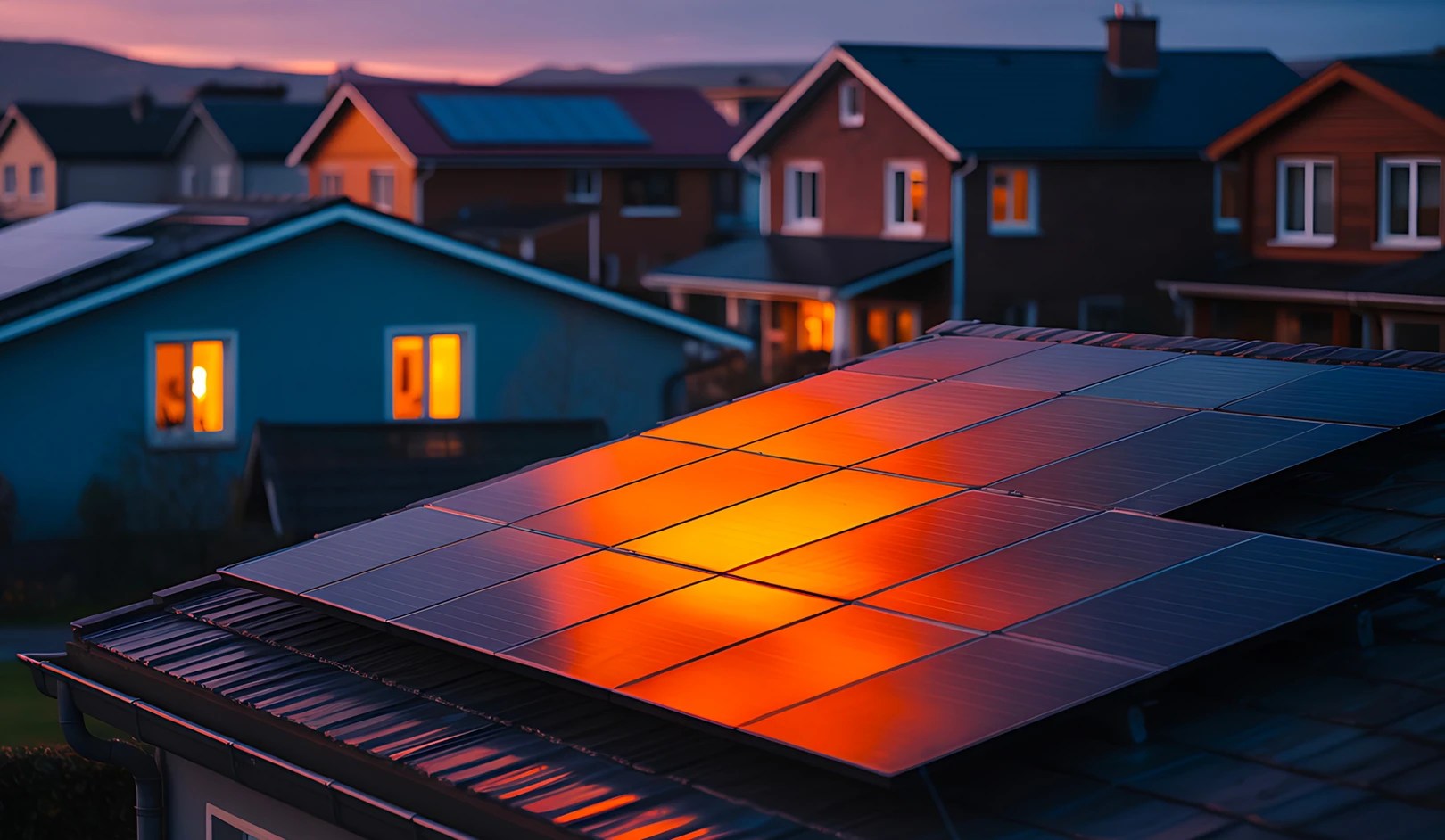

Adding battery storage to a solar setup is also one of the best ways to protect your home during outages, save money on energy, and go off-grid. Home batteries can store cheaper, cleaner power for when you need it most, which can be especially valuable during storms or periods of high electricity demand. If you want to compare options, explore EnergySage for information about home battery storage and competitive installation estimates.
Tablan also emphasized the broader role schools play in civic life: "Schools are also the hubs where citizens vote, where groups gather, and now increasingly where neighbors need to huddle or seek shelter during emergencies," she said, according to Canary Media. "So they're just critical parts of our communities."
Where can I learn more?
Roanoke's school microgrids are part of a bigger shift toward using solar and batteries when the grid goes down. These articles show how the same approach is helping at homes, on public streets, and in places disrupted by conflict, where reliable local power can keep key services going.
• Across the U.S., solar, batteries, and EVs are helping households weather blackouts and rising bills.
• In Florida, solar-powered streetlights stay lit when storms knock out surrounding power.
• In Ukraine, rooftop solar becomes a lifeline as attacks disrupt power plants and fuel.
When power is generated and stored close to where it's needed, communities can often stay safe and keep functioning during emergencies.

Get TCD's free newsletters for easy tips, smart advice, and a chance to earn $5,000 toward home upgrades. To see more stories like this one, change your Google preferences here.






