


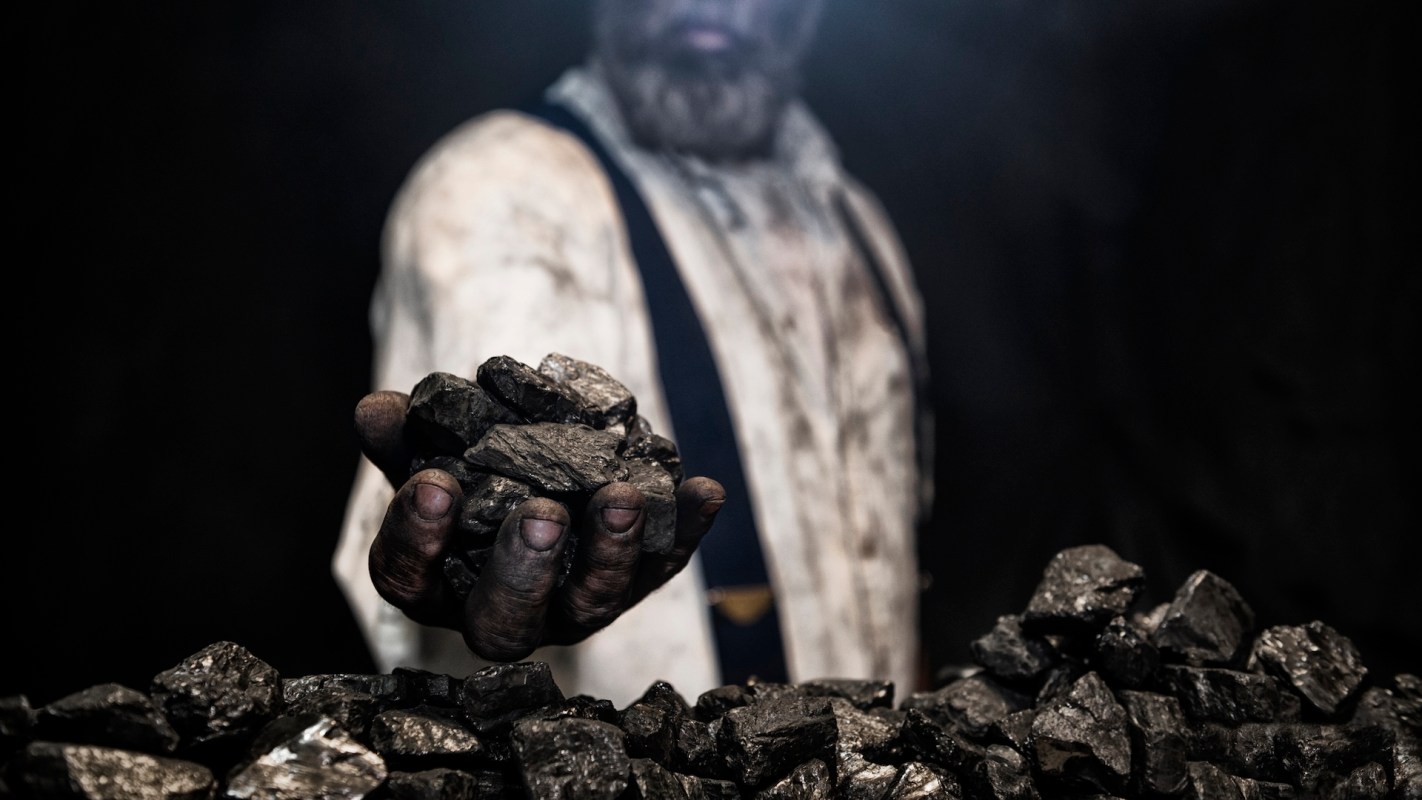
After developing black lung at age 47 from exposure to toxic silica dust in Virginia's coal mines, the National Black Lung Association vice president, John Robinson, is still pushing for stronger protections while tougher federal exposure limits remain on hold.
Here's what to know
The Mine Safety and Health Administration proposed changes to a 2024 silica rule that a federal appeals court paused amid legal challenges from the mining industry, Grist reported.
The proposal maintains an exposure limit of approximately 50 micrograms per cubic meter but changes monitoring and enforcement requirements.
With the rule on hold, miners remain under standards that effectively allow roughly 100 micrograms per cubic meter. Coal companies were supposed to comply by April 2025 with the 2024 rule, which matched the Occupational Safety and Health Administration's exposure threshold for other industries.
The proposed changes include a 21% testing margin of error before companies face fines. They would also replace mandatory sampling every six months in underground mines with assessments by mine operators and testing "as frequently as necessary."
More background
Black lung is an incurable, progressive respiratory illness caused by breathing in coal dust and tiny silica particles that can be fatal. The resulting inflammation leaves lung tissue scarred and stiff, making breathing increasingly difficult.
TCD Picks » Quince Spotlight
💡These best-sellers from Quince deliver affordable, sustainable luxury for all




Severe disease, including progressive massive fibrosis, has accompanied the rise in silica exposure among miners in Central Appalachia. Disease rates have reached their highest level in 50 years.
A National Institute for Occupational Safety and Health study, published in the American Journal of Respiratory and Critical Care Medicine, found that black lung rates are rising across age groups, including among miners aged 20 to 39, according to Grist. During the agency's routine screenings over a three-year period, more than one-third of Central Appalachian miners tested positive.
Beyond changes to dust monitoring, the proposal would let new miners in metal and nonmetal operations choose whether to undergo initial medical exams. Those exams would establish a baseline for identifying workplace-related disease, whose symptoms may take decades to appear.
What's being done?
Sixty-year-old Robinson and his wife, Vonda Robinson, the National Black Lung Association's president, plan to keep pushing for stronger silica protections. Grist reported that miners, their families, and advocates have sought those protections for more than 50 years.
Virginia Tech mining expert Emily Sarver favors advancing the proposal rather than facing further delays.
"I don't think our current legacy rule is sufficiently protective," she said, per Grist. "I think the new rule that was passed in 2024 on paper looks more protective, but I think there's certain problems with it."
A Department of Labor spokesperson noted a 60-day public-comment period beginning November 12 and a virtual meeting on December 15. The Mine Safety and Health Administration estimated the proposal would save mining companies $28.7 million annually, including $2.43 million for coal companies, mostly through monitoring changes.
But Appalachian Citizens' Law Center policy analyst Brendan Muckian-Bates warned Grist that the revisions could seriously undermine the safeguards supporting the tighter exposure limit.
"If us older coal miners don't get nothing out of this, we can help the next batch of coal miners [that] is going to come up that's going to be extremely sick," Robinson said. "This don't go away. This is going to last for years and to [their] death."

Get TCD's free newsletters for easy tips, smart advice, and a chance to earn $5,000 toward home upgrades. To see more stories like this one, change your Google preferences here.






