


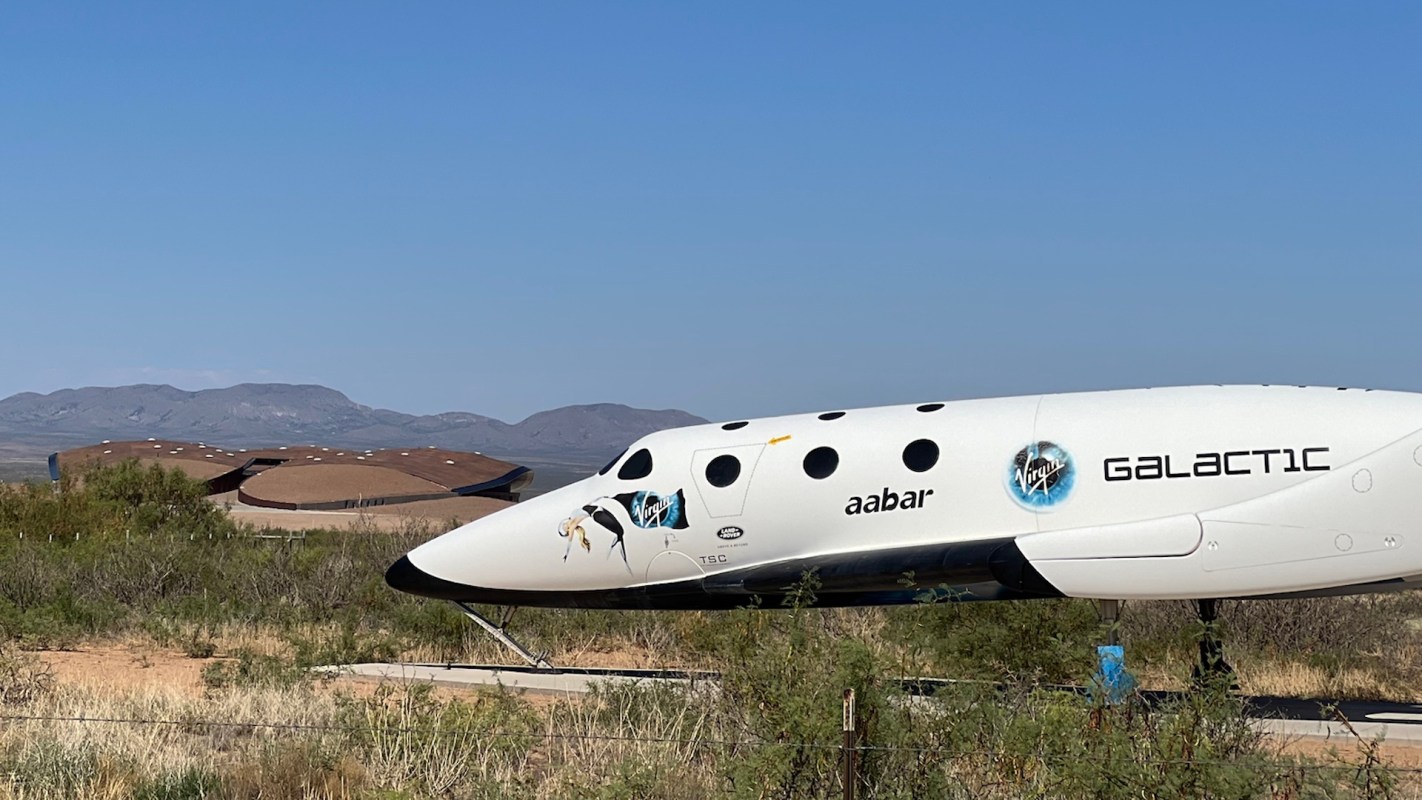
Virgin Galactic is preparing to resume its paid space-tourism flights between April and June 2027, offering $750,000 tickets for a 90-minute trip, according to Gizmodo.
For that price, passengers will experience just three to four minutes of weightlessness.
Here's what to know
Virgin Galactic's New Mexico operating site is home to Apeiron, the company's first Delta-class spaceplane.
The vehicle was built in Arizona and made the trip beneath the Eve mothership.
Apeiron can carry six passengers — its predecessor, VSS Unity, could carry four. Those two additional paying passengers are central to the company's efforts to generate more revenue from each flight.
At roughly 44,500 feet, the carrier releases Apeiron, which fires its rocket engines and climbs toward its peak altitude.
TCD Picks » Quince Spotlight
💡These best-sellers from Quince deliver affordable, sustainable luxury for all




Until that release, the spaceplane rides beneath the center wing of the Virgin MotherShip Eve carrier.
Passengers can then leave their seats and drift through the cabin during the brief period of weightlessness before the spaceplane begins its descent, Gizmodo noted.
More background
The steep price tag is the latest increase since Virgin Galactic began selling tickets in 2005 at $200,000 per seat.
Prices subsequently rose to $250,000, then to $450,000 when sales reopened in 2021, and to $600,000 by 2024.
The company announced the $750,000 price in late March.
The increases come as Virgin Galactic tries to turn its luxury offering into a sustainable business. Developing and maintaining reusable spacecraft remains expensive, and space tourism has yet to become profitable.
After the last crew returned in June 2024, Virgin Galactic suspended flights to cut expenses and focus on developing a replacement rather than continuing to operate the older vehicle.
VSS Unity completed seven passenger-carrying suborbital flights in 2023 and 2024.
What's being done?
The company is also beginning flight-readiness preparations for more than 100 ticket holders, with other customers set to enter that process in stages.
In New Mexico, Apeiron's test-flight series preparations are underway.
While Unity was limited to one flight per month, Apeiron's design calls for as many as eight flights per month.
Reducing maintenance between trips is a major part of Virgin Galactic's plan, but the proposed pace remains a design goal rather than an established commercial operating record.
Meanwhile, would-be space tourists face fewer options.
Competitor Blue Origin said in January that its suborbital tourist service would stop for a minimum of two years while it prioritizes lunar lander development for NASA's Artemis program.
The vehicle's planned maximum altitude is 54.2 miles, below the Kármán Line — the internationally accepted space boundary at an altitude of 62 miles.
Where can I learn more?
Virgin Galactic's $750,000 tickets put space tourism at the high end of luxury flight. These stories cover private jet spending, SpaceX gains, and how the 1% travels.
• The U.S. private jet boom carries costs for taxpayers and the climate.
• SpaceX's surge helped push Elon Musk's fortune above $1 trillion again, widening his wealth lead.
• AI billionaires are driving luxury transport spending as other U.S. shoppers cut back.

Get TCD's free newsletters for easy tips, smart advice, and a chance to earn $5,000 toward home upgrades. To see more stories like this one, change your Google preferences here.






