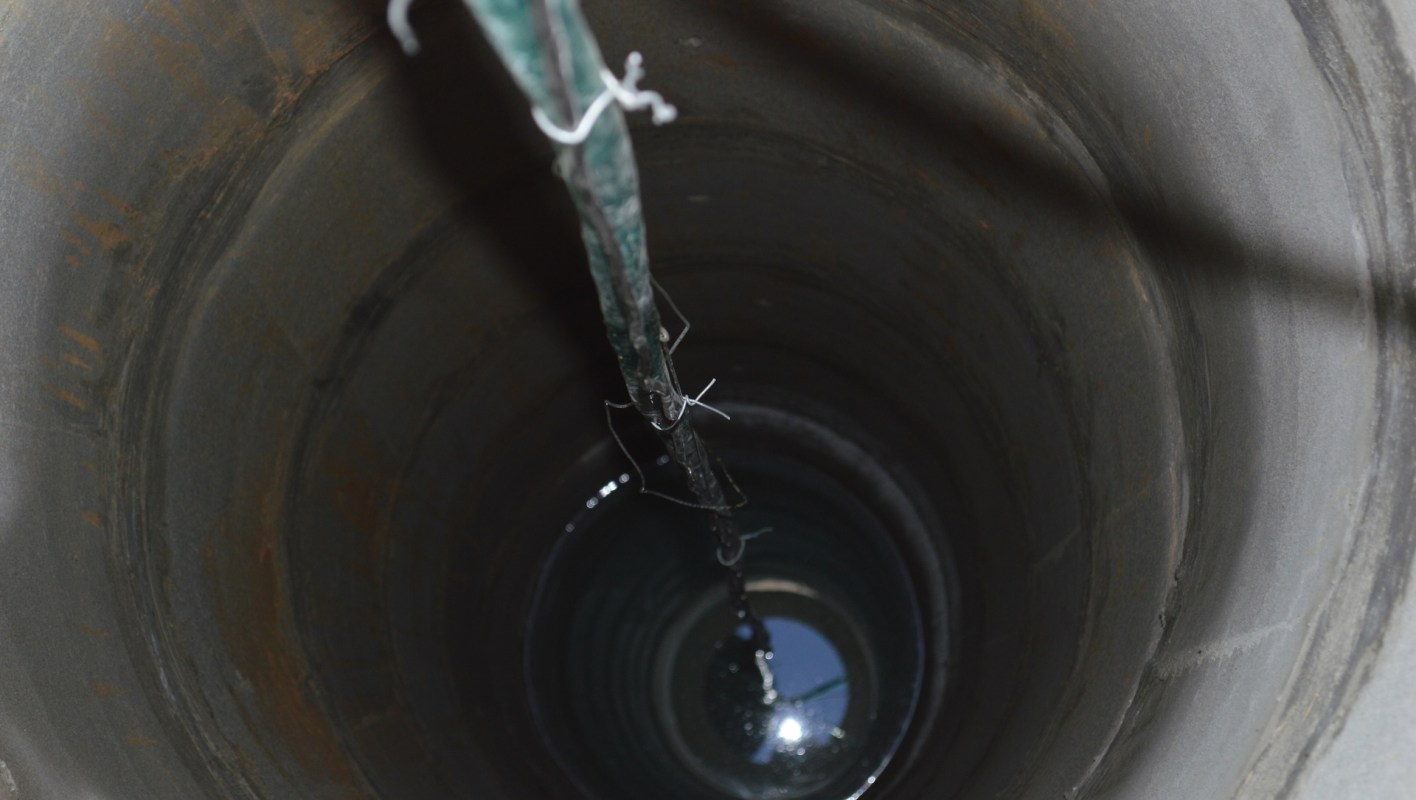
Residents in Bennington and Shaftsbury, Vermont, are taking several chemical manufacturers to federal court after years of concerns over contaminated drinking water.
In a proposed class-action case, the plaintiffs alleged that PFOA contaminants from prior industrial activity have damaged the health, property values, and everyday lives of people who rely on private wells, according to VTDigger.
Here's what to know
Residents who say PFOA got into their private wells are now pursuing a federal class action through their attorneys.
PFOA is part of the PFAS group of "forever chemicals," which are known to remain in water and soil for decades.
The defendants include Saint-Gobain Performance Plastics Corporation, 3M Company, E.I. Dupont De Nemours Company, and others.
The filing seeks more than $5 million in compensation and asks for a jury trial, medical monitoring, cleanup measures, and municipal water connections for affected properties.
TCD Picks » Quince Spotlight
💡These best-sellers from Quince deliver affordable, sustainable luxury for all




Eight local residents are listed in the complaint as class representatives, and the filing links the contamination to two former ChemFab plants in Bennington. Those facilities were owned by Saint-Gobain and operated from 1969 until 2002.
The lawsuit alleges that PFOA released during manufacturing contaminated soil and groundwater and reached private wells in and around both towns.
Attorney David F. Silver, of Barr, Sternberg, Moss, Silver & Munson, P.C., indicated that the new case extends beyond the area covered by an earlier lawsuit.
"The reason we're doing a second suit is because over time it's become clear that outside the original area of contamination that was the subject of the 2016 lawsuit, there was further contamination that increased over time," Silver explained.
State-coordinated testing is still underway, and the suit says roughly 25 wells in Shaftsbury and about 100 in southern Bennington have tested positive for PFOA since 2023.
More background
This marks the second class-action case concerning contamination in the Bennington area.
A previous federal lawsuit filed in 2016 ended in a 2022 settlement, and testing found additional affected wells in southeastern Shaftsbury and along several Bennington roads, including Rocky Lane, parts of Middle Pownal Road, stretches of South Stream Road, and areas near Coleville Road, Niles Road, and Fuller Road.
Used in industrial processes since the 1950s, PFAS chemicals are widely recognized for persisting in the environment rather than breaking down.
Some residents are relying on point-of-entry treatment systems for their water needs, while others are using bottled water.
The complaint also says residents have faced declining property values, nuisance damages, and potential health risks associated with exposure to PFOA.
Silver noted that the allegations unmasked years of irresponsible corporate conduct.
"And the science is very clear that Saint-Gobain's use of the PFOA in their process, and then burning it off in their smokestacks, and then letting that out into the atmosphere is what caused the PFOA to settle into the ground and eventually get its way into the groundwater and the soil."
What's being done?
The plaintiffs are asking the court for several remedies.
Those requests included municipal water connections for affected properties and cleanup steps intended to stop further pollution.
The lawsuit also seeks a court-supervised medical monitoring program for residents whose blood serum tests show elevated PFOA levels after at least 6 months of drinking contaminated well water.
Beyond the plant operator, the complaint also names the manufacturers of PFOA, arguing they have known for decades about the chemical's dangers.
"We brought this suit now because we want to get things rolling for the people that are dealing with the contamination," Silver said.
"And not only that, them and their families have been drinking this contaminated water for years, and it's a known carcinogen as well as [one] associated with other diseases."
Where can I learn more?
The Vermont lawsuit fits into a much larger fight over chemical pollution and who pays for the damage.
Communities in other places are also advancing PFAS-related claims, while cities and regulators are pursuing broader environmental accountability cases.
• In Dalton, Georgia, families alleged that catastrophic levels of toxic chemicals tainted water near major manufacturers.
• Baltimore officials maintained that major companies must be held accountable for mounting environmental damage from plastics.
• Across the U.S. and EU, regulators are confronting the ongoing impact of greenwashing in corporate environmental claims.
Cases like these often start with local contamination concerns and grow into bigger fights over cleanup, health risks, and corporate responsibility.
That helps put the Bennington- and Shaftsbury-area lawsuit in context and shows why it could matter beyond southern Vermont.

Get TCD's free newsletters for easy tips, smart advice, and a chance to earn $5,000 toward home upgrades. To see more stories like this one, change your Google preferences here.