


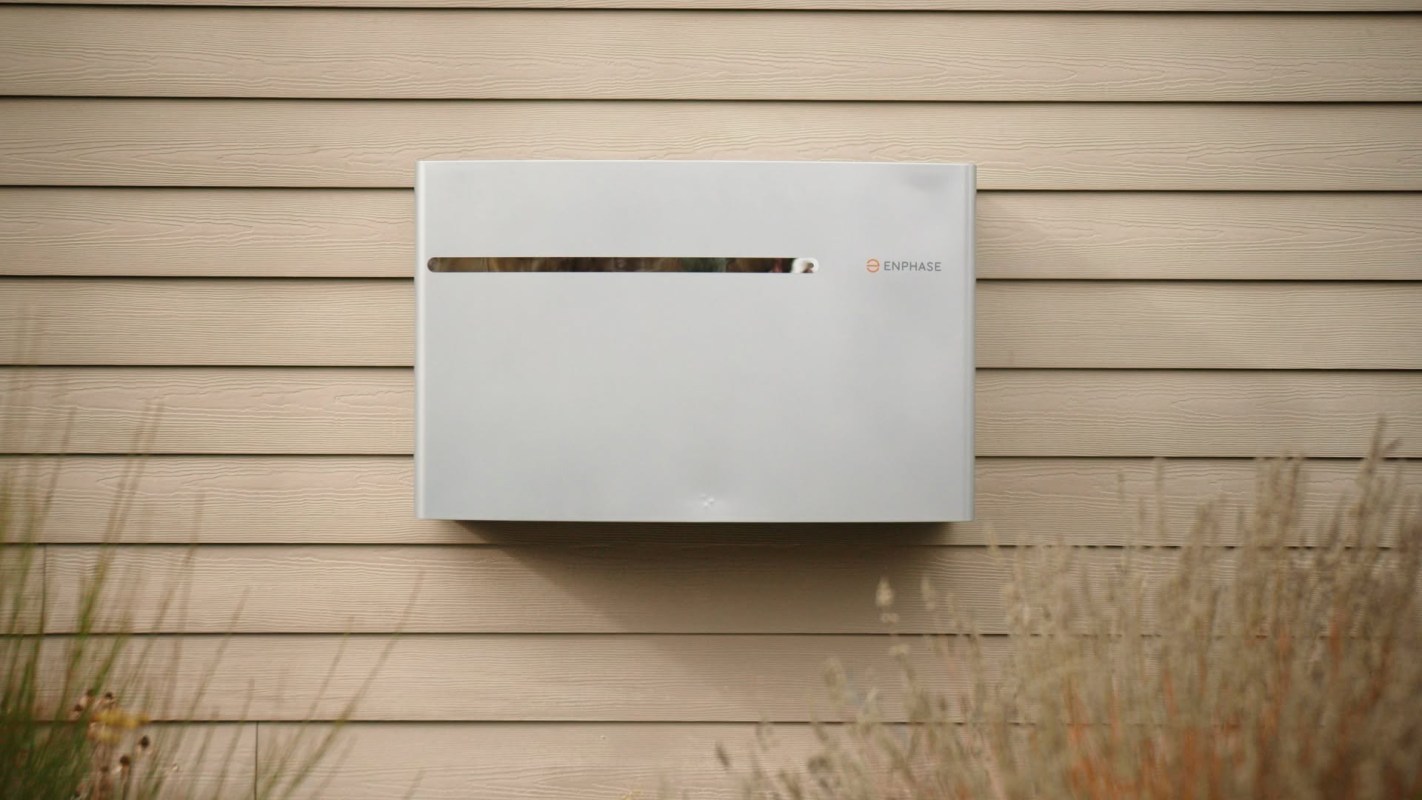
Across Vermont, more than 5,500 battery systems in ordinary homes are functioning as a shared energy resource, becoming the state's largest power source and helping residents keep electricity flowing when storms disrupt the grid.
Here's what to know
According to the BBC, the energy company Green Mountain Power is running a home energy storage program across Vermont to help residents create a "virtual power plant."
Participants in this Green Mountain Power program get two home batteries installed for $55 a month over a 10-year lease, giving homeowners a lower-cost backup option than generators.
Linked together, those battery systems form a virtual power plant that, as the BBC reported, can provide roughly 110 megawatts, enough to make it Vermont's biggest power source.
Unfortunately, one reason the program has drawn attention is because of Vermont's worsening run of severe weather and outages. As the state government explained, "climate change is fueling stronger, more persistent storms and the state's infrastructure is feeling the effects… the additional warming that scientists predict is coming will only make it worse, with the Northeast US among the regions vulnerable to heavier rains."
This VPP system is built to do two things at once: preserve backup power for homeowners during blackouts and give the utility access to that battery network when the larger grid needs support. Plus, as the company explained to the BBC, the VPP program is already saving its customers $11 million a year.
Green Mountain Power began piloting the program in 2017 and uses it in place of highly polluting peaker plants that run only when demand surges.
Virtual power plants are expanding beyond Vermont. As the BBC reported, citing an internal analysis by Wood Mackenzie, the U.S. has more than 40 gigawatts of virtual power plant capacity, and a 2025 US Department of Energy report said that figure could reach 160 gigawatts by 2030, around 20% of the country's expected peak energy demand.
Save $10,000 on solar panels without even sharing your phone number Want to go solar but not sure who to trust? EnergySage has your back with free and transparent quotes from fully vetted providers in your area. To get started, just answer a few questions about your home — no phone number required. Within a day or two, EnergySage will email you the best options for your needs, and their expert advisers can help you compare quotes and pick a winner. Solar panels can save you more than $50k over their 25-year lifespan, and EnergySage can help you save as much as $10k on installation. Which begs the question — isn't that worth an email or two? |

Serving more than 75% of Vermont, Green Mountain Power says it wants energy storage to be available to any of its nearly 300,000 customers who want it. The utility is aiming to fully eliminate outages by 2030 and plans to more than double the size of the virtual power plant by 2034, per BBC.
More background
As demonstrated by this Green Mountain Power program, adding battery storage is one of the best ways to protect your home during outages, save money on energy, and move closer to going off-grid, especially when it's paired with rooftop solar. Homeowners exploring the option can use EnergySage to compare home battery storage options and get competitive installation estimates.
EnergySage has also teamed up with the electrification brand Qmerit to guarantee you get the best price on home battery storage solutions. For a lower-cost backup option, Pila also offers excellent battery systems, and its plug-and-play batteries are priced at a fraction of what a whole-home backup system would cost.
Where can I learn more?
Vermont's battery network is one example of how virtual power plants are spreading through homes and other distributed energy resources.
• In California, homeowners joined a fast-growing virtual power plant that cuts bills and steadies demand.
• In Canada, utilities and residents are building a massive residential battery network at remarkable speed.
• Sonnen is turning homes into a neighborhood-scale virtual power plant that shares backup energy.

Get TCD's free newsletters for easy tips, smart advice, and a chance to earn $5,000 toward home upgrades. To see more stories like this one, change your Google preferences here.






